Trakai, Lithuania
Leaving Russia wasn’t too painful – in fact, it wasn’t painful at all! However, let’s talk Border crossings…Ivangorod is the town on the Russian side of the border and it looks like it’s an old town, i.e. pre-dating the Soviet era. As a result, the roads are twisting and narrow-ish, which is not a good combination for trucks, buses, mobile homes & caravans who are wanting to cross the border. Streets that are barely big enough for two vehicles are suddenly inundated with Russian creating lanes that don’t exist! Anyway, it took us about an hour-and-a-half to get through the Russian side of the border and then we sat in No-Man’s Land for about 30 minutes or so. When we finally got to the Estonian side of the border, they were confused by the Queensland Registration papers. They seemed to expect more! We had a duplicate of our Registration paper (provided by Qld Transport) which looks like a photocopy of our Rego papers, but with no hole where the Rego sticker used to be, and there was nothing on the back of the form. Several Estonian Customs officers looked at the paper, turned it over to look at the other side, and then back at the front. Then they would confer with each other. We were told to park our car out of the queue and to wait in the car whilst they checked our papers. We were confused as to who they would check with – but we waited, and eventually, they came back and cleared us to enter the EU. Total time was just short of 3 hours.
So we headed to our accommodation – we had booked a few nights at a caravan park on the north coast in the Lahemaa National Park. The GPS couldn’t recognise the address – or maybe we just didn’t know how to enter Estonian addresses, but as we had the coordinates, we were able to use them to find the Park. The drive from the Border to Võsu took about two hours and included a road-side stop for some lunch, but the scenery was soooo pretty. Lots of pine and birch trees, well-maintained roads, even the road-side verges had been mown & whipper-snipped to within an inch of their lives! The villages that we drove through were clean and tidy, with the houses in well-maintained condition. The Estonians were really putting the Russians to shame! When we arrived at Lepispea, our Caravan Park, the manageress spoke very good English and was chuffed to have Australian guests – she told us that we were the first Australians who had stayed at the Caravan Park! She had information printed out in English about things to see in the area, walks in the National Park or Cycle paths – all in English!! Even the Caravan Park was a big improvement on the Russian parks we had seen (2) – more than one shower & toilet for the guests to use, staff who spoke English, information about activities or public transport. Yes, we had decided to stay there for 4 nights and we would catch the bus into Tallinn when we were ready to explore the capital.
But on our first full day in Estonia, we went to a nearby village which is called Käsmu, or as it is known locally, as “The Captain’s Village”. Apparently, from 1884 to 1931, the Estonian Maritime School was located in the village, and from over 1000 students, 94 graduated as Ship’s Captains. If anyone ever finds themselves in Estonia, we can definitely recommend a visit to Käsmu – it is beautiful and the best word to describe is a dutch word – “gezellig”, which describes how you feel when everything just meshes together perfectly – setting, scenery, weather, whatever! We walked around, we had a picnic lunch, visited a local Maritime Museum, browsed in a Handicraft shop and generally had a great day.
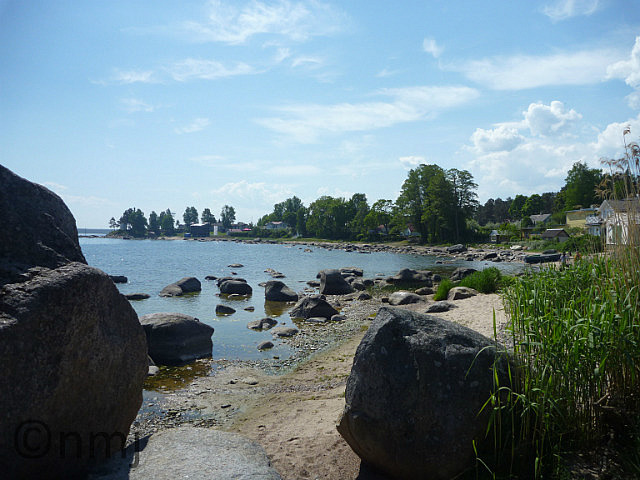
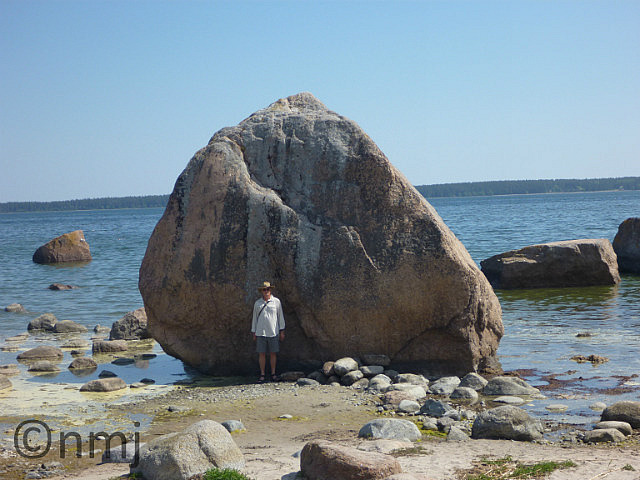
And, no, I didn’t get the name wrong – Estonia is very proud of it’s Eratic Rocks!
Back at the Caravan Park, we were getting to know our neighbours – there were Germans, French, Dutch, Finns plus a few Russians. Doing a circumnavigation of the Baltic Sea is very popular with western Europeans. We had lots of opportunities to chat with the Germans, French & Dutch – and generally, they were all amazed that we had driven from Vladivostok, that we had brought our car from Australia and that we were planning such a long trip, but without exception, they were all lovely people.
I think that Nick will always regard Estonia as a high-spot on our journey – because of the beauty of the country but also because he got to visit two Maritime Museums! Aren’t I good to him?
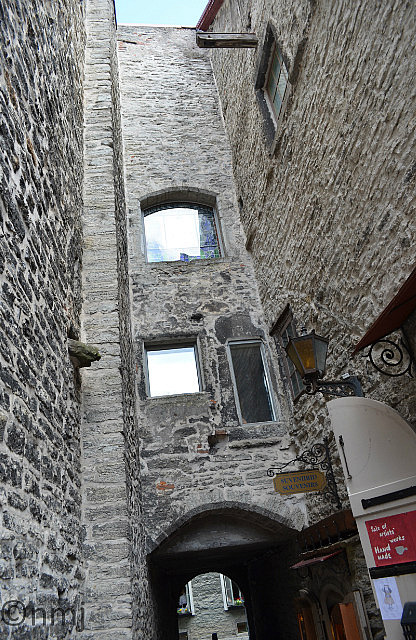
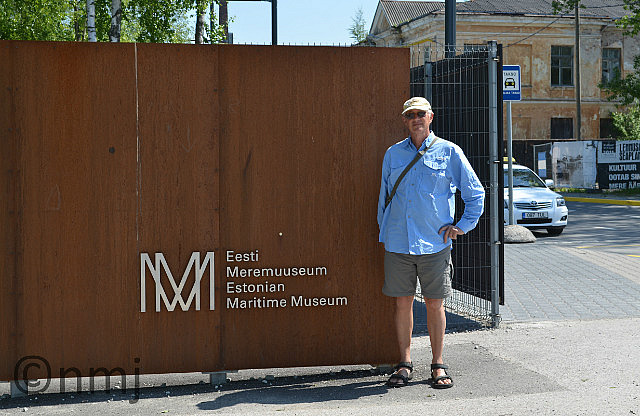
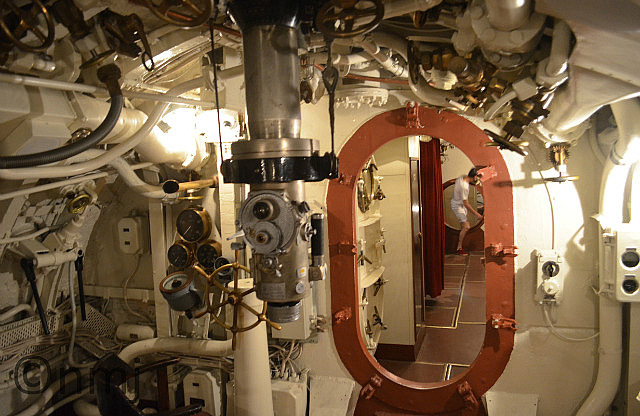
Apparently Tallinn holds a few medieval town records – and that is despite have been bombed a bit by both the Germans and the Soviets. Though I must admit I had to smile at one description in the Museum of Occupation when they talked about an area that was bombed by the Soviets, however the Soviets continued to deny every dropping any bombs over Estonia! Did you notice that oblique comment earlier to two Maritime Museums? Yes, on our third day in Estonia, we drove into Tallinn and Nick visited the Maritime Museum that is located in the Seaplane Hangers, not the one in Fat Margaret (stop laughing – the display section of the Maritime Museum is in one of the original town wall towers, which is called “Fat Margaret”). The ex-Seaplane Hangers are a series of concrete bubbles which were built in 1917 and were going to be called the Tsar Nicholas Seaplane Base, but that little Revolution meant that the hangers were never put into use. Anyway, they make a great space for the display of mines, buoys, planes, submarines, naval guns as well as a myriad of other seafaring gumpf.
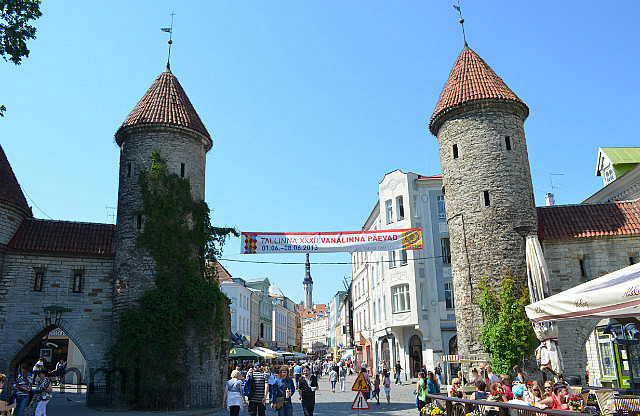
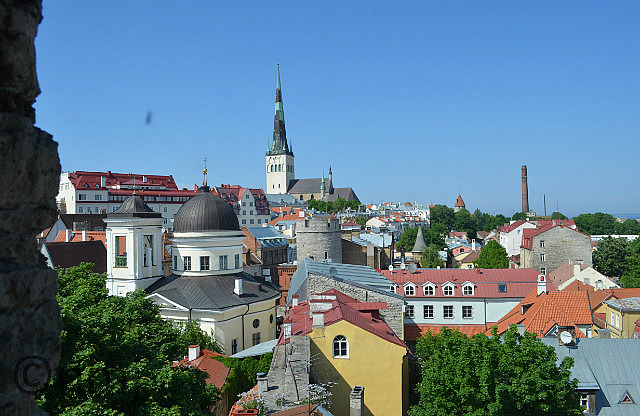
Sadly, after relaxing and enjoying Estonia, it was time to move one, so next stop was Riga which is the capital of Latvia. The drive wasn’t far but the worst thing was that our caravan park was on the south side of the river which meant that we had to drive through Friday afternoon traffic to get through the city! Talk about not being a happy camper – that would be Nick, not me!!
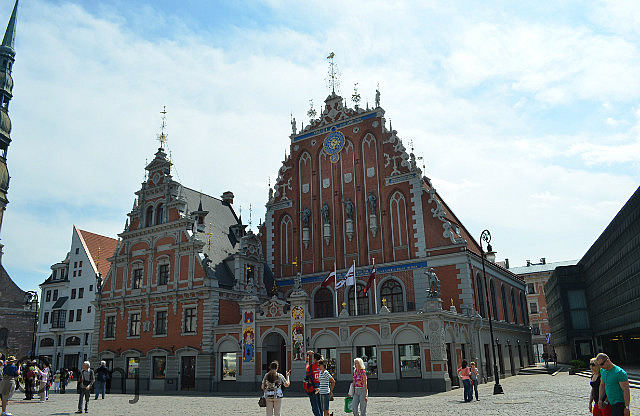
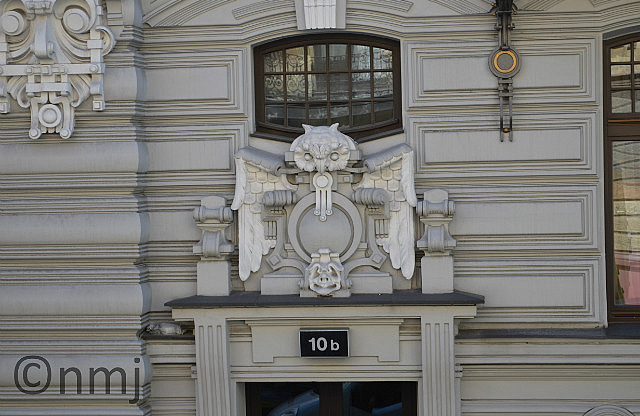
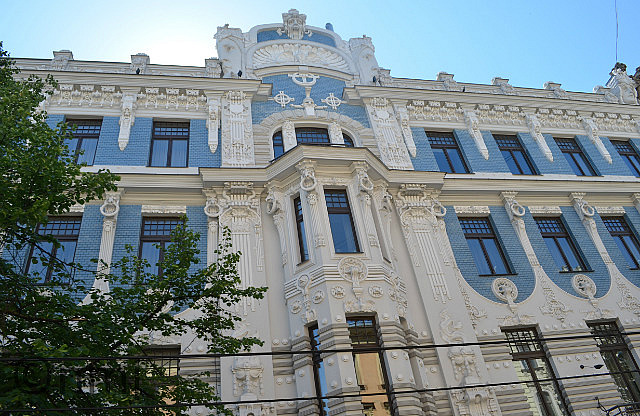
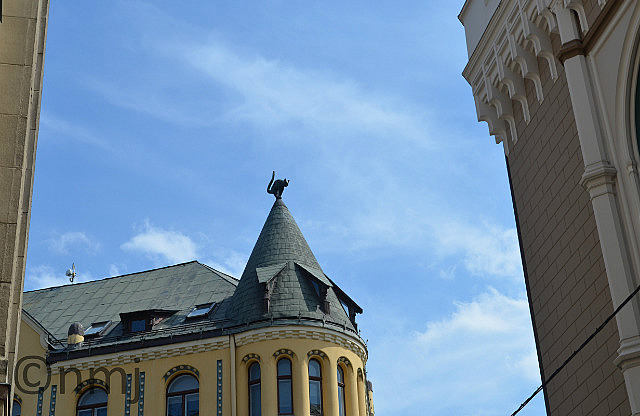
Whilst we were on the outskirts of Riga, we were near a BIG shopping centre. We reckon that it was the biggest shopping centre we had seen since leaving Australia. So we did a bit of retail exploration before heading into Riga. Now apparently Riga is renowned for its Art Nouveau architecture which either managed to survive the war or if it didn’t has been lovingly reconstructed. We saw the Blackheads House. We had heard of the Blackheads in Estonia, but thought that it was just an ad for Clearasil! But apparently, this was a highly respected guild that was named “The Blackheads” because of the patron saint of this Guild was a Moor. Anyway, they say that the Blackheads actually initiated the use of the Christmas Tree for Christmas. The first time they put a tree up in front of their Guild Hall in Riga, they decorated it and then burnt the tree down after just one night! Obviously things have been refined slightly since then!
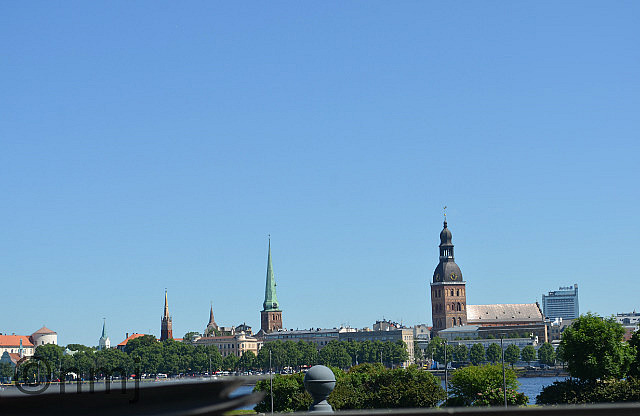
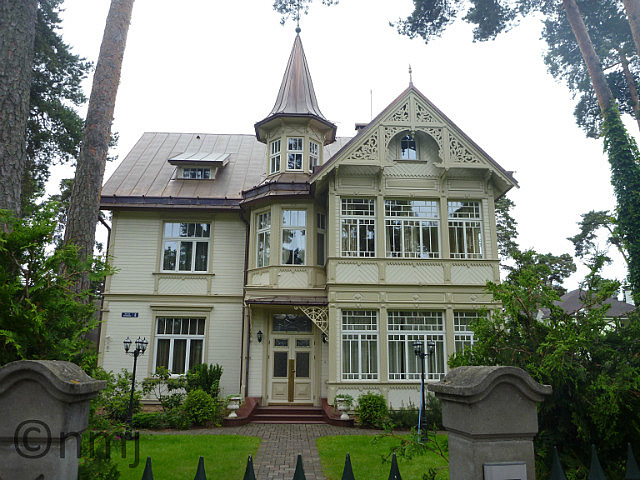
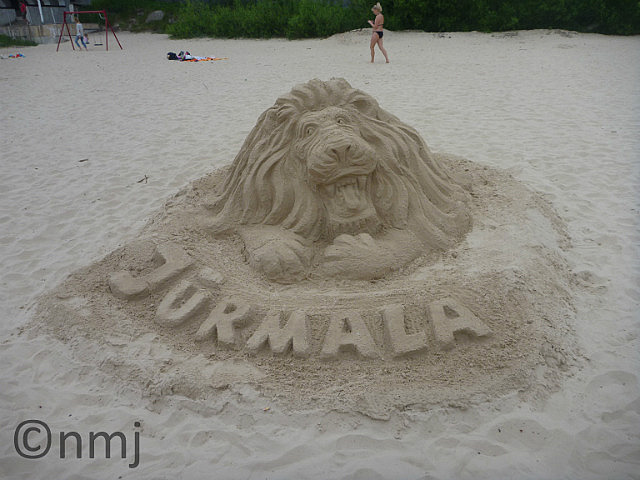
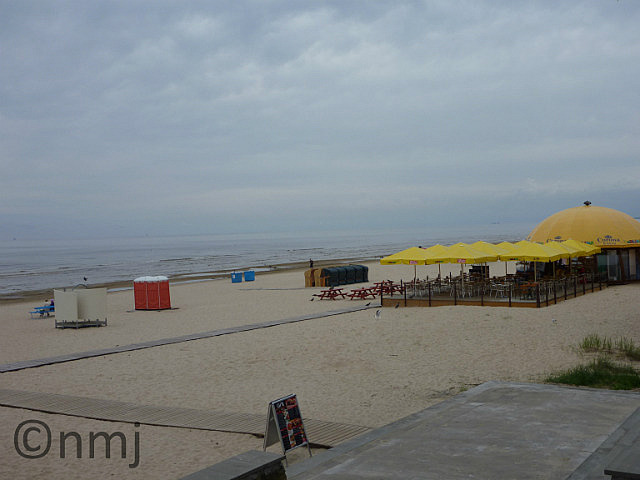
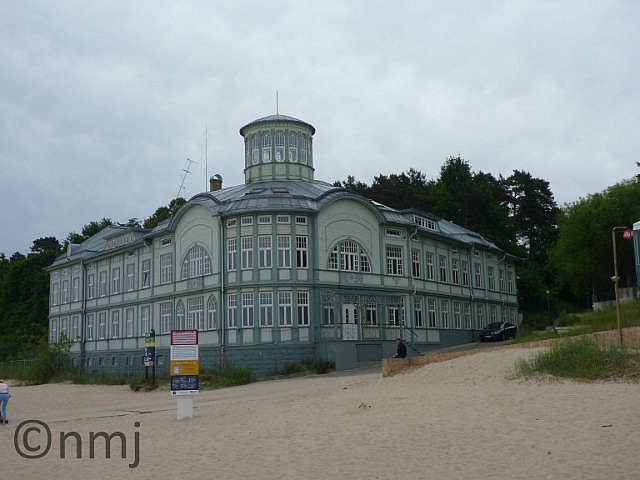
After exploring Riga over two days, we decided to go to the seaside for the day and after five days or so of gloriously sunny weather, we thought “Great, we can go swimming in the Baltic”! That particular Monday turned out to be a cloudy and cold day, so whilst we explored Jurmala and visited the Baltic Sea to walk along the beach, we didn’t venture into the water!
And so we headed for Lithuania, our third Baltic State. Once again, we have managed to find a campground via Eurocamping, which is a Dutch (or German) on-line Camping Club that has information about 100s of campsites across Europe. After staying at a campground in Riga, we opted for a campground outside the capital, Vilnius, and picked a place called Trakai for our base. Lithuania has lots of lakes and our campground is by a beautifully clear and very large lake called Galve Lake and there is a castle and ruins, all within about 5 kms. But we also discovered something called the Geographic Centre of Europe (as calculated by the French, so I can’t vouch for its accuracy), but Nick has said that is definitely on our list of places to explore. So many exploring opportunities!

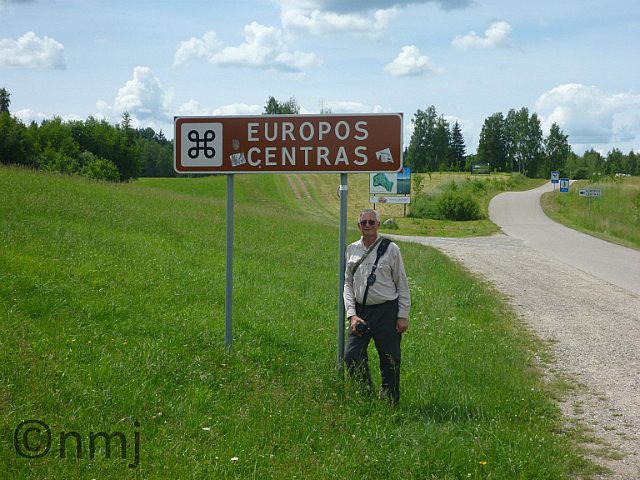
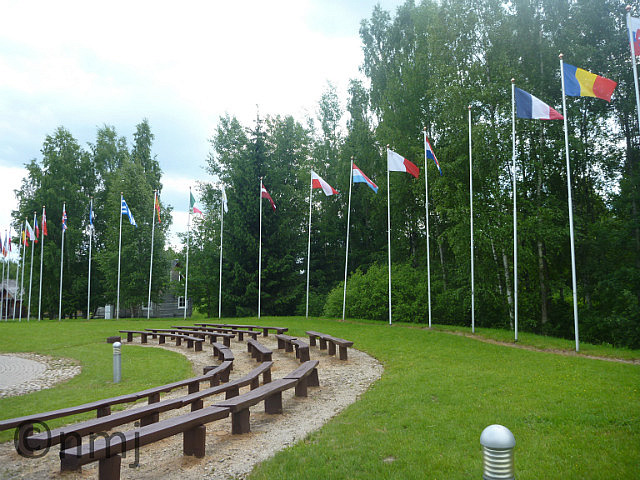
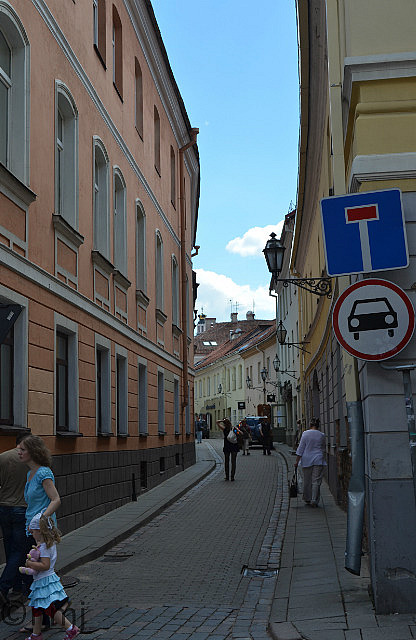
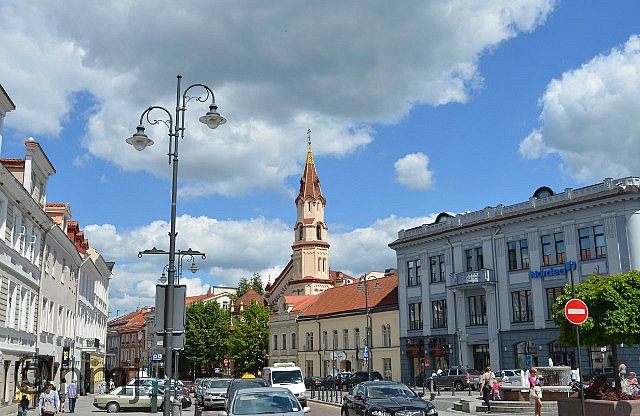
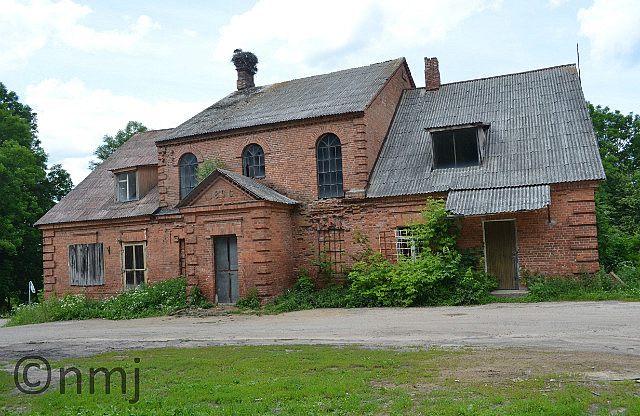
By the time we got into Vilnius, we were starting to get a bit over old towns, buildings, city walls, etc. We have to admit that Tallinn wins the race when it comes to the number of medieval buildings, etc that are in original condition. Sadly, Vilnius either suffered more destruction during the 20th Century or “progress” has come to town, but the city doesn’t inspire a sense of awe and amazement, at least not like Tallinn. Having said that, we did manage to find a few gems and I think we were more aware of damage to buildings from the War than in any other city so far. We also went exploring in the car and found the Geographic Centre of Europe (photos attached to blog), but we also really enjoyed the finding and the drive to the Monument. It is located outside Vilnius on a back road which means that you drive through lots of little villages. In a few places, we noticed decorative concrete storks on tall posts, but then we were totally stoked when we saw an old barn with a HUGE stork’s nest on it, and Mumma Stork was in the nest with two little nestlings. Vilnius might not have scored high on interest and beauty stakes, but the region around Vilnius is certainly really beautiful and very picturesque.

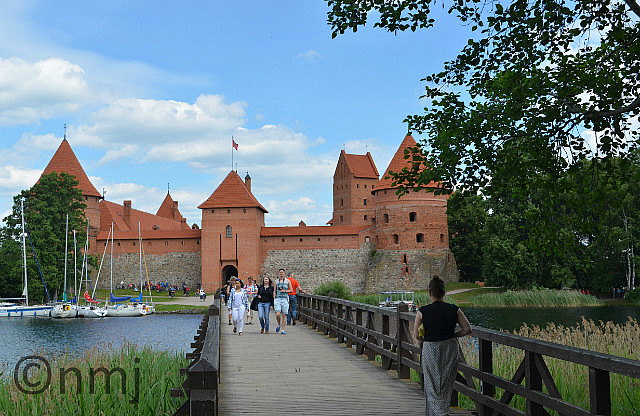
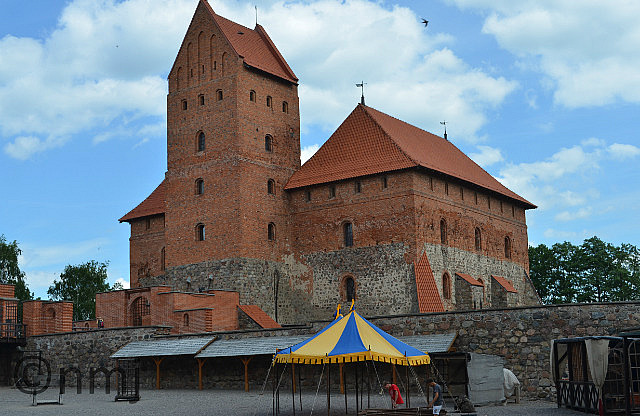
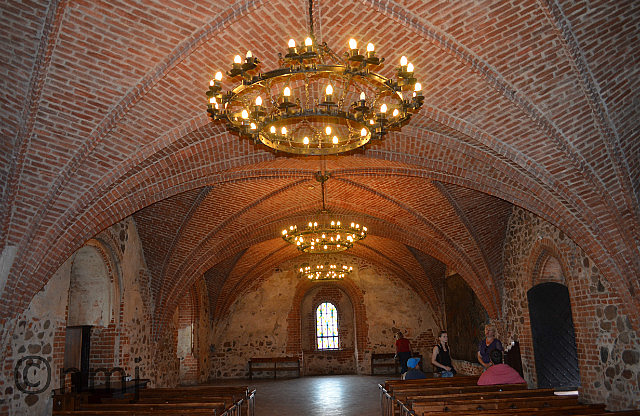
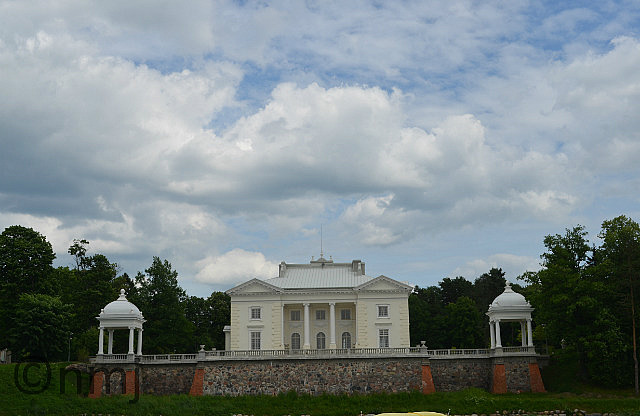
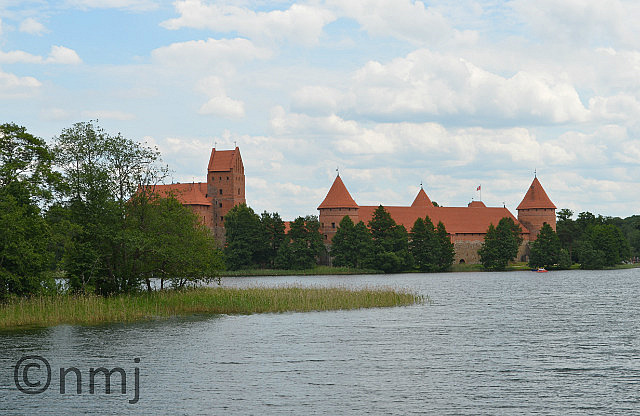
And for our last day in Lithuania, we did some exploring in the local Trakai area. Apparently, this area used to be very big, in the 14th Century and as a result, there is a whacking great castle that has been restored in the local town. Now, because the town is on a lakeshore, the castle is actually built on a “peninsula island”, which means that it looks like it’s on an island, and you have to cross a bridge to get to it, but it is really connected to the mainland. Anyway, it was interesting to walk around, and challenge to stay ahead of the tours with their pushy tour guides and we finished the visit off with a cruise on the lake – that is when we realised just how big the lake was! HUGE! But we had a great day and it was a good way to finish off our visit to the Baltic States.


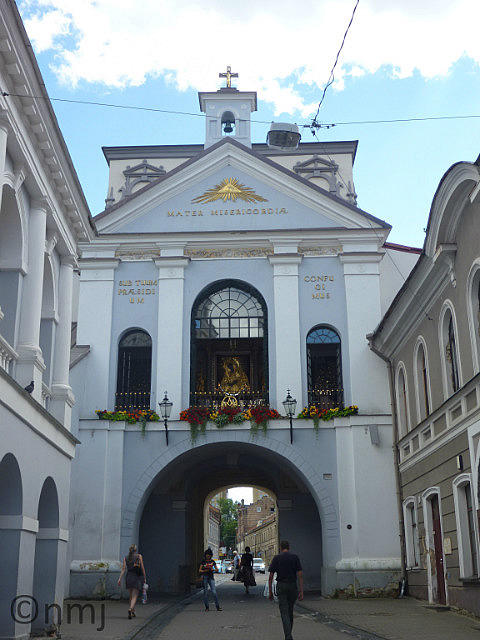
There used to be 5 gates but this is the only one left.
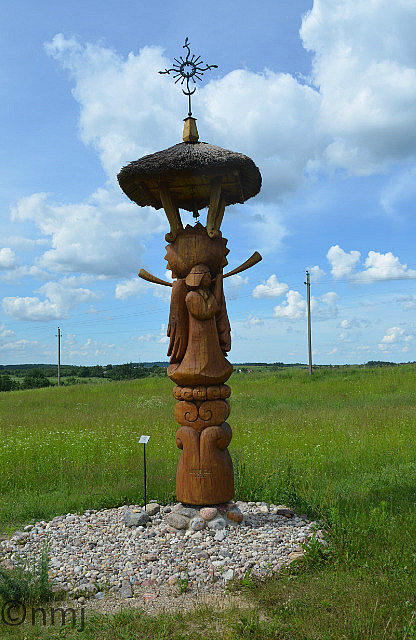
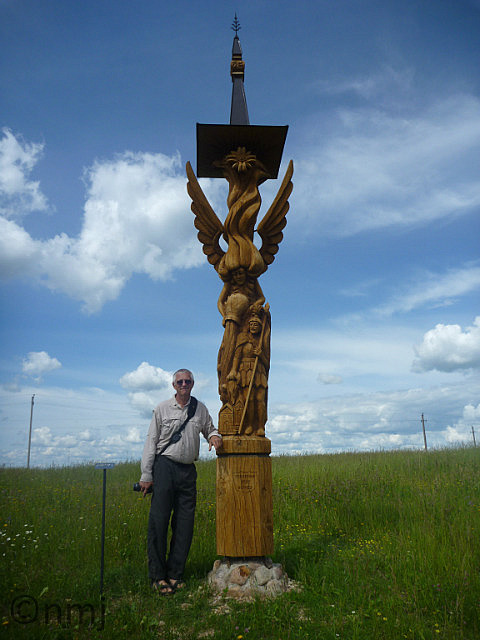
This Angel was funded by the Firemen of Lithuania (sic).
 Nick & MJ On The Road
Leave a comment