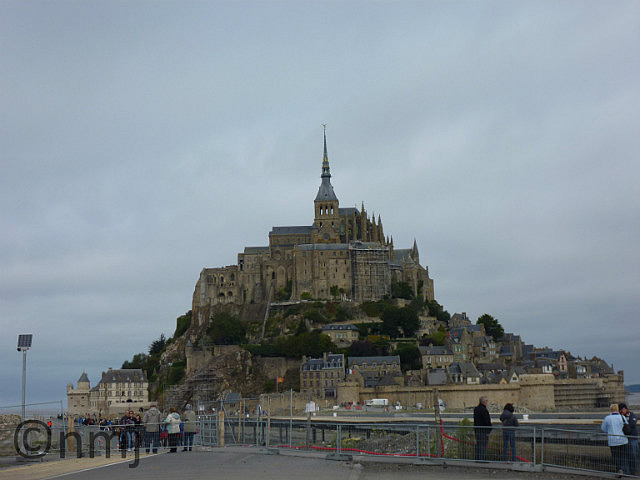
Mont-Saint-Michel, France
When we left Germany and began our “real” travels, we decided to drive down towards Luxembourg – that way, we could add another country name to the back window, and well, we hadn’t been there before. What can I say?? We were not impressed with Luxembourg! Though, admittedly, it wasn’t Luxembourg’s fault. It is very hilly around that area of Europe and we discovered (on a STEEP downhill section) that suddenly our brakes were not very effective! We were driving down a steep hill towards a T-intersection and I told Nick that he had to turn left, but he turned right! “Left”, I said and he said, “I had to turn right because I ran out of brakes”!
We finally reached a campground, after a rather hairy drive and the fact that we had made the discovery that there are lots of hills in Luxembourg. The campground was called “Fuusskaul” and we decided that we would stay there for a couple of nights, so that we could recover from the rather tense drive. Across the road from this campground was a camping store (surprise!) and a place where you could buy a campervan, just in case you hadn’t brought one with you! We discovered that campervans are quite cheap in Luxembourg. We saw some that were for sale for about €49.000, which converts to about $A70,000 and if you were buying these campervans in Australia, then they would be over $A100,000! It was so tempting to ditch the car and tent, but practicalities stood their ground and we continued on our way.
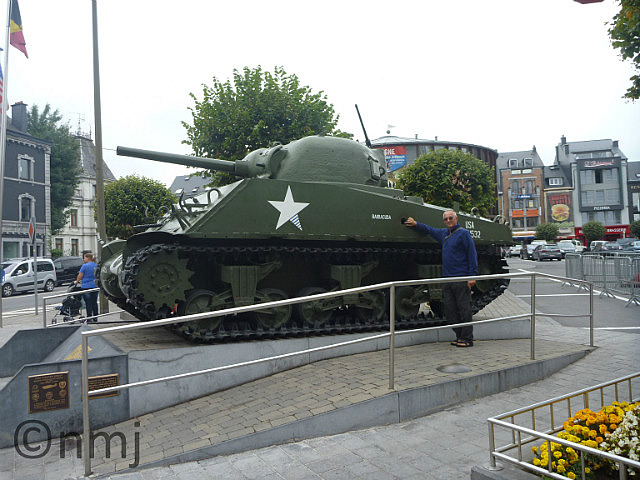
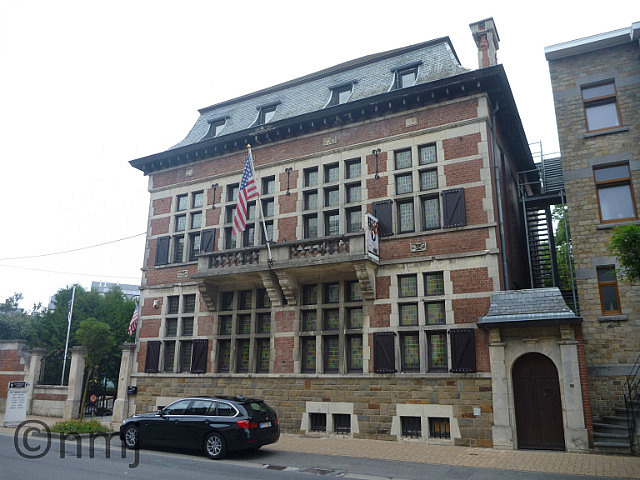
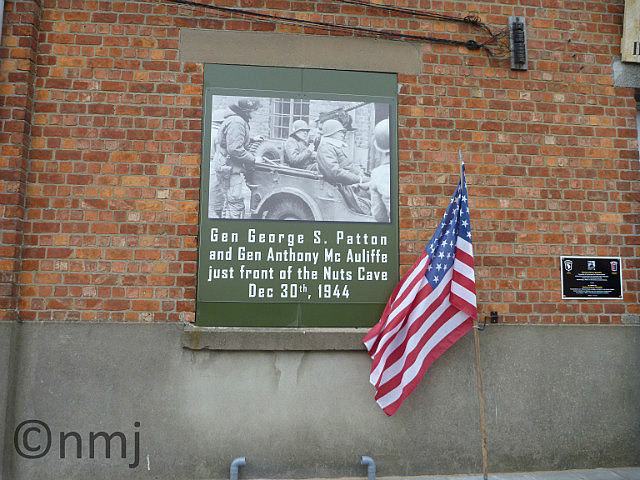
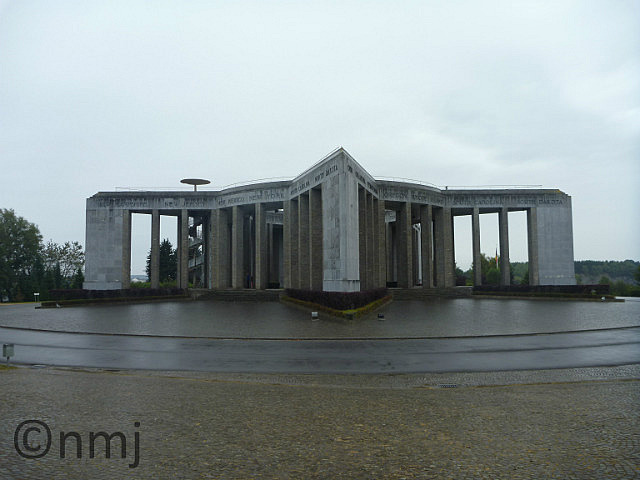
We were only down the road from Bastogne (back in Belgium), so we headed up there for the day and had planned on finding a campground in the area. Well, firstly, I have to say that Bastogne was well worth a visit. It was a big spot during WW2 (think Battle of the Bulge) and the 101st Airborne are commemorated everywhere. So, of course, we had to go the the Airborne Museum and the Airborne Memorial, but the big find was a museum called the Bastogne Barracks. There are actually military barracks (Belgian Army) and they were the headquarters during the Battle of the Bulge. It was the place where General McAuliffe said “NUTS” in response to the German invitation to surrender during the Battle of the Bulge (the Yanks weren’t doing so well at the time). The guide was a military person, who is also a volunteer guide and their enthusiasm for the Museum is quite apparent. It was really interesting, it was in English and it was FREE! A definite must-visit if you are in the area.

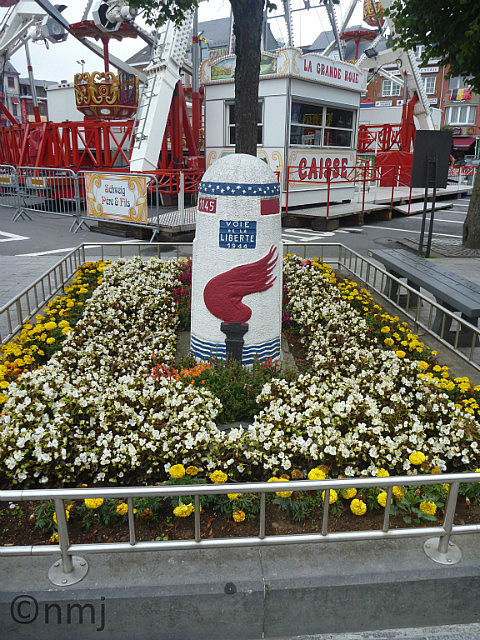
This marks the end of Patton’s drive from Normandy to Belgium.
After a great day in Bastogne (despite the rain), we started looking for a campground, but had no luck. So, finally we found a hotel (it was cold, wet & dark and Nick was tired) and we stopped, got a room and had a nice meal in the local brasserie.
And now it was time for France! We by-passed Reims, Epernay and the Champagne region (sorry Diane Sinden), but we did find that at lunchtime, we were near Compiegne which is the site of the signature of the Armistice (German surrender) which ended the First World War. It was also the site of the French surrender in WW2. Hitler had the railway carriage brought back and placed in the clearing for the French surrender, after which it was transported to Germany and burnt! And who said he was a sore loser?
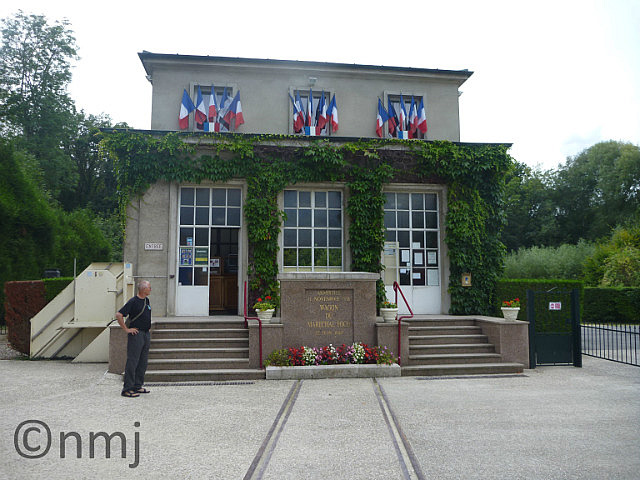
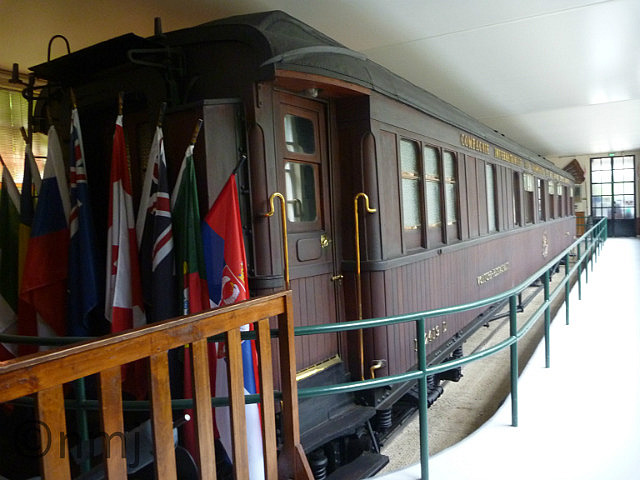
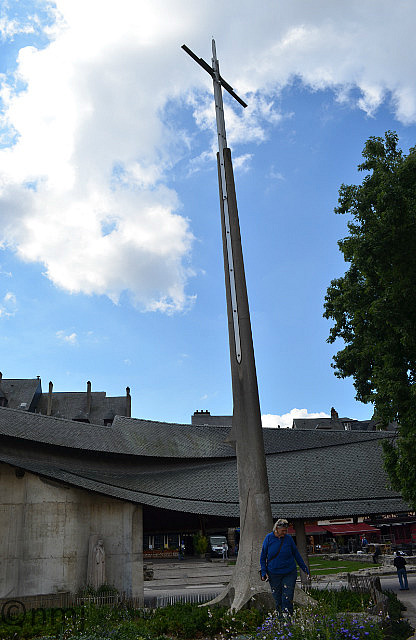
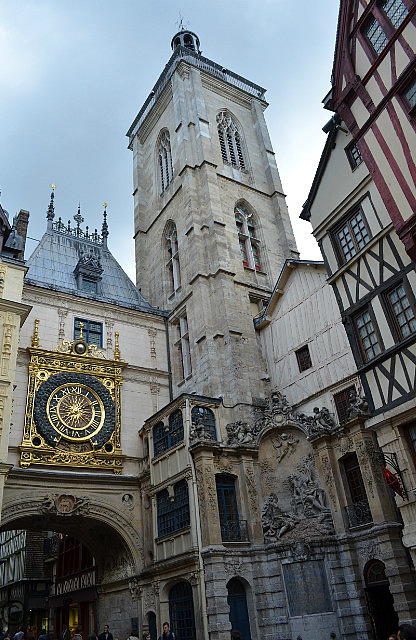
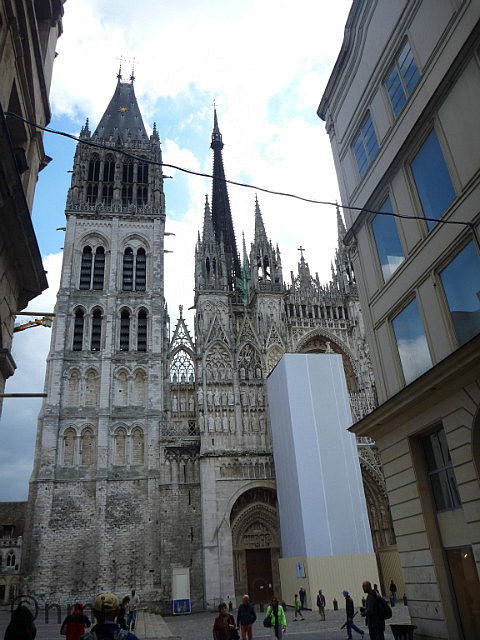
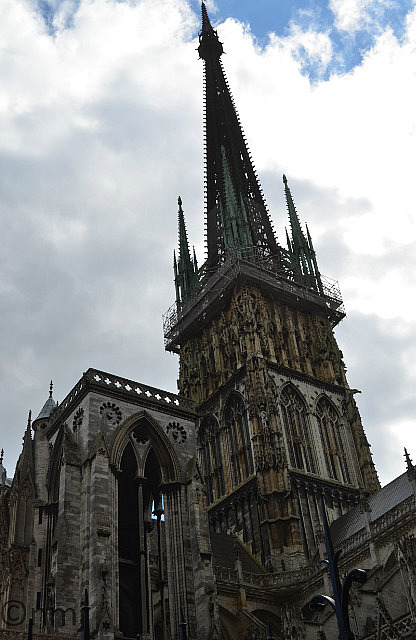
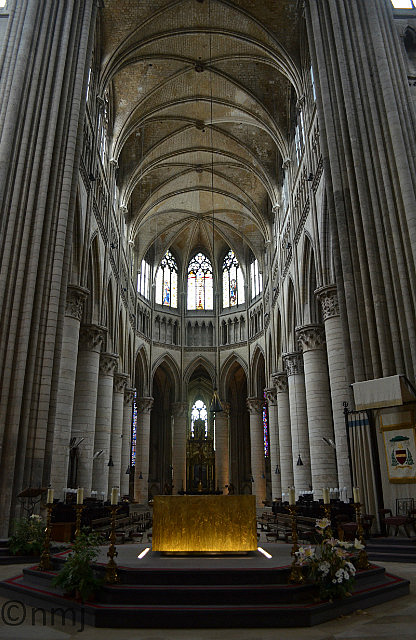
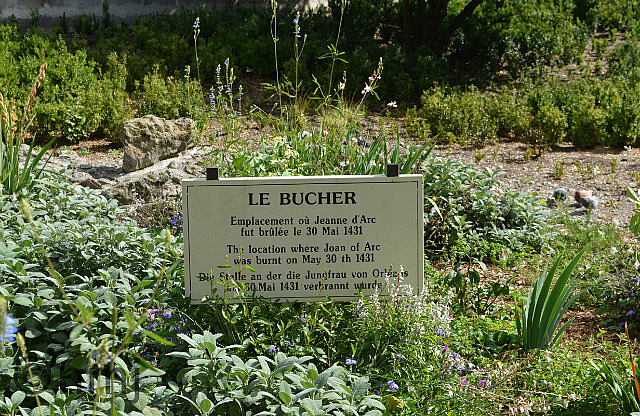
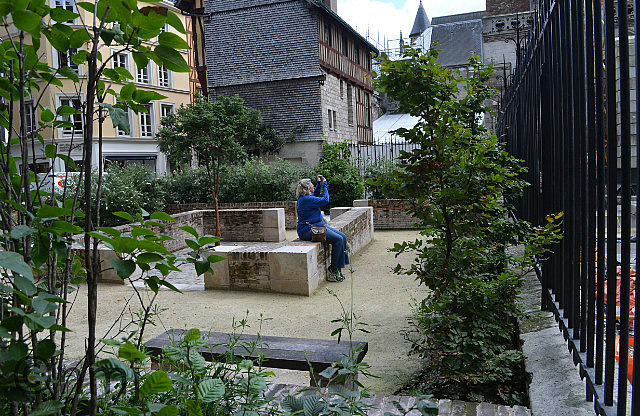
After this short stop, we continued past Amiens and headed just south of Rouen to a place called Bec-Le-Hellouin and stayed at a little campground here. We had a bottle of the local Normandy Apple Cider and explored around the town before heading into Rouen for a day. Of course, we had to visit the spot where St Joan of Arc was burned (ugly modern church near the site) and visited the Cathedral and walked around the old town (after buying my French SIM card). We were amazed at how much of the old part of Rouen appeared to have been untouched by the War. But we had a great day exploring – once we finished coping with the vagaries of French trains, which didn’t stop at the local train station, and when we went to the further town, we discovered that the trains were running on a 25% of the timetable due to track works! Bloody French!!
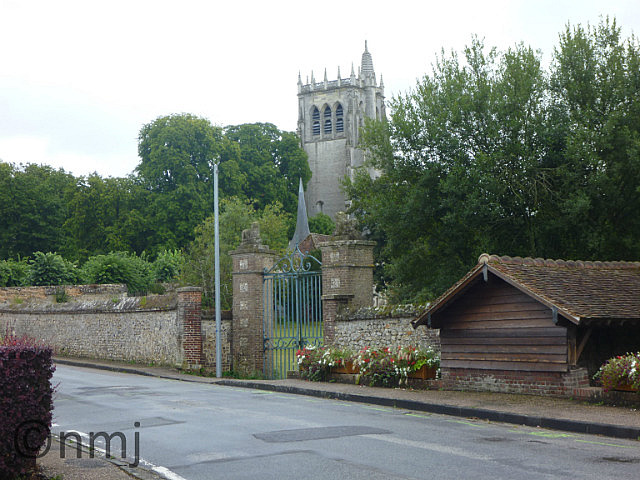
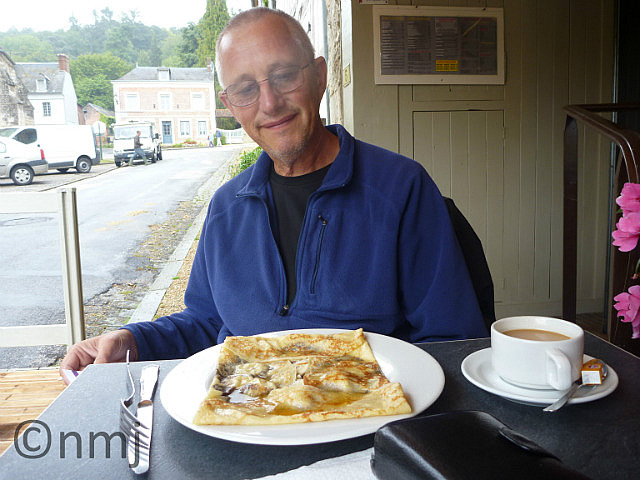
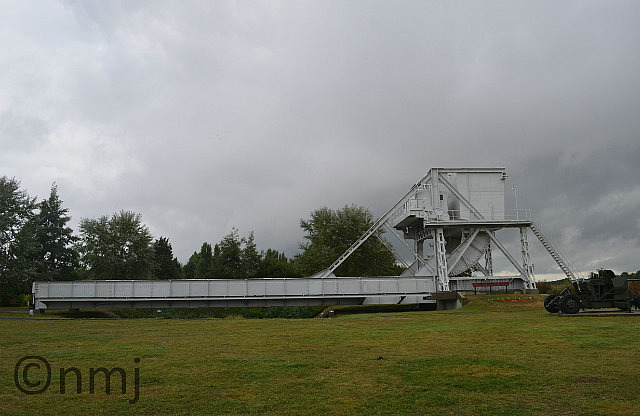
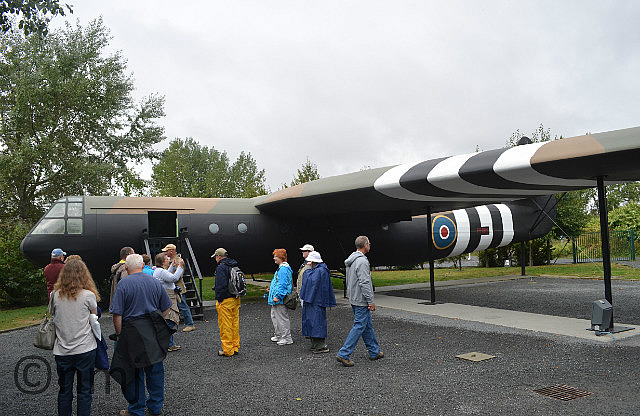
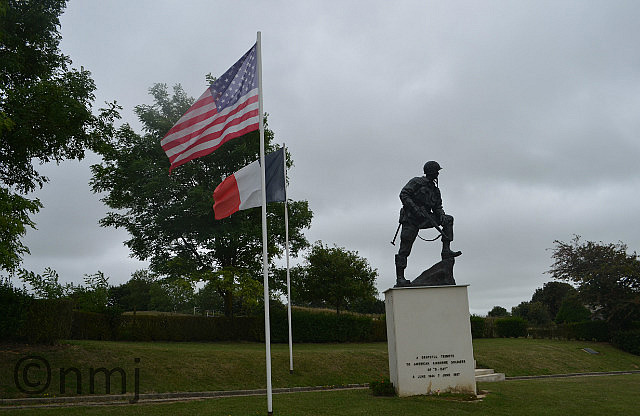
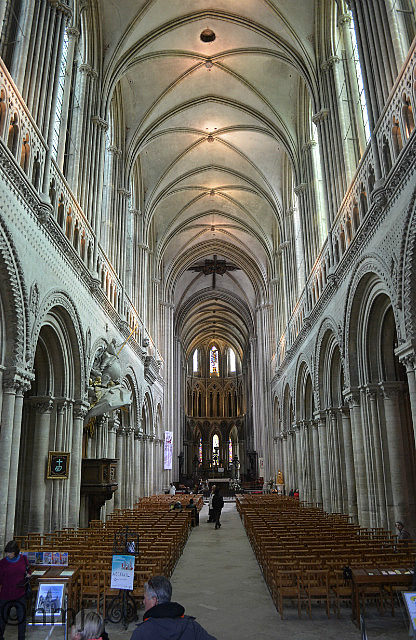
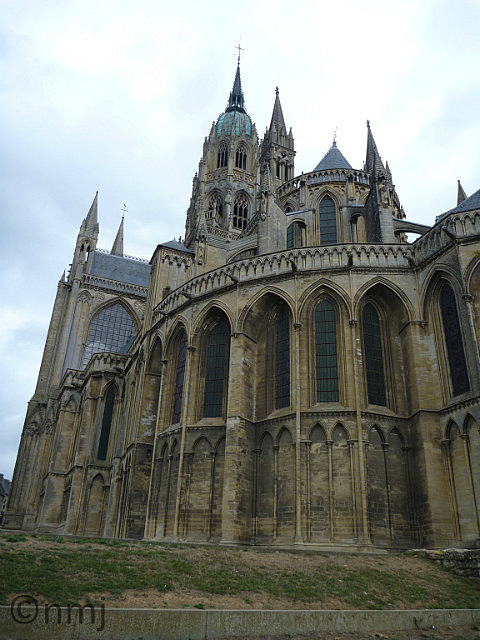
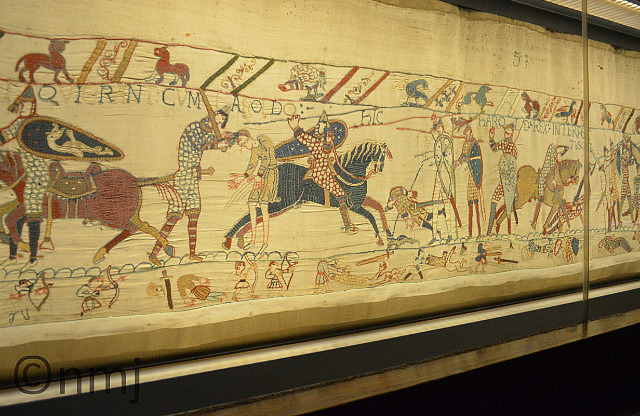
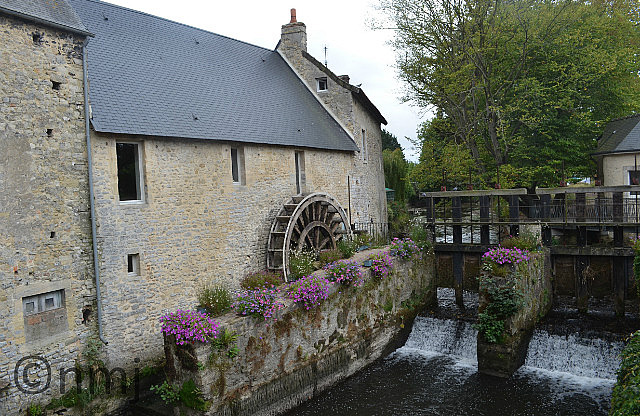
The only downside to the few days in Haut-Normandie, was it started to rain. And the rain continued when we drove to Bas-Normandie. In fact, when we were on the way to the campground, I happened to look at the Weather App on my phone and it was showing 7 days of rain! So it was easy to convince Nick that we should rent a cabin or on-site van, if they had one available. So we did but that meant that we stayed in that part of Normandy for 7 nights. We had a great time exploring the D-Day beaches and Nick got to overdose of D-Day museums and memorials, so in-between, we managed to visit a few William-the-Conqueror places, such as the Bayeux Tapestry. This is also well worth a visit – it is the most amazing piece of needlework and it is over 900 years old! Thankfully, it is now well-presented to minimise further deterioration and allows you to get a good look at the entire piece.
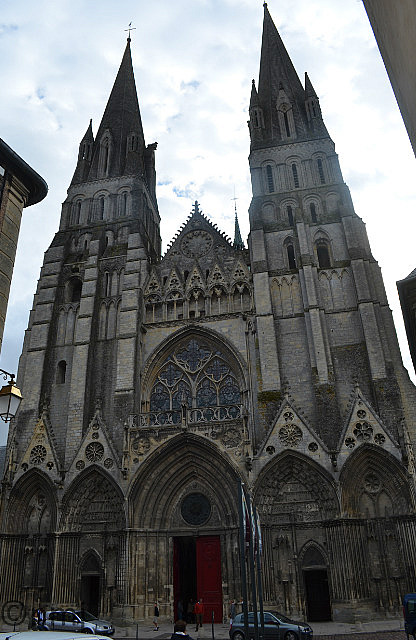
One night, whilst in this part of Normandy, we watched “The Longest Day”, which I had never seen and I have to say that it gave me a whole different perspective when visiting various beaches and towns. Nick visited the American Cemetery at Omaha Beach and said that he saw the grave of Henry Fonda, oops I mean the grave of General Roosevelt, which was the character portrayed by Henry Fonda in the film.

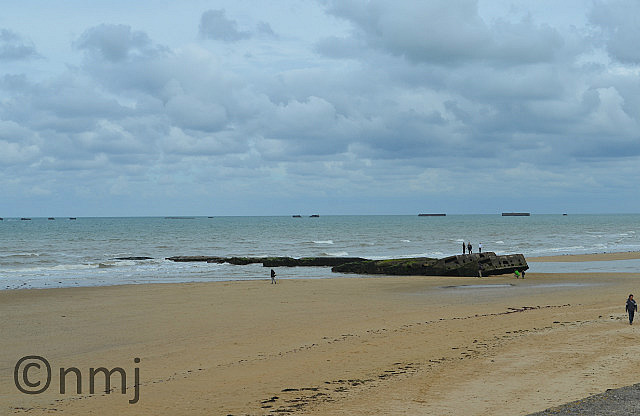
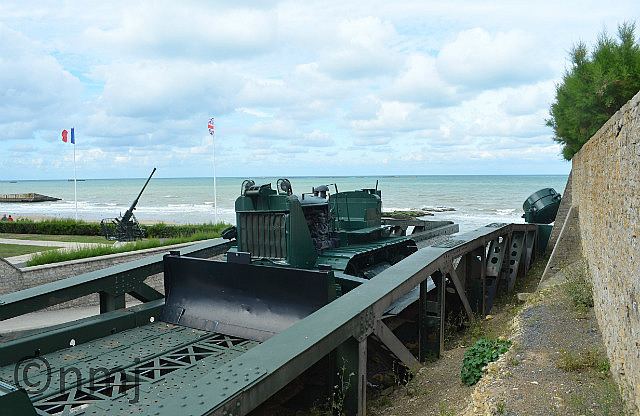
Part of the artificial harbour for the D-Day Landings.
Another thing that we have discovered in this part of France was the fact that French do not do bikeways! Nor are the roads conducive to riding a bike on the side of the road. Their roads don’t have shoulders and in farm areas and villages, the buildings go right to the road (which are very narrow) and French drivers don’t slow down at all, so it is rather scary trying to ride your bicycles around. After visiting a number of different places, we also had to do a mental apology to our son Tyson. When he was in the UK in 2011, he visited the Normandy area and stayed in Carentan. One of his complaints was that he had to walk everywhere because there was no public transport. Having now visited that area, we appreciate that you really do need your own transport if you are going to explore the D-Day beaches, etc and that it was a huge undertaking for Tyson – but it was good training for the Nijmegen Four-Day Marches which he did a few weeks later.
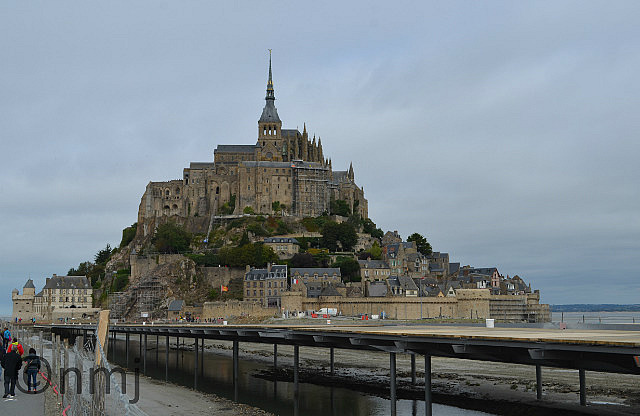
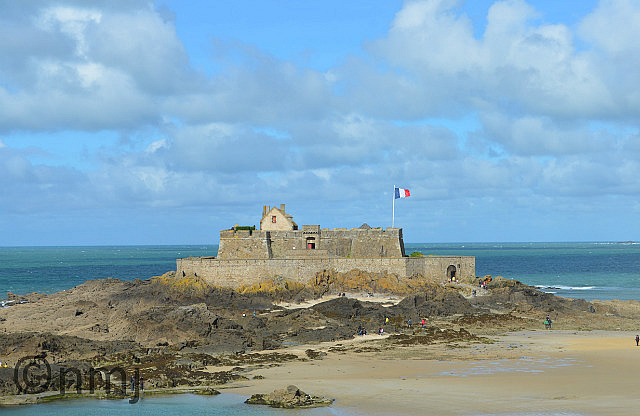
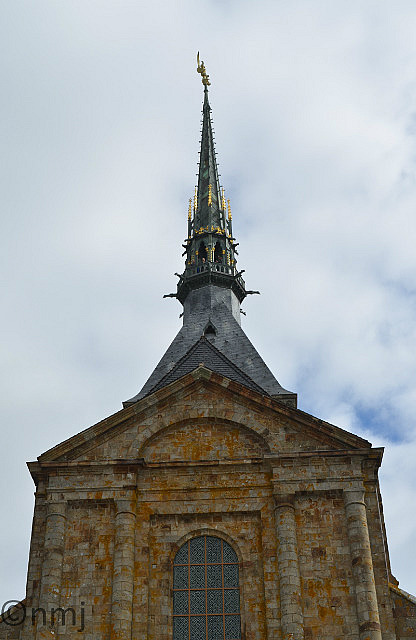
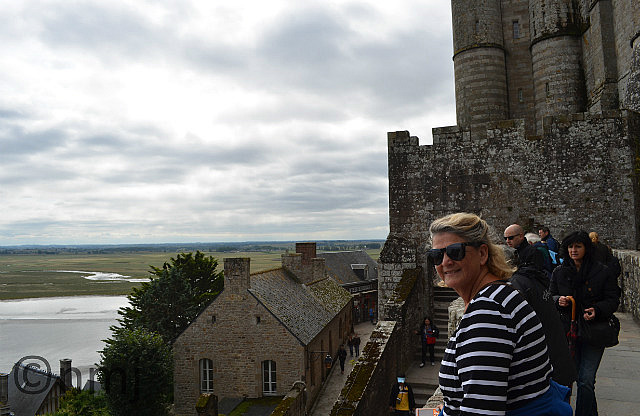
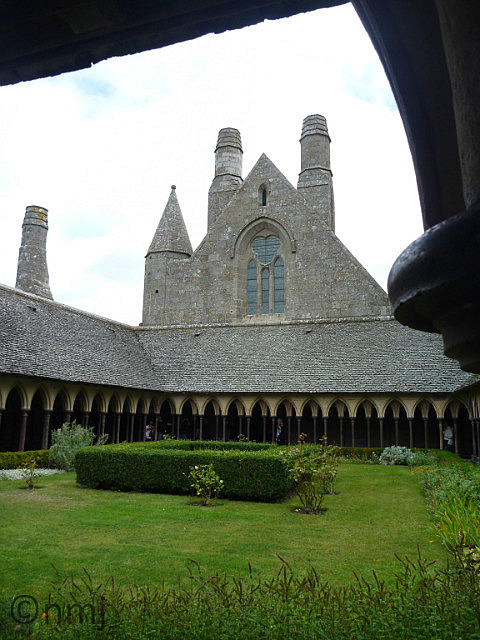
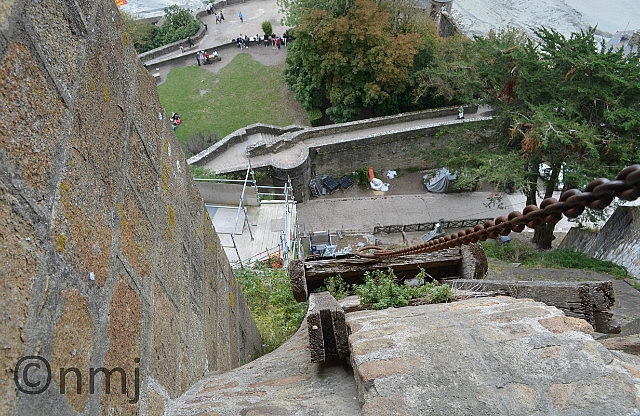
After Normandy, we decided that we had time to slip across to Brittany (or is it still Normandy) and go to Mont-Saint-Michel. All we can say it “WOW”! It was amazing and it was also an easy bicycle ride across the polder. We had a great day exploring the Abbey and walking up and down the most incredibly steep and twisty streets. We also drove up into Brittany-proper and spent an afternoon exploring Saint-Malo. Nick was blown away as he had no idea what to expect and thought it was merely the end-point of a drive. We both agree that both Normandy and Brittany are on the ‘Must Return To’ list.
In fact, we are both sorely tempted by the prospect of buying real estate in this part of France and have had many conversations about the pros and cons of buying a Maison in Normandy, versus renting a house for six months (or so). Any suggestions?
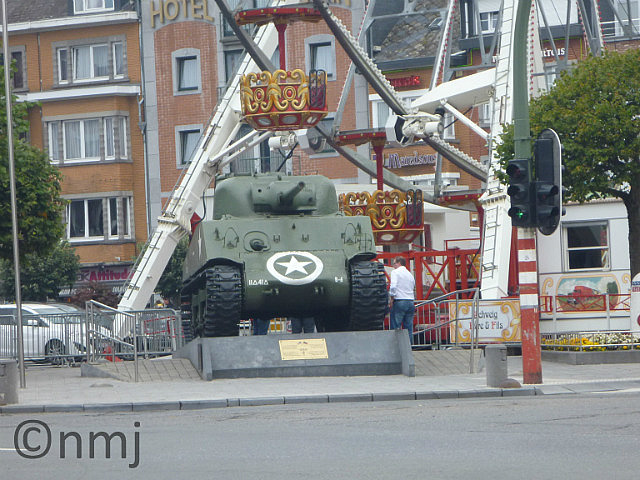
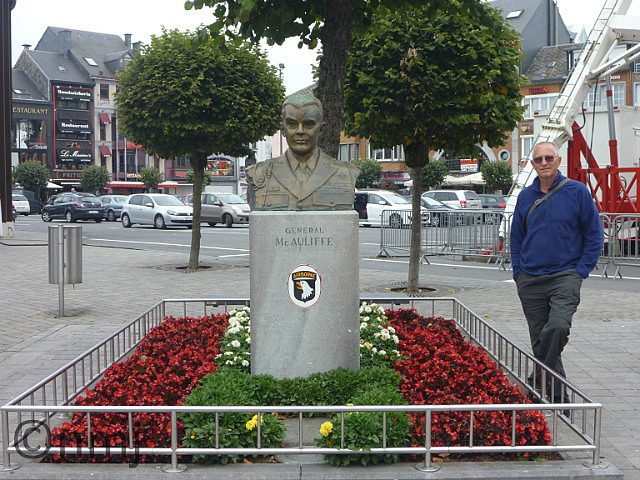
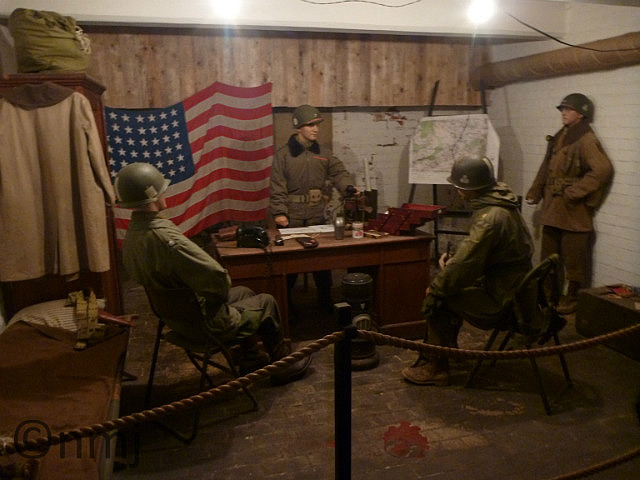

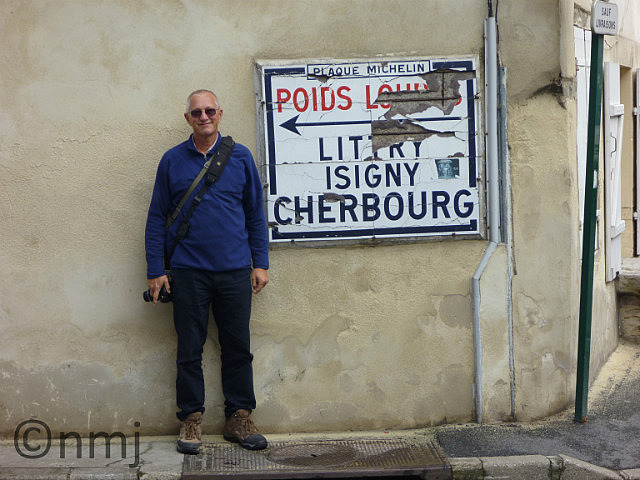
The closest he’ll get to combat!!
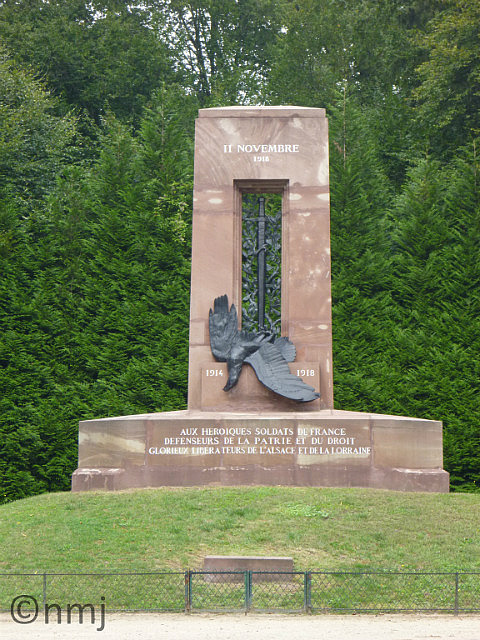
The sword of democracy killing the German eagle, at Compiègne

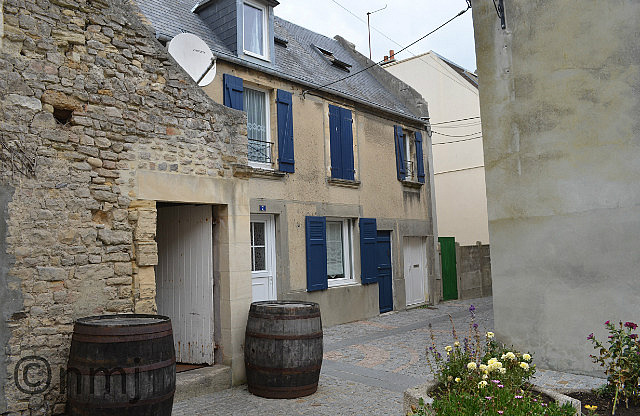
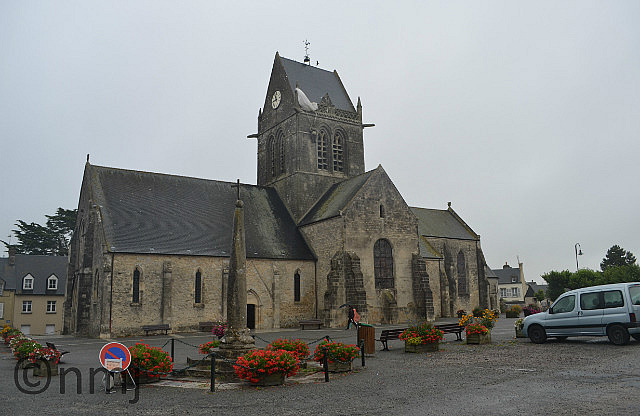
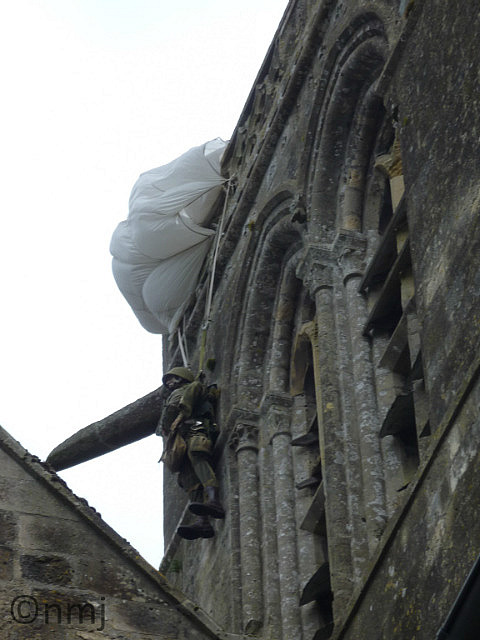
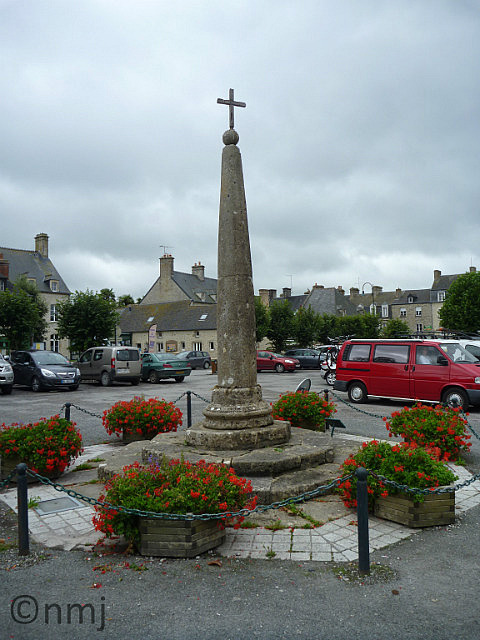
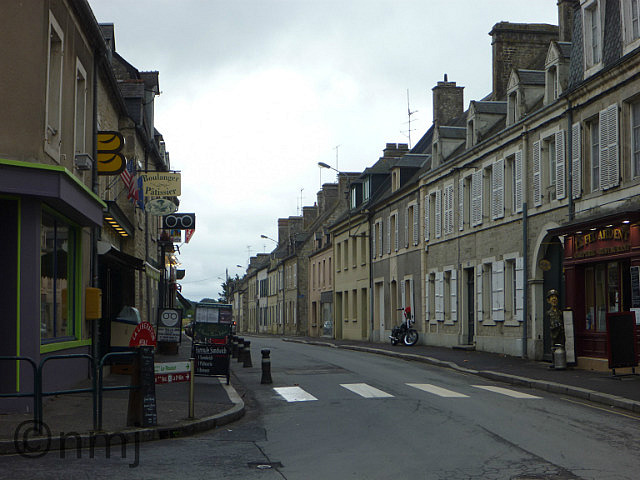
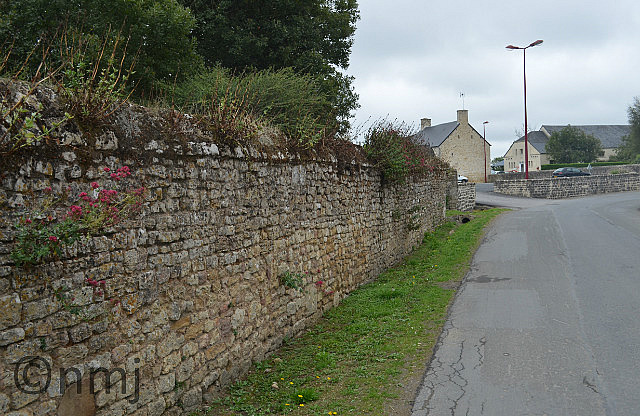
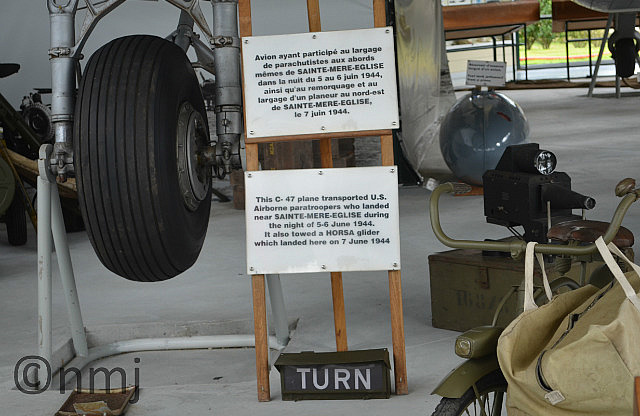
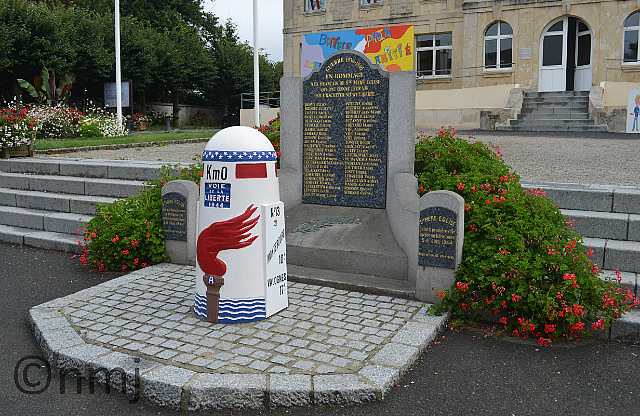
Sainte-Mère-Église
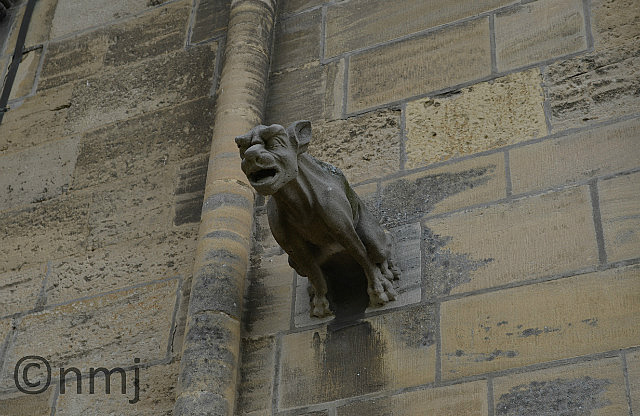
And, no, I’m not talking about Nick!
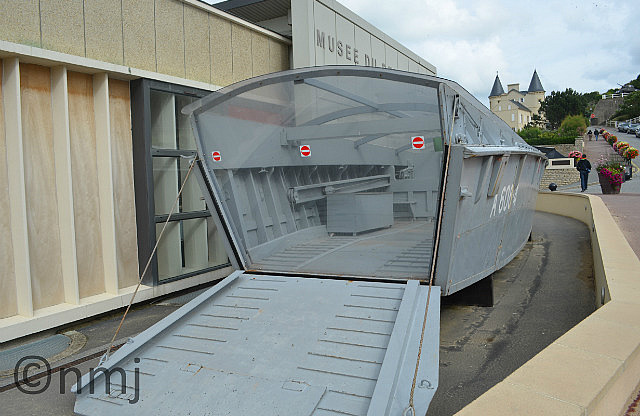
These boats are made of plywood.
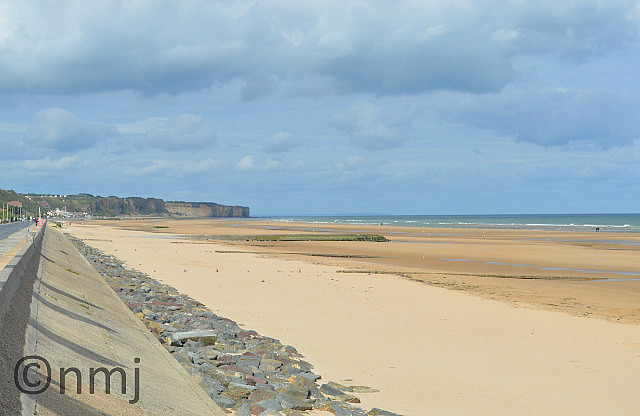
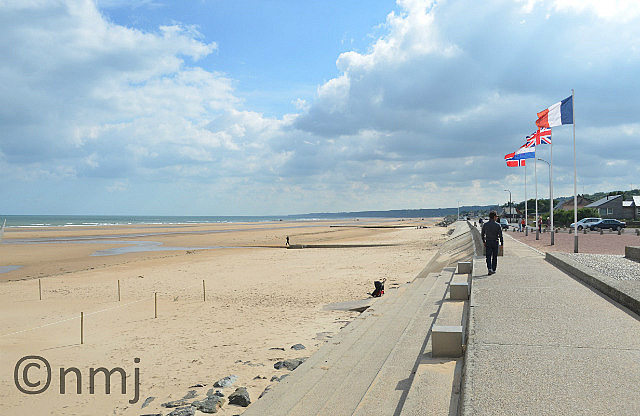
It’s a bloody long beach!
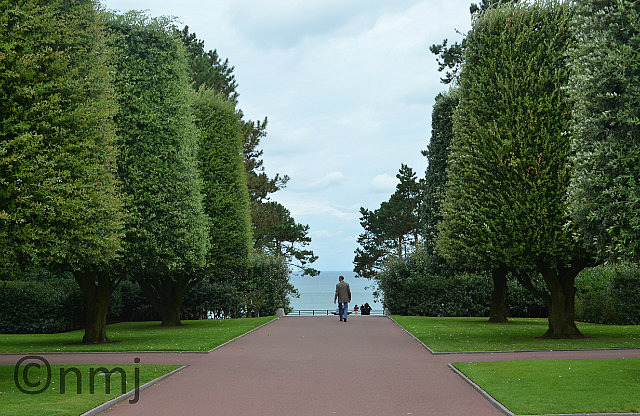
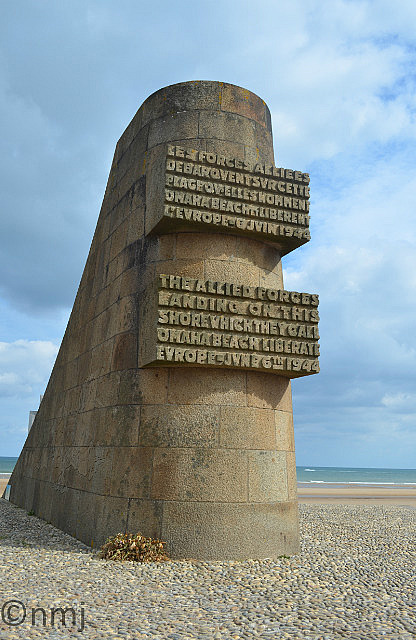

end of Omaha Beach
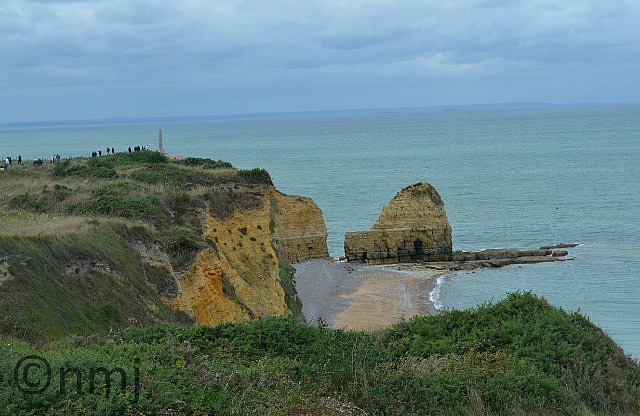
The Rangers had to climb these cliffs to silence the German guns at the top.
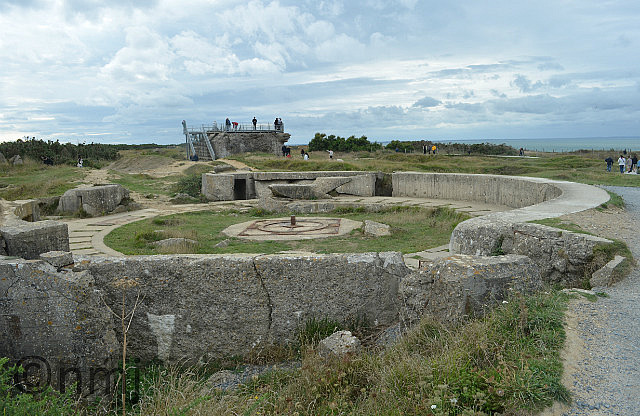
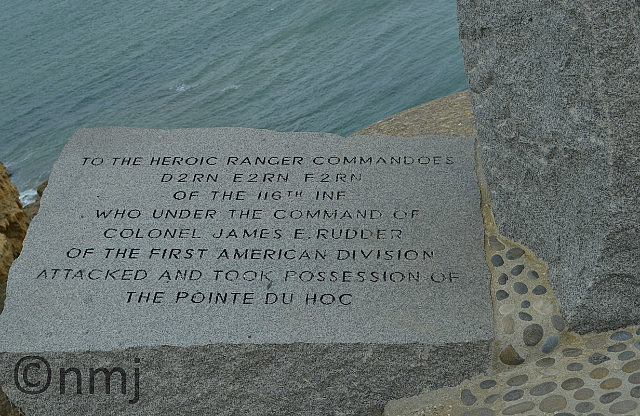
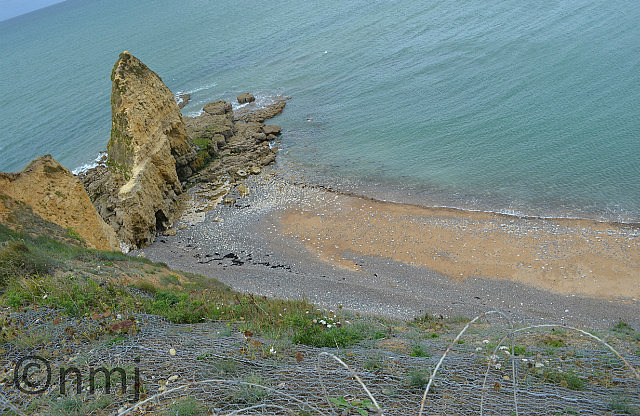
Point-du-Hoc
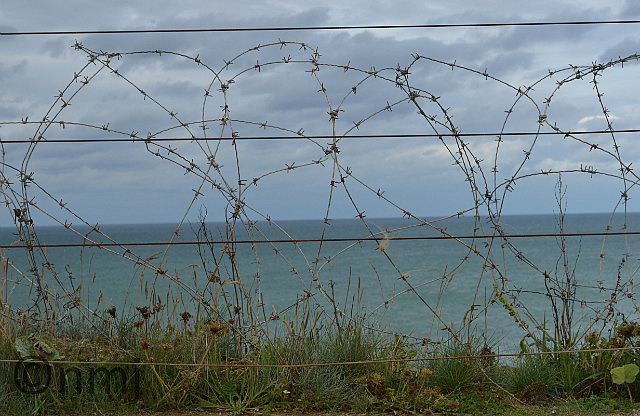
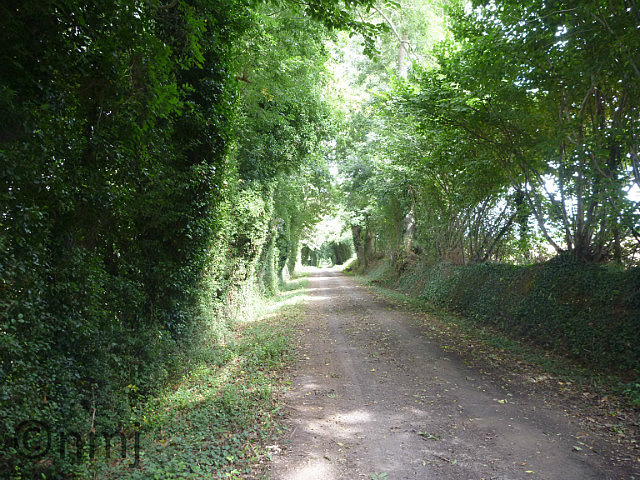
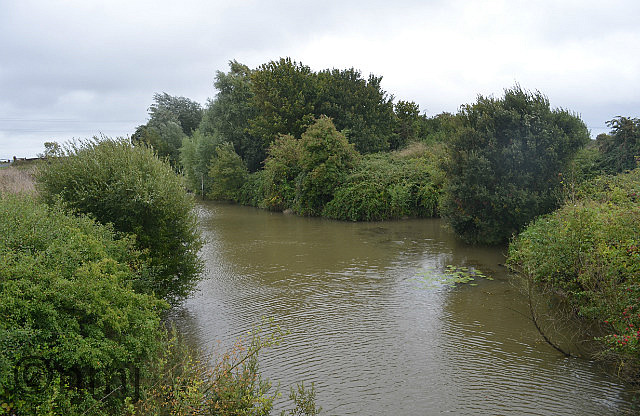
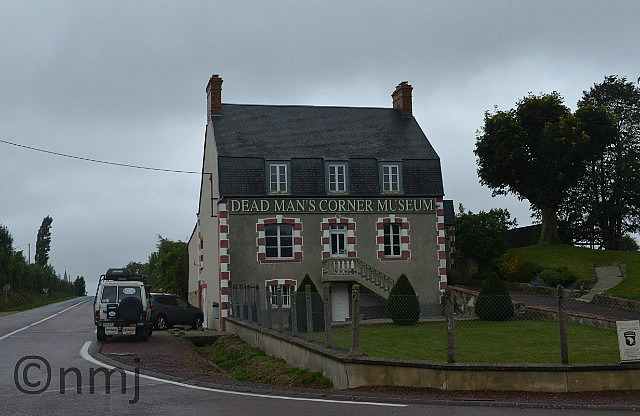
So, it wasn’t all WW2 and History
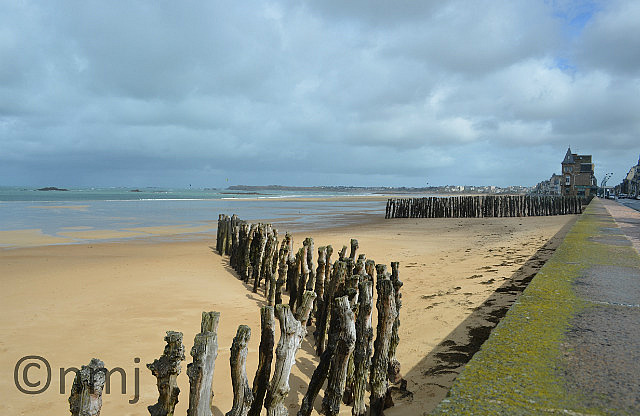
These logs are dug into the sand to act as a breakwater before the waves hit the stone walls. There is a huge tidal range in this area of the French coast.
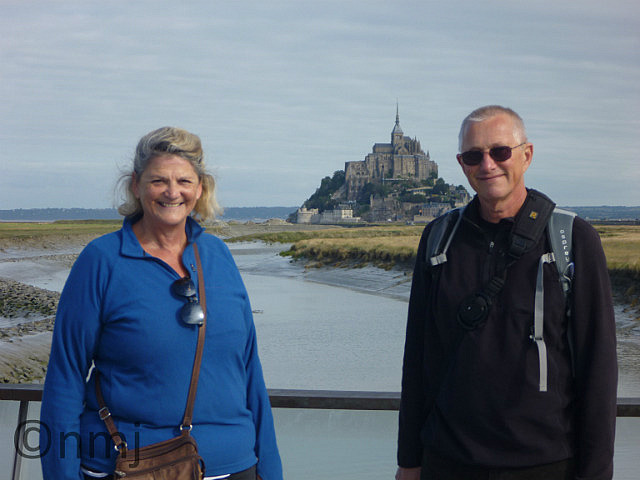
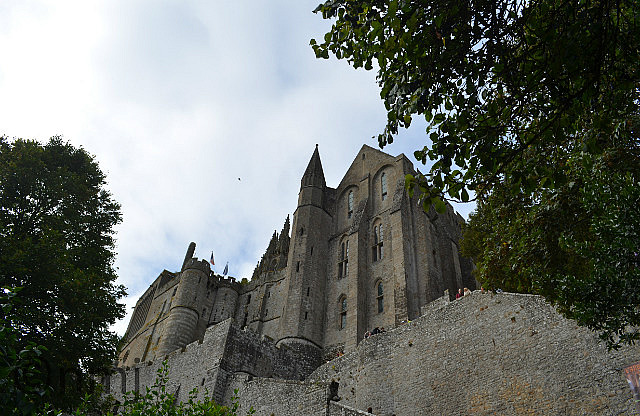
the Abbey at Mont-Saint-Michel
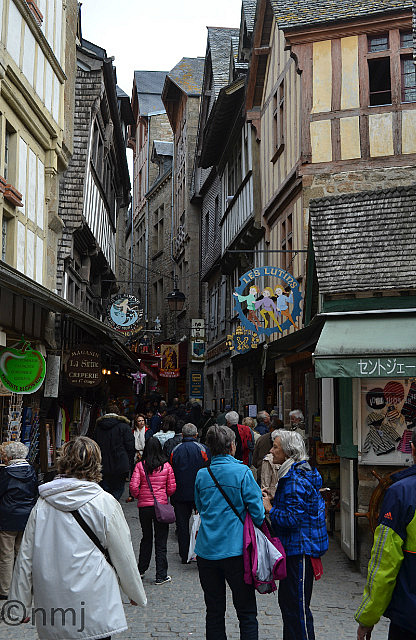
There is an old village that grew around the base of the island – the abbey is at the top of the island.
 Nick & MJ On The Road
Leave a comment