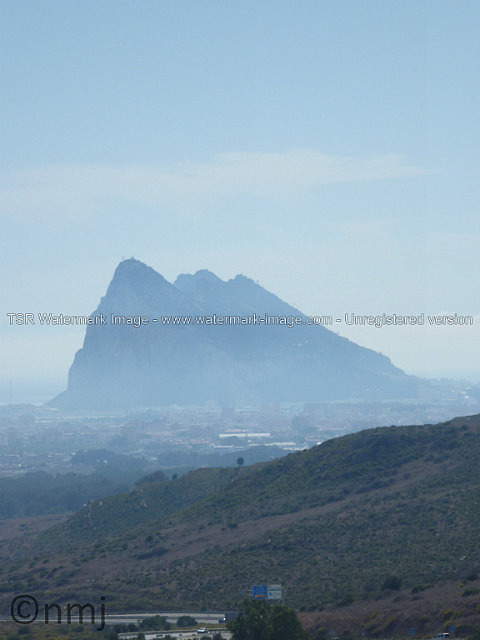
La Línea de la Concepción, Spain
Those of you who know MJ, you may be aware that her maiden name was of Germanic origin but she has as much Portuguese heritage as German. Her Portuguese Great-Great-Grandfather left Lisbon (good move there) and was living in Melbourne when he married an Englishwoman. And so this visit to Portugal was something she had been looking forward to.
We arrived in Portugal at the northern town of Chaves. Now, we had read that Portugal has toll-roads, many of which require electronic tolls and with the EU registrations, not having Portuguese registration on your car is no protection. So we stopped in Chaves to look for the booth where we could arrange for a 10-day access – but, being Saturday, it was closed! We were told that there was supposed to be a booth at the border (either not there or unmarked). So, feeling a little bit guilty (after all, the Portuguese economy is in the toilet), we set off on the toll-roads. Why were we taking the toll-roads, I hear you ask. Most countries that have toll-roads, provide a reasonably standard of road that travels the same route so that you have a viable alternate route – but not in Portugal. It is either the tollway or a 3+ hours detour! I kid you not – Porto to Lisbon was about 280km or 3 hours on the toll-road whereas the alternative was about 322 kms and 6½ hours!
Anyway, as I was saying, we left Chaves without an approved toll access but good memories of the helpfulness of the locals. On the tollroad between Chaves and Porto, we encountered our first manned toll-booth and shelled out about 11 Euros for a short distance (10kms or so)! After that, we collected our tickets from the booths but just pretended we didn’t know the difference at the other end and went through the electronic lanes! In all, we saved something like 75 Euros because we were a Class 2 vehicle (more than 1.1m high)! It is probably a good thing that we aren’t going back to Portugal with this car!
But our illegal memories are done – on to our explorations. We arrived in Porto and located the caravan park and did the obligatory explore of the facilities – good hot water, no toilet seats or toilet paper, free WiFi point and lots of Eucalyptus trees. It was suggested that if we wanted to cycle into the town, then we could go along the beachfront until we reach the river and then cycle along to river into Porto. The girl on the front desk recommended that route because “it doesn’t get hilly along the river”.
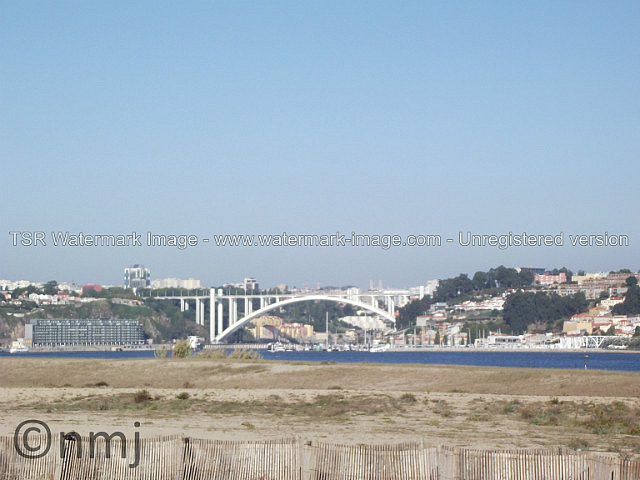
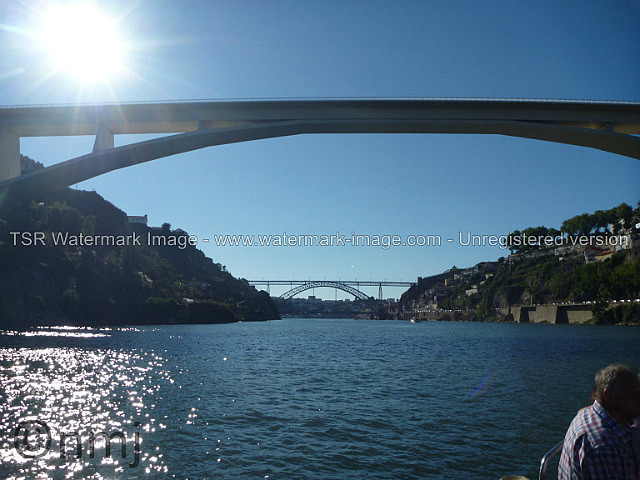
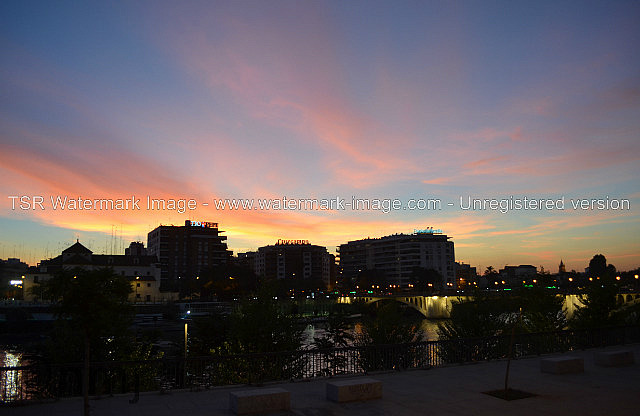
Yes, we drove across this bridge, but this is the view towards Porto from along the river.
Hmmm, that sounded a bit ominous, so we decided that we would catch the bus into town on our first day of exploration. The buses in Portugal are quite inexpensive – only €1.80 per trip but my God, was the drive into town scary! I don’t know how they pick the bus drivers or train them, but we were driving through an old part of the “suburbs” where there were no footpaths and the houses opened directly onto the streets, the buses only fit in the street with their mirrors folded in, but that doesn’t mean that they drive carefully or cautiously or slowly. Nick even shut his eyes because he was sitting in the aisle seat and could see what was happening up the front!
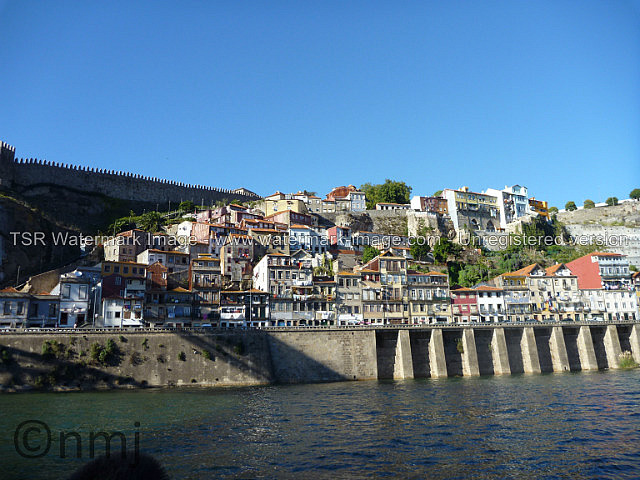
When we arrived in town, we were tempted to fall to the ground and give thanks for surviving the trip. By this time, we had seen the hills on both sides of the river that divides Porto and decided that we would not be bringing the bikes into town. Also, in consideration of MJ’s knees, we decided to get a two-day Hop On-Hop Off Sightseeing Bus ticket. This meant that with the two routes, we could drive through the older parts of town and decided what we wanted to visit and also drive out to the coast and came back along the beaches and the river.
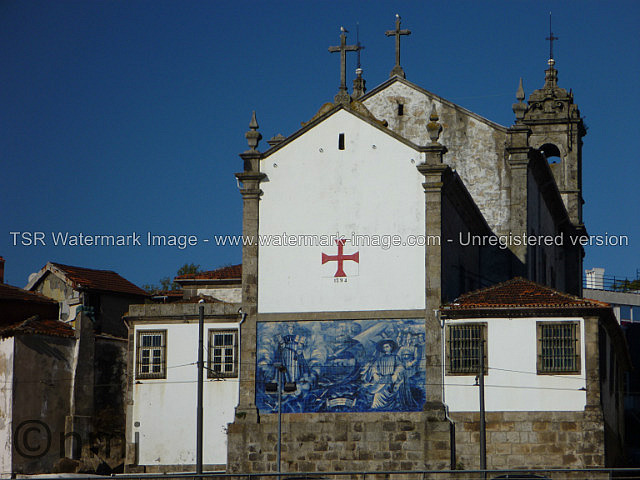
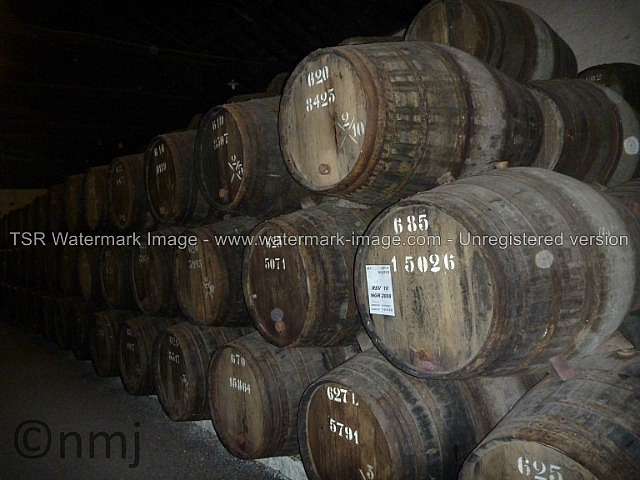
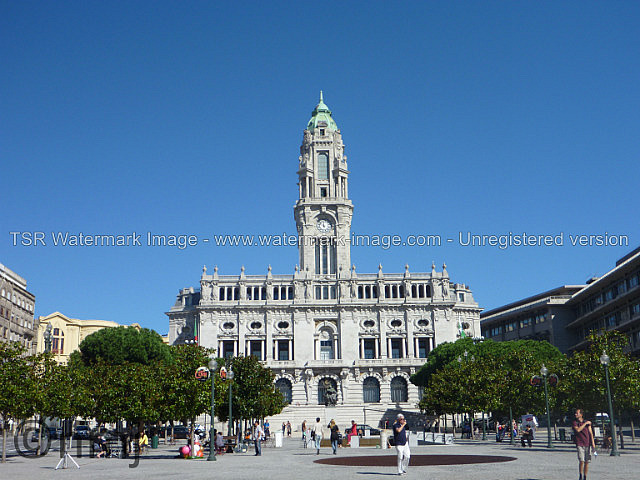
at Porto.
We took the chance to visit a couple of Port Caves (Cellars) and I have to say that the second Cave was really interesting. At the Taylors Cave, we got a guided tour of the Cave, learnt about the history of and methodology of making Port and MJ got to sample a variety of Ports. She was very happy because she had her own samples as well as Nick’s samples. We sampled Paella and Portuguese Roast Chicken for lunch one day. We walked around, visiting old churches, walking through old neighbourhoods, marvelled at the decorative blue & white tiles that were on the outside of many of the buildings and generally enjoyed the sunshine.

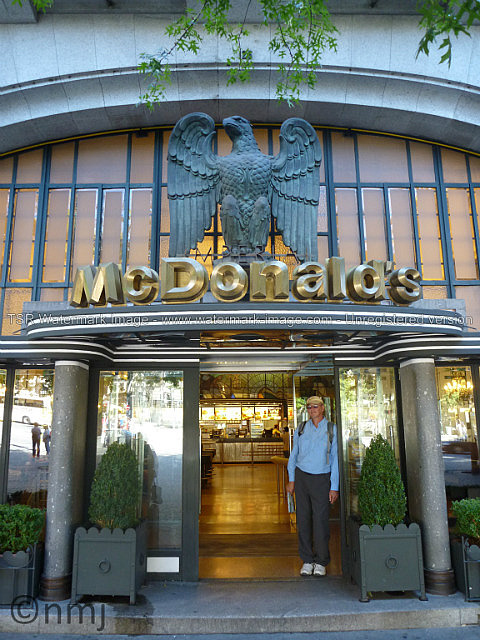
Art Deco style
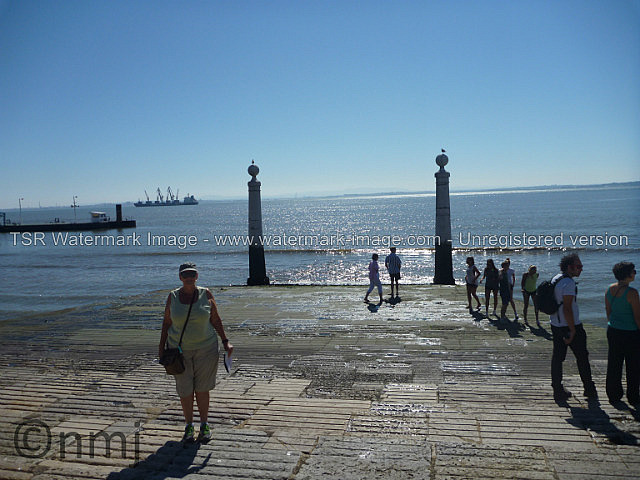
After two days in Porto, we headed down to Lisbon. I remember, as a child, that my father used to recite an address in Lisbon and tell us that was where his great-grandfather had lived before he left Portugal. But no-one had bothered to remember it or write it down, so sadly we couldn’t plan on trying to see where Jose had come from. But having seen Porto and after visiting Lisbon and Sintra, we can imagine what the living conditions must have been like because the old areas don’t seem to have changed much in the last 150 years.
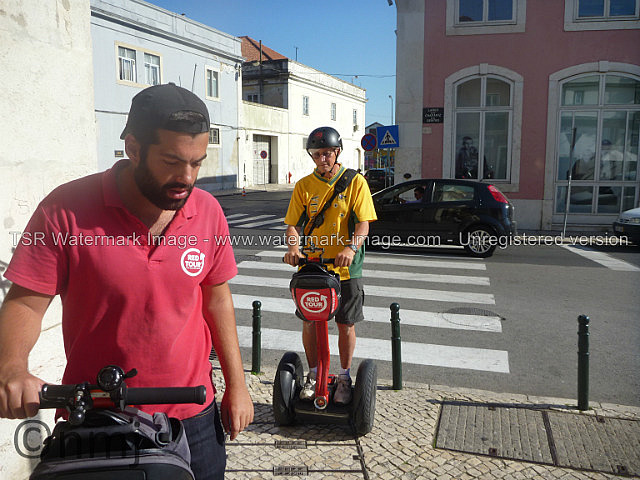
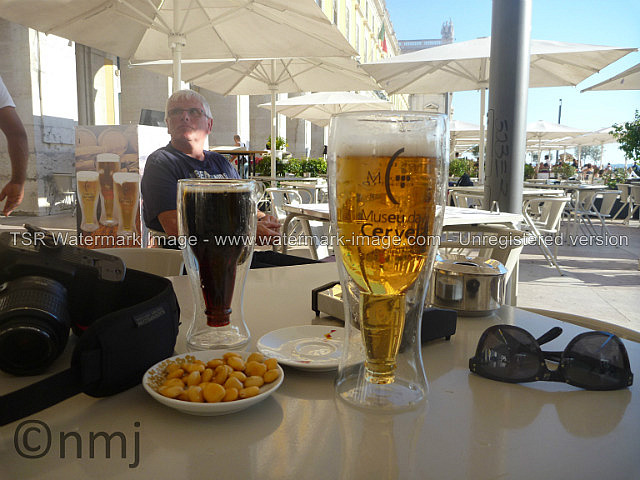
In Lisbon, there are hills (again) but not as steep as Porto, but when combined with steep roads, with the narrow streets, very narrow or non-existent footpaths and the amount of traffic we were happy to not walk around too much, so we decided to do a guided Segway Tour! After riding two wheels for over 40 years (bicycles and motorbikes), you would have thought that Nick would have no problems with a Segway, but he muttered something about the difference between parallel wheels. But his natural balance came to the fore and it wasn’t long before he became a cocky bugger, showing off his skill on the Segway, but we both agreed that we were surprised how much our feet hurt! It was all because you have to use foot pressure to steer and brake, and on your first time on a Segway, you are VERY aware of it. But, it was lots of fun! And after a hot afternoon on Segways and walking around, we sojourned to the Beer Museum and had a couple of very cold Portuguese beers and Nick discovered that the Portuguese make a very nice dark beer.
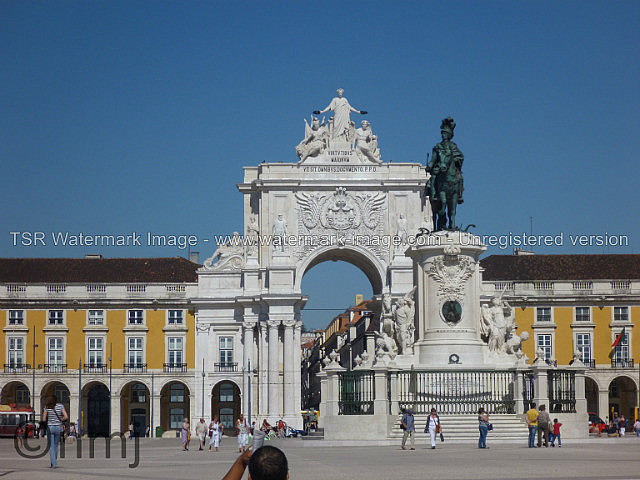
Tarjo River, Lisbon
We had been told that apart from Lisbon city, we should visit Belem and Sintra. For anyone who has ever been to Macau and tasted the Portuguese Egg Custard Tarts, all I will say it – they come from Belem! Belem is also up river from Lisbon and on the coast, so there is lots of interesting monuments to the early Portuguese explorers.
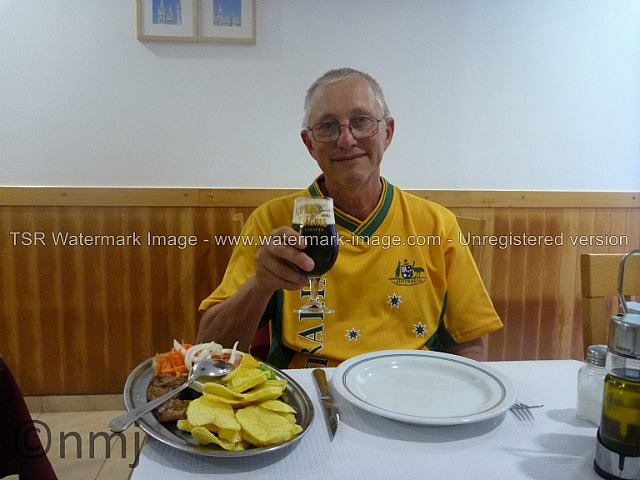
We also found a little café for dinner and had a great meal with great service for a reasonable price, though MJ was almost sent to the kitchen to wash-up because she couldn’t finish her dinner! MJ had two Veal Tornadoes with Bacon wrapped around them with Portuguese Rice & Beans and salad, whilst Nick had a creamy pea soup as an entrée followed by wild boar with potatoes and salad. As I type this description, all I remember was how full we were and how we had to go for a walk to help with the digestion of a great meal.
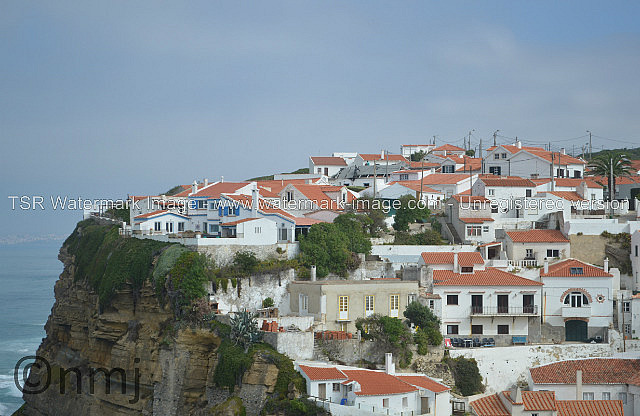

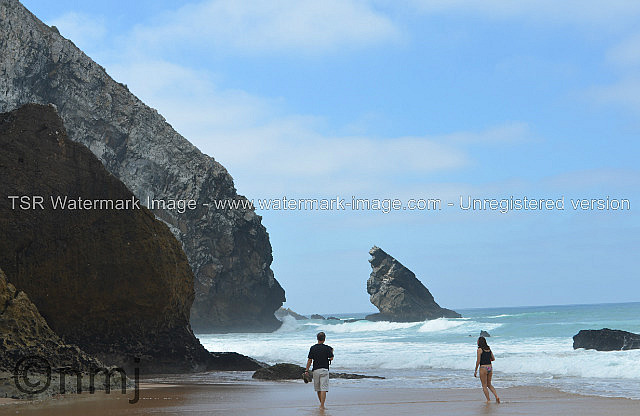
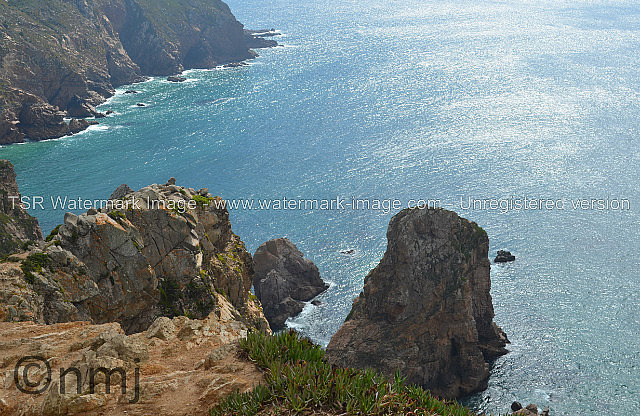
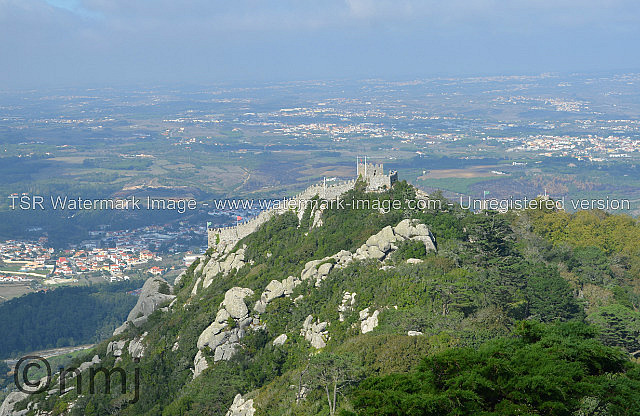
Sintra is a small town that grew when the husband of the Portuguese Queen decided to buy an abandoned convent (destroyed in the 1755 earthquake) and he had the Pena Palace built with all it’s gardens. We caught the train to Sintra and decided to do a Jeep tour, which would take us to the coast to see a couple of different beaches but it would also take us to Cabo da Roca, which is the most Westerly point of mainland Europe.

This is the most westerly point of mainland Europe.
For those of you who know Nick well, you will understand that this appealed to his enjoyment of geographic points of interest. As he said, we have been to the most eastern point of Europe (near Ekaterinaburg), and we would be going to the most Southerly point on our way through Spain (Tariffa) and we would also be visiting Nordcap, which is the most northerly point of mainland Europe. So we did, and he got the postcard to prove it (we also took some photos)! One aspect of our Jeep Tour that we enjoyed was that the tour guide has a geology background and so instead of just the historical information about the area, Lidia was also able to talk to us about the different formations and how they had developed.
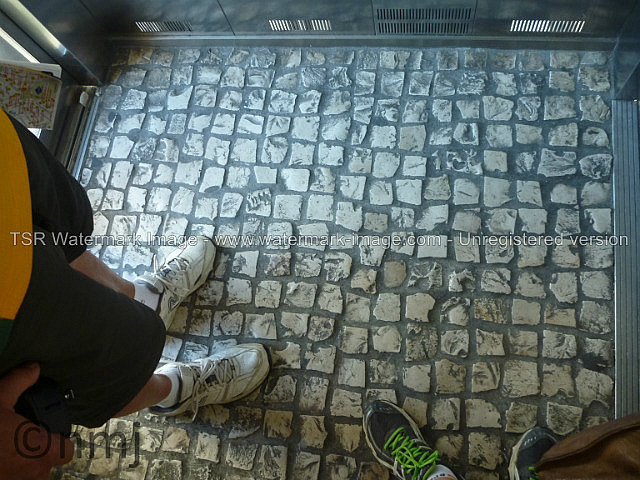
Now it was time to head to our last port of call in Portugal and it was off to Faro. Actually, we ended up camping and having a rest day at a place called Quarteria which was pretty uninspiring, except for one thing – the number of long-term visitors who go there for 6 months to avoid the cold winters up north! We chatted with a number of English and Dutch people who were all there for 6 months and this year wasn’t their first year there! But it was a chance to catch up with some washing and blogging. And when we left, we stopped off in a small town called Tavira and discovered a new use for a disused water tower – a ‘Camera Obscura’. It was an interesting way to see the whole town for a small price and without any walking – there was even an elevator up into the water tower! And we managed to get a photo of the very decorative fire station, which is a volunteer station with about 6 trucks.
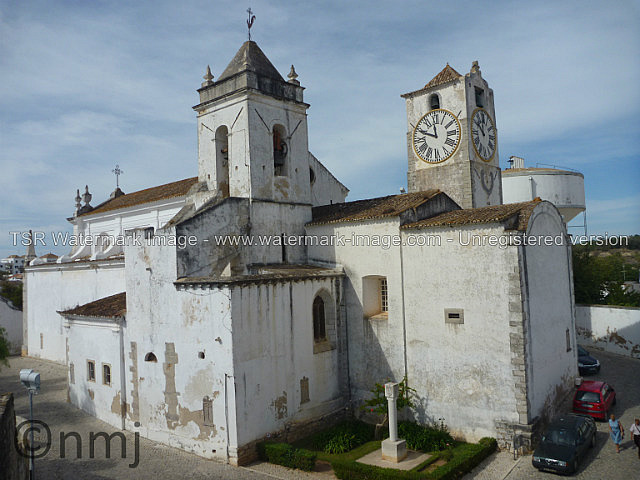
Yes, there are 22 churches in Tavira but only 1 priest. There are also 6 convents but no nuns!
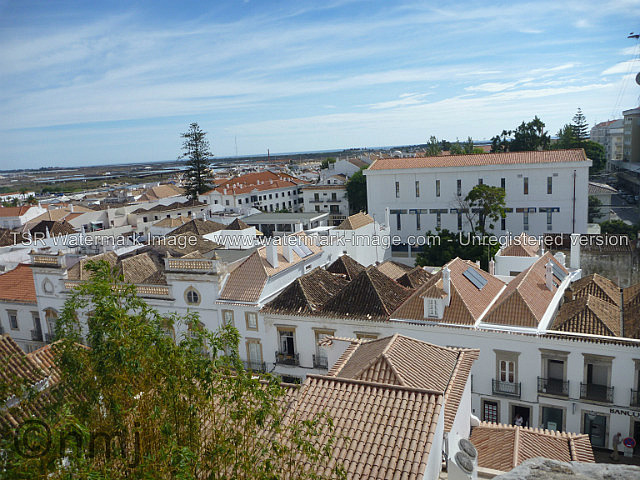
And now it was back into Spain. Are you wondering where we are heading??? When we first roughed out a schedule, we had planned on heading up into Scandinavia, but by the time we had finished all our appointments (Ausweise, Passport, Car repairs), it was too cold to head North, so we decided to head South and stay warm. During our first couple of weeks in France, we were worried about all the rain and cold weather, but in Portugal and Spain, we have rediscovered lots of lovely hot sunshine.
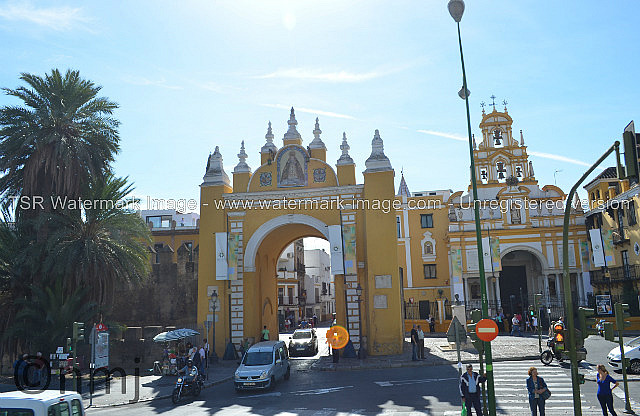
Look at all that glorious sunshine!
If you follow the news, you will be aware that things in parts of Africa are a bit dodgy (Syria, Libya & Egypt), so at the moment our plan of driving through Africa are on hold. But we decided that as we are so close to North Africa, it would be silly to miss an opportunity, so from Portugal, we headed to Seville and then down to Gibraltar. Tomorrow we will be catching a ferry over to Morocco for a couple of weeks.
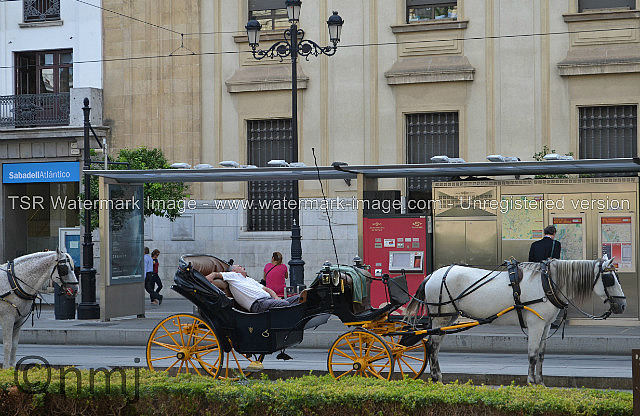
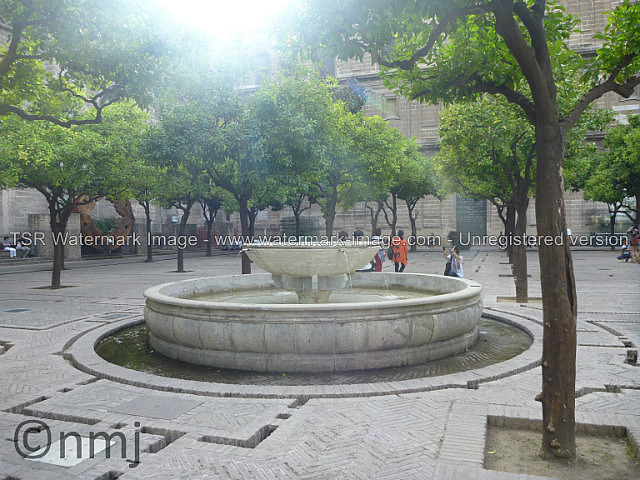
So now, back to Spain and we are in Seville. What is the first thing that springs into your mind when you think of Seville. I’ll bet it is “oranges”! Yes, there are hundreds of orange trees here but also thousands of olive trees. We are discovering that the Spanish (& Portuguese) don’t like to put a campground too close to a point of interest, so to visit Seville, we found ourselves staying at the campground in a place called Dos Hermanos which is a satellite suburb to Seville. We met our first Australians there – a couple from Perth (OK, so he was English and she was Filipino) but they understood what we were talking about! Seville had the World Exposition in 1992 and they built a big Expo Park which you can see when you do the Sightseeing bus tour. After the Expo, part of it was turned into a Technology Park. How can I describe it? Abandoned is one word that comes to mind, another good one is “dump”! But what’s this I see on the map? The 1929 Expo… oh dear, will this be another abandoned something that has been left to rot since then?
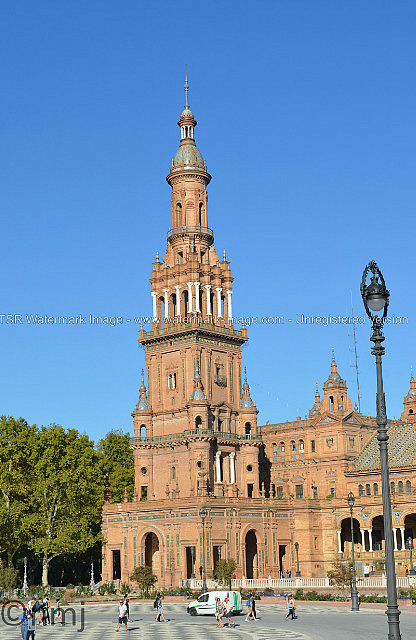
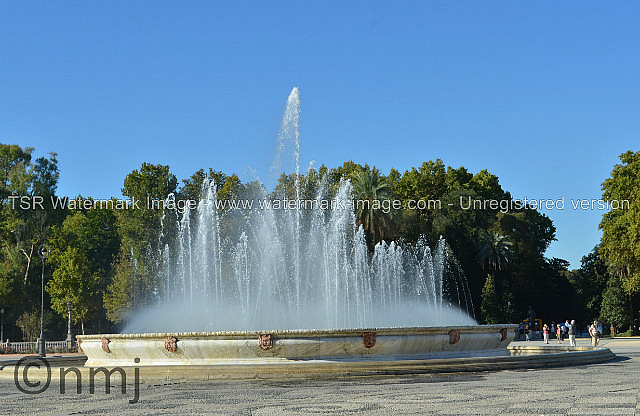
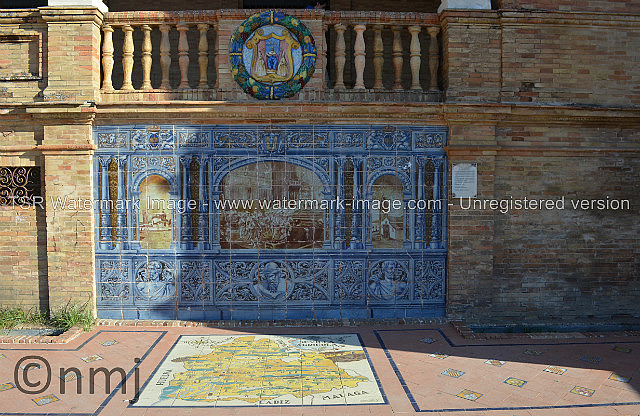
NO! It was built for the Ibero-American Exposition and it has the most amazing place – Plaza de Espana, Plaza de America and the Parque de Maria Luisa with pavilions that were built by a number of South American or Central American countries. But the most amazing sight was the Plaza de Espana. The building is now occupied by various Council agencies and so it is in constant use, but the Plaza in front is an extravaganza of tiled decoration and sheer artistry. I just don’t have to words to do justice to it, so I am attaching a link – so you can go and read about it and see some photos (http://www.andalucia.org/en/cultural-t ourism/visits/sevilla/otras-visitas/pla za-de-espana-2/).
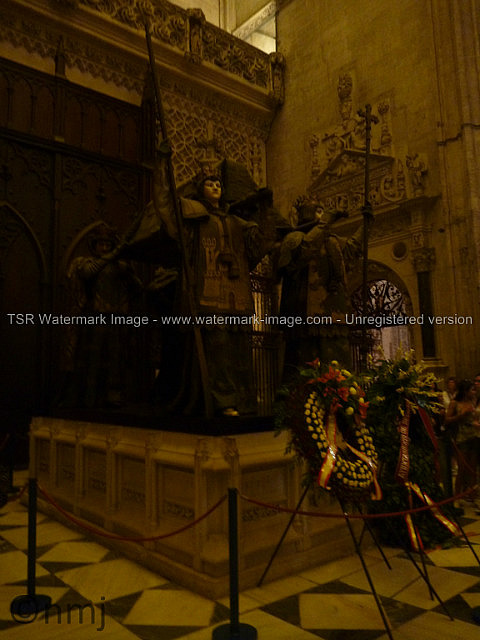
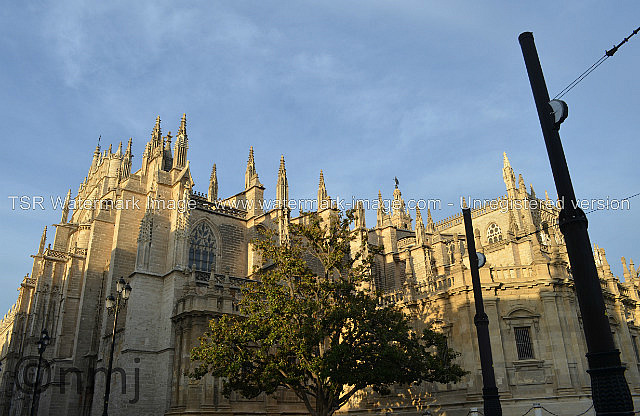
We discovered another gem whilst we were in Seville – the Archivo de Indias. Imagine seeing documents relating to exploration by the Spanish and the Portuguese such as the Treaty of Tordesillas that split all future discoveries between Spain & Portugal, or letters granting permissions to explore, colonise and enrich Spain, such as letters to explorers like Torres, Magellan, Cortes, Balboa, Diaz, but no mention of James Cook anywhere!! And after immersing ourselves in the history of the discovery and exploration of the Pacific, it was off to the Seville Cathedral and to observe the mausoleum of Christopher Columbus. It was an awe-inspiring few hours.
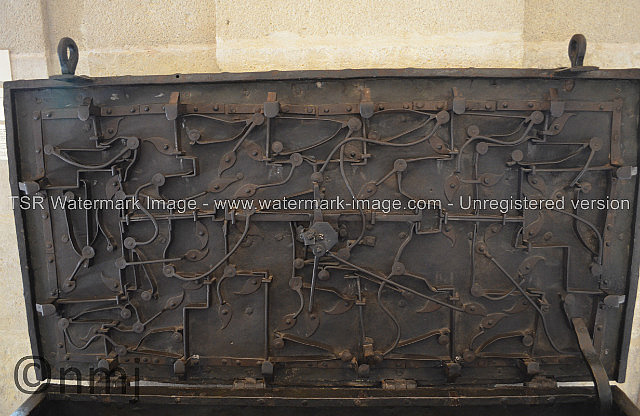
This lockable chest was on display in the Archivos da Indios.
Ok, so who remembers the musical craze from about 15 years ago – the Macarena. Well, in Seville, the Spaniards have Our Lady of the Macarena, a Macarena Gate and an area in the old part of town called La Macarena. The tour guides assured us that she has nothing to do with the music craze but I wonder how many visiting tourists either hum the music or even do the dance when they see the area.
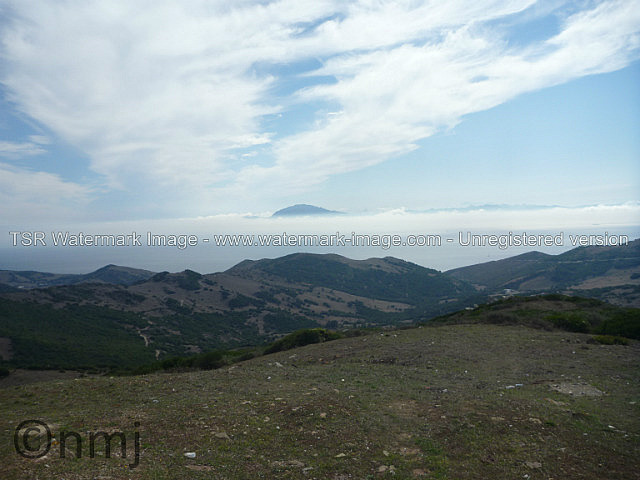
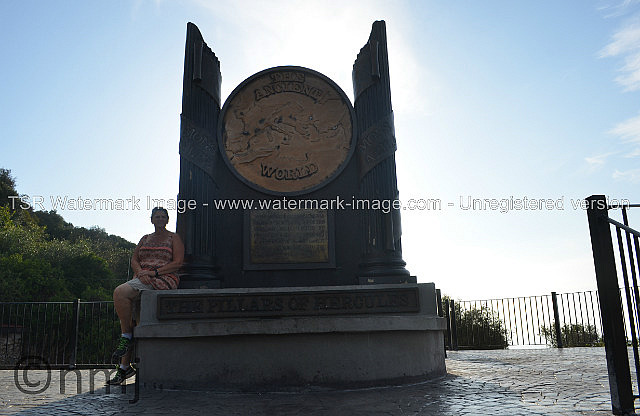
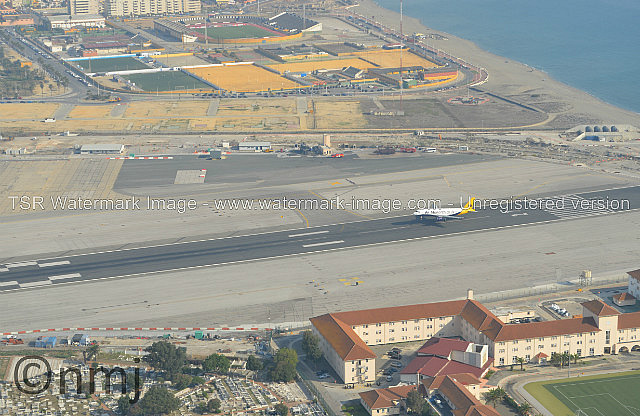
And our final stop before our quick trip to North Africa – Gibraltar! We were amazed at how difficult it was to find a campground that we could stay at whilst visiting Gibraltar and that would also give us access to Algeciras. Nick finally managed to locate a campground about 5 kilometres from the Gibraltar/Spanish border in a place La Linea de la Concepcion.
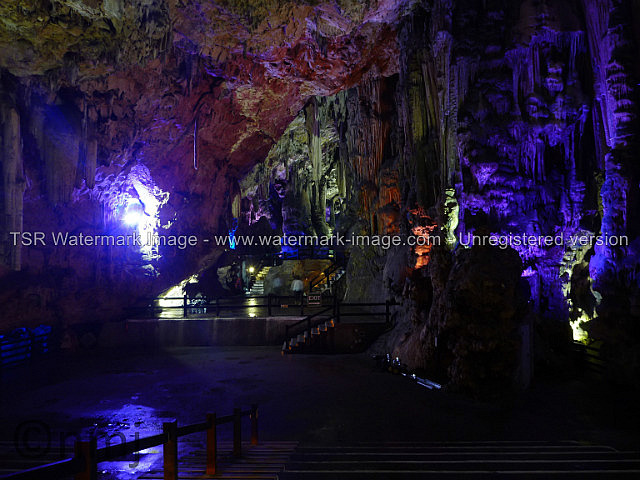
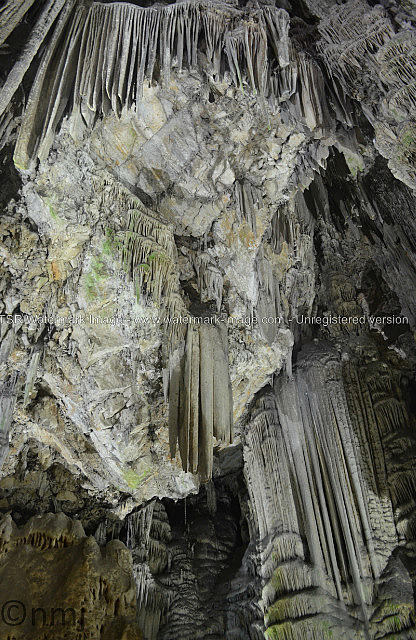
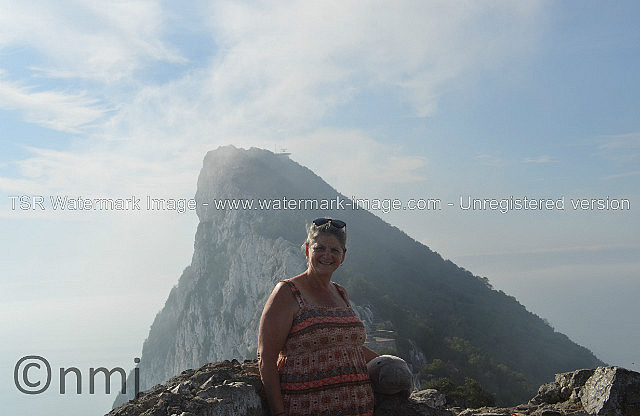
It wasn’t a very inspiring campground and it seemed to gain more income from the sporting facilities attached (soccer & racquet ball) but we could cycle down to the border within 30 minutes. We ended up visiting Gib twice. On our first visit, we left our bikes chained up in Spain and walked over the border, because we had been warned about delays by the Spanish Border officials. We walked straight through and only had to stop to open our passports to the photo page. We caught the bus up to the Town Centre (sadly not the London buses that they have there), and did a tour that took us up to St Michael’s Cave, the Siege Tunnels and also a visit to the Apes hangout in the Nature Reserve.
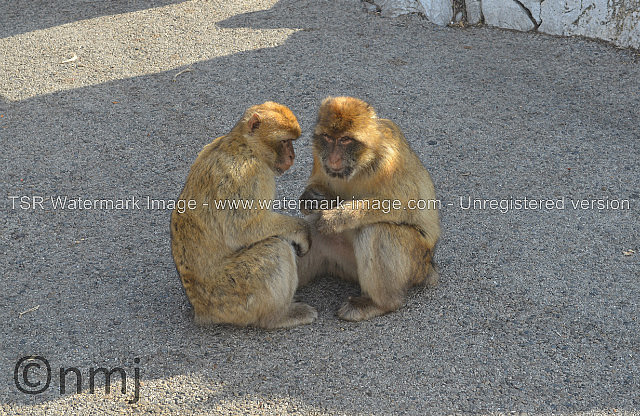
What are they plotting?
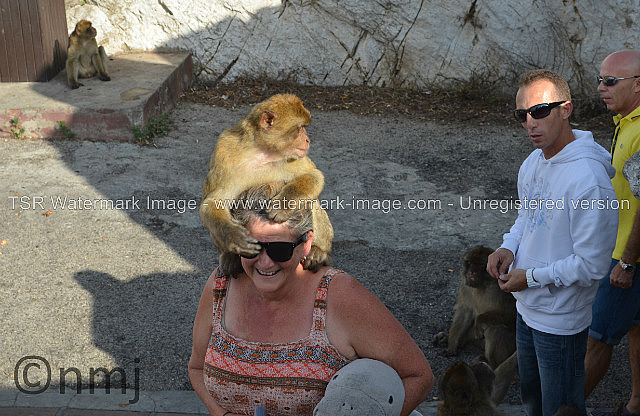
We watched with some amusement as the tour driver removed the magnetic signs from his vehicle – he explained that the monkeys knew the signs were removable and were prone to steal them! We saw a couple of monkeys hanging around the shop at the Cave – because they hope the gullible tourists will give them some ice-cream, but there were heaps of monkeys in the Nature Reserve. One cheeky monkey tried to steal Duggy (my travel companion) and Nick got jumped onto as did I. Kindly Nick managed to get a few photos of me with a new style of hat which also holds onto your sunglasses! I’m not sure it will take off in the fashion stakes. But it was a hoot!
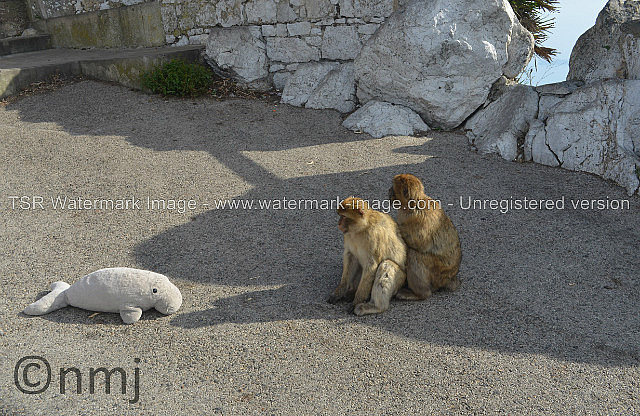
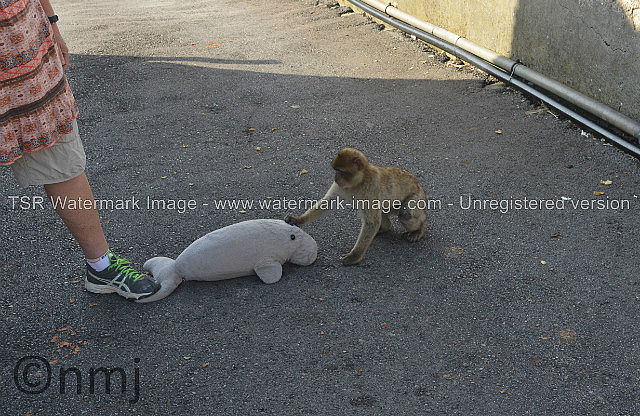
(Dugong-napping?)
I’m a fan of post cards, so as a result of buying postcards but not stamps, we had a bit of a backlog on postcards, so we bought enough stamps whilst in Gibraltar so that we could post all outstanding postcards. Which meant that we had to go back to Gib, but we decided to do it on our bikes. Well, the Spaniards seem to have the market cornered on time delays – whereas we could walk straight in, on our bikes, we were held up in the bicycle/moped line for about 30 minutes but the cars – the queue was huge! Apparently it is a nit-picking exercise on the part of the Spaniards because the Brits have held onto Gibraltar since 1704! Talk about petty!!
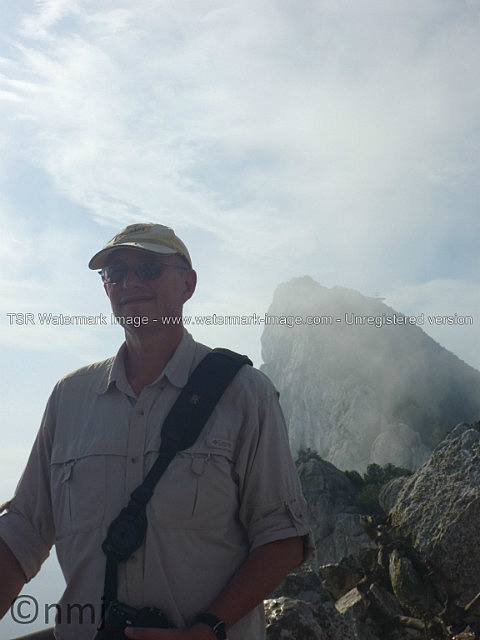
NOTE – When I uploaded the photos for this blog, I discovered the the latest version of a watermarking programme we use has added a watermark across the middle each photo. Hopefully, it won’t spoil your enjoyment of this blog.


AAAAAARRH!
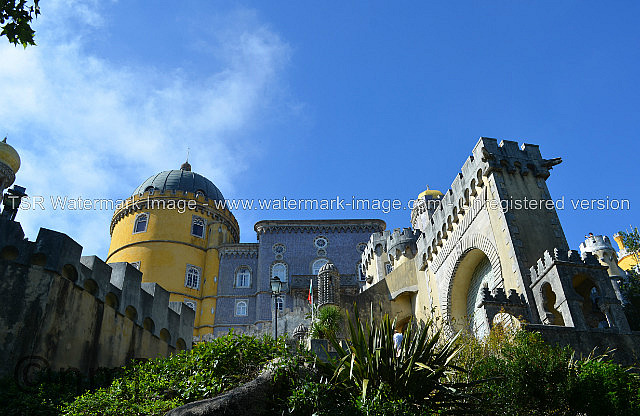
It was built incorporating the remains of an old Capuchin Monastery that was destroyed in the Earthquake of 1755.
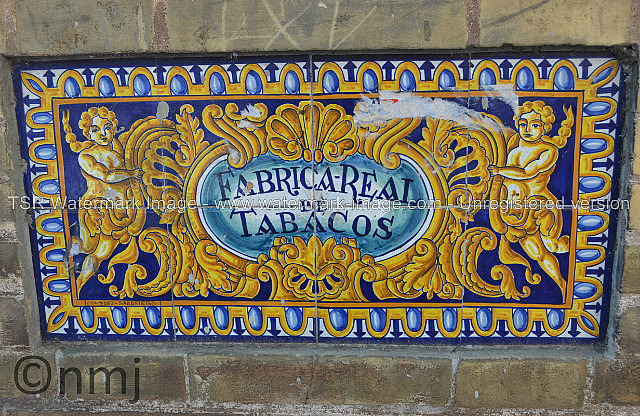
And it was only for a Tobacco Factory!
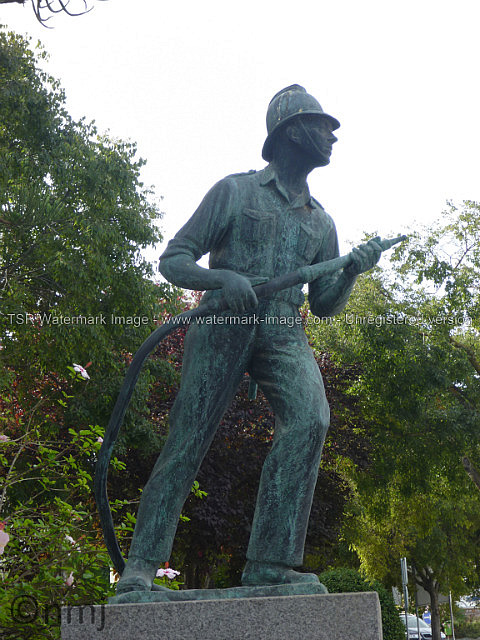
We were told that there had been 15 deaths due to fire amongst the Bombieros in 2013!
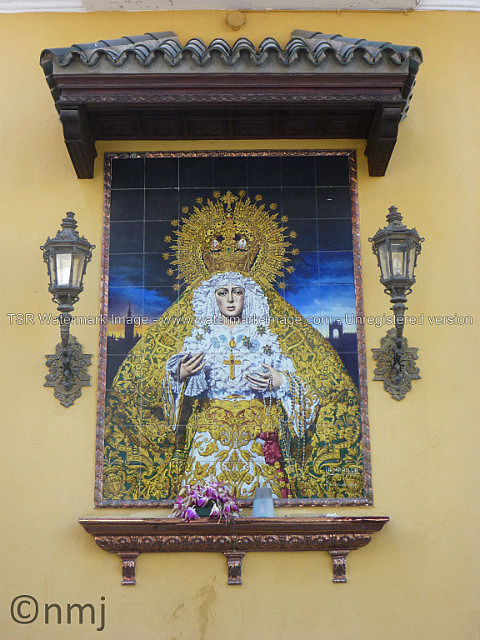
Does it look like she’s dancing the Macarena to you??

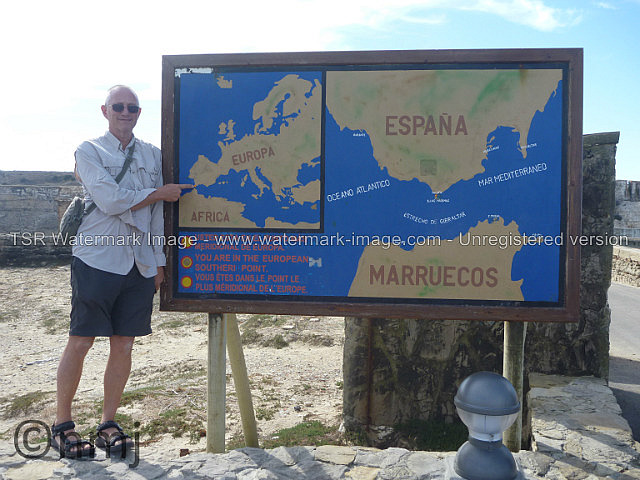
of mainland Europe

 Nick & MJ On The Road
Leave a comment