Helsinki, Finland
First stop, the German-Danish border, right? Wrong! In 2011 when we travelled by ferry from Helsinki to Travemunde, we passed through Lübeck, which is an old Hansa town like Hamburg and Bremen, and at the time, we said that we would have to come back. So, at Nick’s suggestion, we went to Lübeck to explore that old city. Sadly, Lübeck didn’t do well during the 1939-45 RAF Urban Renewal program, but some of the old town managed to survive, including one of the original Town Gates, the Holstentor.
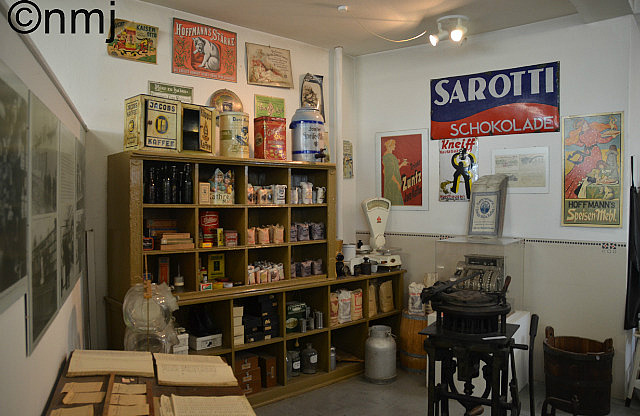
We arrived in Lübeck around lunchtime, so we had plenty of time to cycle into town to start exploring. As the town has a number of waterways wending around and through the city, we decided to take the Stadtrundfahrt in a boat. Sadly no English commentary, but they had a good booklet with information in English so it wasn’t a lost cause. After a very cold night (so much frost on the ground, it looked like snow) – who said to put the winter sleeping bags away! – we cycled into Lübeck for a day of exploring and our first stop was the Tourist Information office. Now whilst Nick left the translation, etc to me, he found a museum that he wanted to see – it was a Fabrikmusee and had a section that dealt with forced labour in Germany during WW2. Of course, it wasn’t going to be in town was it – nooooo. But it was only a short cycle away – only 13 kilometres (for our non-metric friends, that is about 8 miles. Thankfully as we were in northern Germany, then it was all flat – but ow! my aching ****! It had been more than 5 months since I had done any serious cycling. Anyway, when we got there, we had our picnic lunch, discovered that we were picnicking next to the local Mosque (as all the men left after their Friday devotions) and at 2pm, we went into the Museum. It turns out that the museum was in the old shop that supplied everything required to the workers in the old community that was built around an Iron Foundry. The museum showed how life was for the workers (tough!) and the basic methods that were used to do the work. They had a lot of information about the Forced Labourers but sadly, there was nothing in English – even the single Museum volunteer on duty spoke no English! But, despite these difficulties, we enjoyed the afternoon, especially the train ride back into Lübeck!
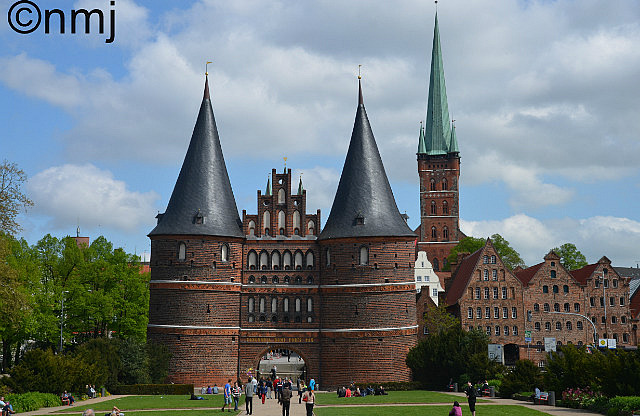
This is only one of two surviving gates from when Lübeck was the major city of the Hansa League.
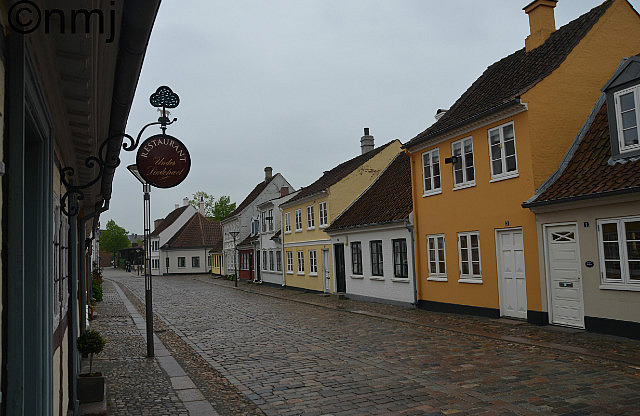
And now we were off to Denmark! We had been warned that fuel was expensive in Denmark, in fact in all of Scandinavia, so we decided to fill the car in Flensburg, just before we crossed the border. After buying a bit more than 100 Litres of fuel, we arrived in Denmark to find that fuel in Denmark is NOT more expensive that in Germany! I must just stress here that we are talking about Diesel, not Unleaded. Anyway, it was off to Odense we went – the birthplace of Hans Christian Andersen. Great campground! Very clean, big pitches, heated toilet/shower block, and finally, a communal kitchen – the first since we began our trip last year! The downside of Odense was that the great sunshine that we had found in the UK over Easter was well and truly gone and it rained, and was very cold, and then it rained some more, just for good measure. We stayed there for 3 nights and on day 1, Nick had to deal with a flat tyre on my bicycle and then we went to the Funen Historical Village, Funen being the Province (& island) where we were staying. If anyone is coming to Denmark, we can really recommend a few days in Odense and particularly an afternoon at the Historical Village. We spent about 4 hours there, meandering around, looking at stuff (and being able to touch stuff), trying foodstuffs that were common in the olden days, talking to the workers about the crafts & trades that they were demonstrating.
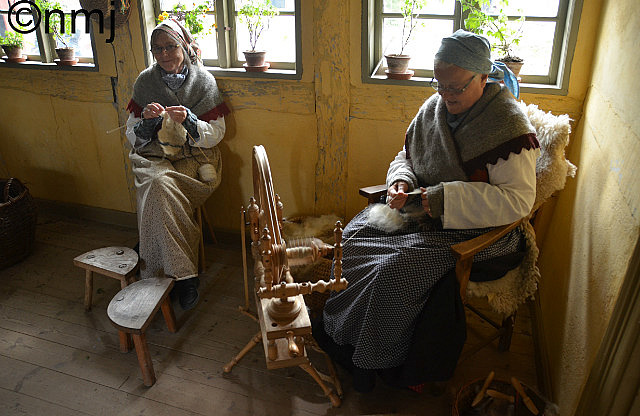
Crafts are still done the traditional way at the Funen Historical Village
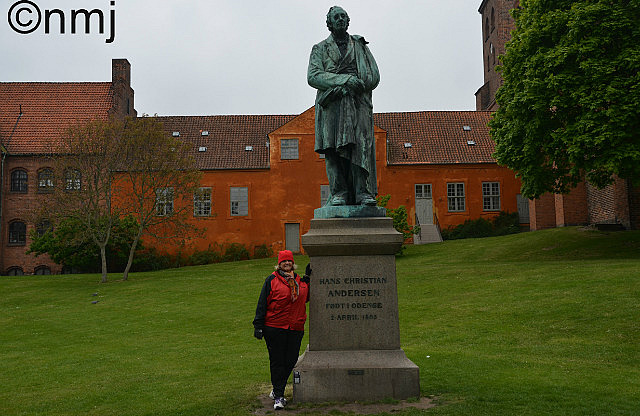
Odense is very proud of it’s son – HC Andersen was born and lived in Odense until he was confirmed, when he moved to Copenhagen.
Day 2 – it was still raining – was a Monday and we have a question, why do museums close of Mondays? We went to the Hans Christian Andersen House but it was closed. We walked all around the old town and all but one shop was closed – it was a Danish Christmas shop! So instead we went looking for some lunch and found a great bakery which makes the BEST bread! We also discovered St Knud’s Cathedral – St Knud is also known as King Canute. We also had the chance to look at his mortal remains, of which there are not many, and see quite a few early graves of early Danish/Swedish kings. After the cathedral, we decided that it was time to cycle back to the campground for a hot drink (have I mentioned that it was raining?) and we discovered the HC Andersen harbour, which is actually a section of the river which goes through a park. We found a statue of HC Andersen but he doesn’t look anything like Danny Kaye! But we enjoyed our ramble through the park, laughed at some randy drakes trying to court a lone female duck, and enjoyed our ride back through cyclist-friendly Odense. In fact, our experience in Denmark shows that the country is strongly supportive of cyclists, which is great to see, and it’s fairly flat, so it is easy cycling country.

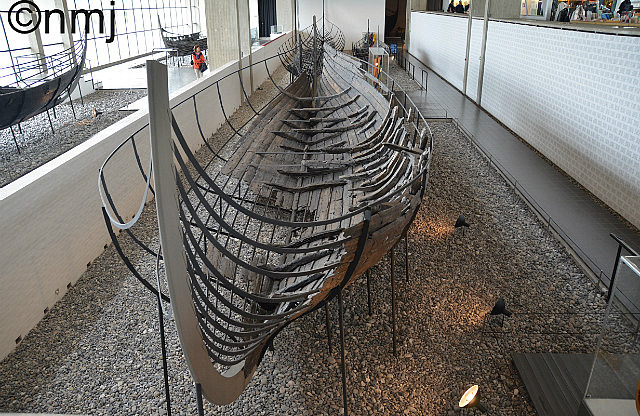
From Odense, it was off to Helsingor, which you might recognise as the same Elsinore written about by Billy Shakespeare in Hamlet. On the way, we went via Roskilde which has a great Viking Museum. Inside the museum, there are 5 ships that were sunk to block the channels into Roskilde Harbour when it was being raided in the Year Dot! When these ships were raised, it was discovered that they were from the Viking era and they have made a display of the remnants of the 5 vessels, with pictures and representations of the missing bits. They have also built full-size replicas and have proven the ability of the Vikings to sail/row to Ireland in the full-size replica of the Long Boat. It is simply amazing what they can do with carbon dating and such-like. They could tell where the trees grew and when they were felled that went to make the timbers that the boats were built from! How amazing is that!!
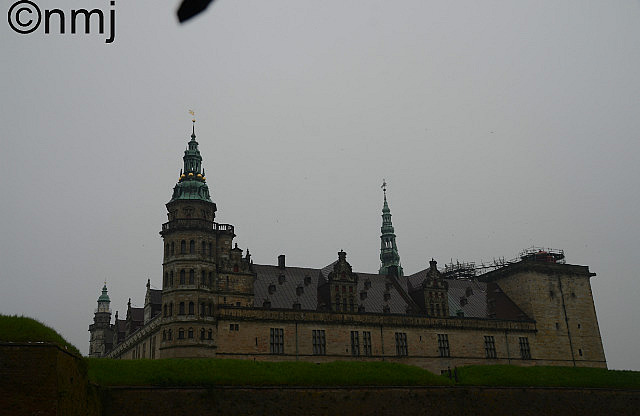
Mr Shakespeare didn’t check his facts before his said that this castle was Hamlet’s home.
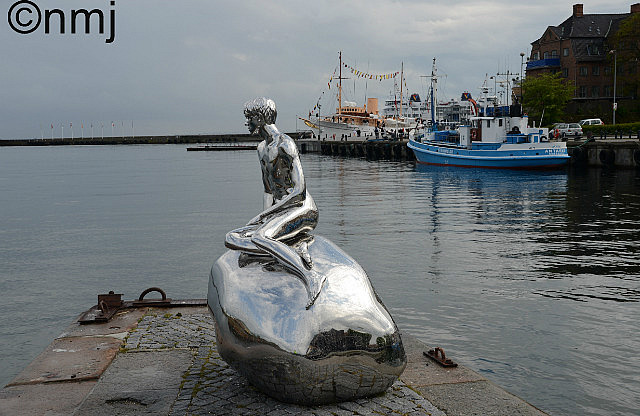
So once we arrived in Helsingor, because of all the rain we were encountering, we woozed out and stayed in the local Youth Hostel, which used to be a Count’s Summer House – so on the other side of the lawn was beach and water! It was a great view, it was just a shame that the weather was so bad. As it was a self-catering set-up, we managed a bit of relaxed cooking and catching up on our Danish television! Yes, we’ll admit it – we watched the Eurovision Semi-Finals! It turned out to be a godsend to stay in the hostel, staying warm & dry, because MJ was a bit unwell with a kidney infection. So exploring was kept to a minimum. But Nick had fun exploring the Maritime Museum and generally walking around the old part of town.
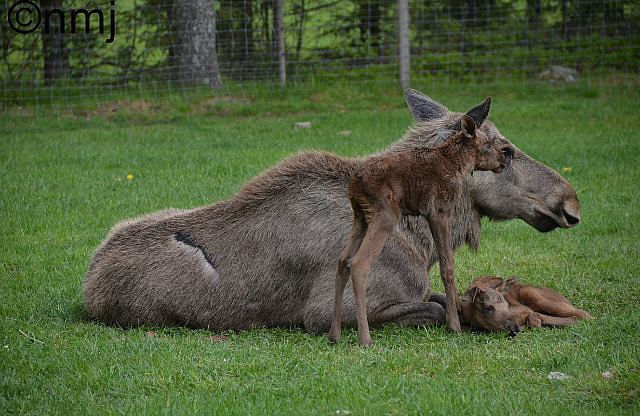
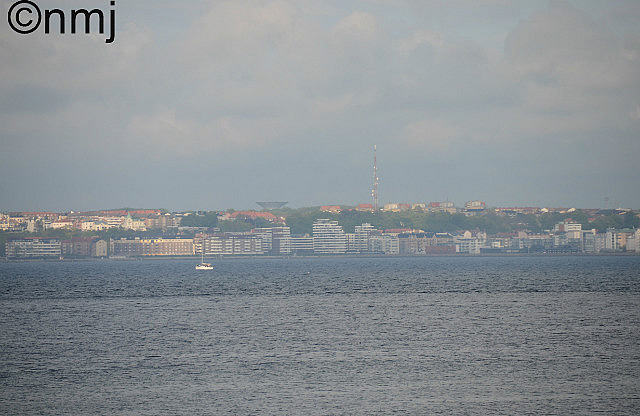
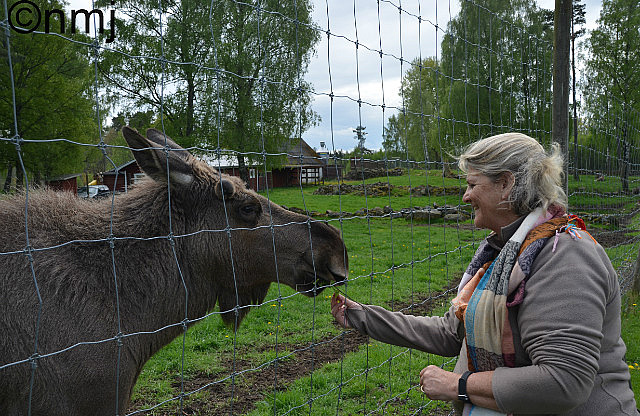
After only 20 minutes in the ferry, we were suddenly in Sweden. Yes, that’s how long it takes to travel from Helsinor (D) to Helsingbor (Sw) by ferry. In fact, you spend more time waiting to drive onto the ferry and then unload at the other side! Now it was time to start exploring Sweden. Yes, we wanted to go to Stockholm, but there is so much more to see in Sweden. On our way north to our first campsite, we decided to stop for coffee at a small roadside place. At this place, we saw some brochures for an Elk Park (aka Moose Park). We decided that we just HAD to see some Mooses (correct plural form apparently) and visited the Elinge Älgpark (www.elingealgpark.com) which has about 10 tame mooses, plus two sets of new-born twins. Two-day old mooses are so cute – all legs and nose! We also had Mooseburgers for lunch, which were super-yummy. We had a great time exploring the park, feeding and patting the mooses, as well as chatting to the owner and the Swedish Chef at the cafe – both of whom spoke very good English, unlike the Swedish Chef on The Muppets!
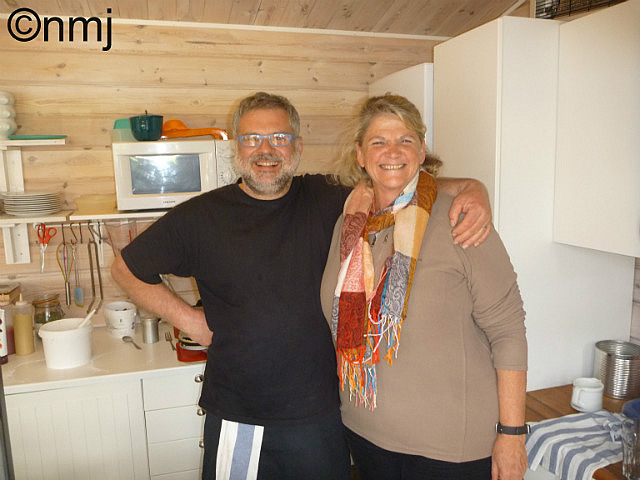
After our yummy lunch we continued to our first campground which was near one of the two big lakes in Sweden, near a town called Jonkoping (pronounced Yurnshurping!!). Great place to camp, right on the shores of the lake but it was a shame about the rain. We met some lovely Swedish people and had a great couple of days there. We visited the world’s only Matchstick Museum – it turns out that Jonkoping was the main centre for the development of the Safety Match and that over 80% of the world’s matches were and are still today, made in Sweden! We didn’t know that! Great museum – MJ even got to make a packet of matches! But she was so slow that she didn’t get paid.
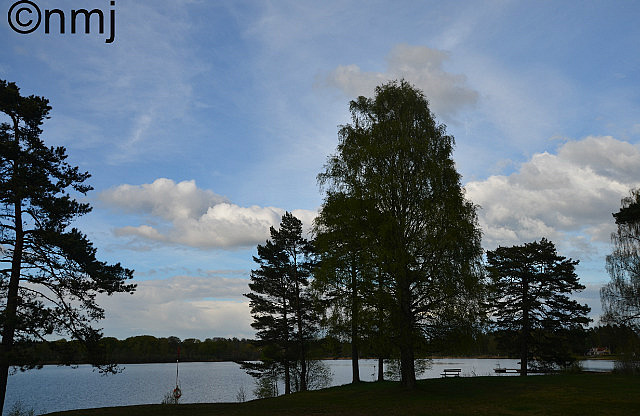
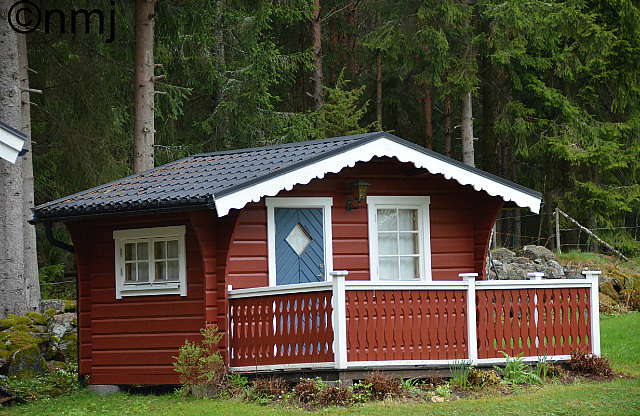
From Jonkoping we headed north towards Dalarna, which is a craft centre of Sweden. If you have even heard of or seen a Dala Horse (hand-carved and hand-painted wooden horse), this is where they come from. Because it was still raining, we found a farm-stay for a couple of nights, which was great because we were warm and dry, we could cook four ourselves and we also managed to catch-up on washing.
It was on a Dairy farm in a little village called Dala-Husby, near Hedemora, so we managed to explore and find some quaint examples of old Swedish architecture in the towns nearby. At the farm, they milk a typical Swedish breed called the “Swedish Red & White Breed” – original name, isn’t it! We fell in love with the scenery in Sweden – the lakes, the forests, the lovely little red & white houses and barns. The only shame was that the roads aren’t great, so because of the wet weather, Nick had to concentrate on driving and missed a lot of gorgeous scenery. One of our discoveries was The Silverringen – which is a tourist route that takes you around the silver mines and smelting places that were productive during the 1600s.
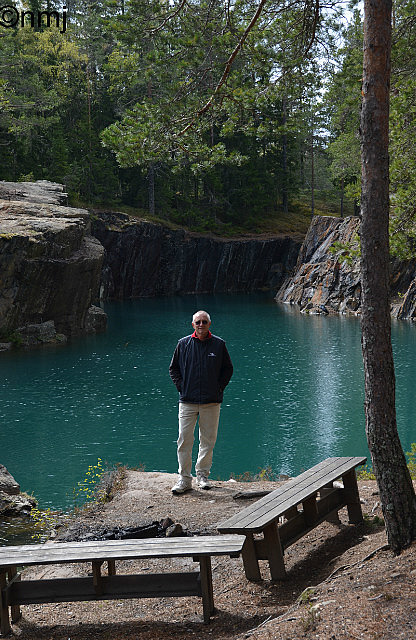
The water was an amazing blue!
From Dala-Husby, it was time to drive to Stockholm. We had found a campground in the suburbs which was near a train station and therefore very convenient for going into town. But sadly the Nick & MJ Tourism Jinx in still alive & well! MJ had listed some of the things that she wanted to see, which included the Riddarholmskyrkan, which is the church where the Swedish royals have been buried since Gustav Vasa. We caught the train into Stockholm, got off at Gamla Stan (the Old Town) and walked up to the Cathedral – to discover that it was closed! We were told that it was closed for Renovations. NOOOOO!!!
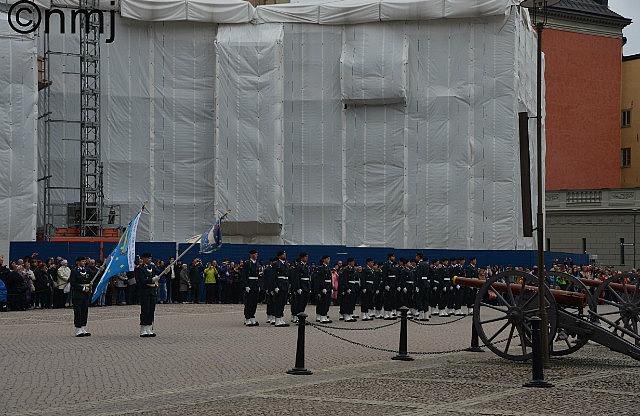
So, feeling rather vexed (ok, so downright cranky) we walked to the Royal Palace, watched the Changing of the Guard, explored the Royal Apartments and the Royal Treasury. We also visited the Cathedral where the Kings of Sweden were crowned, met some Aussies in a Souvenir shop, and thankfully discovered that the Burial Church would be open on the following day. It turns out that the Thursday (the next day) was the start of the Tourist Season! So on Thursday, it was time to pack up the tent again, pack the car again, drive into Stockholm so that MJ could get her fix at the Riddarholmskyrkan and then it was off to the Vasa Museum for Nick to get his fix of history.
Did I hear you ask why we had to go to the Riddarholmskyrkan? In her wide expanse of reading, MJ had read about a French woman called Eugenia Desiree Clary who was the daughter of a Merchant in Marseilles, who met and got engaged to Napoleon Bonaparte before he became anyone important, subsequently married a Marshall of France (Jean-Baptist Bernadotte), who was adopted by the Swedish King and founded the Bernadotte Dynasty, which is still the royal house in Sweden. So, of course, MJ had to see the graves of Jean-Baptist (Carl XIV Johann) and Desiree (Desideria), as well as their son, whose Godfather was Napoleon Bonaparte and who married the granddaughter of Josephine Bonaparte!

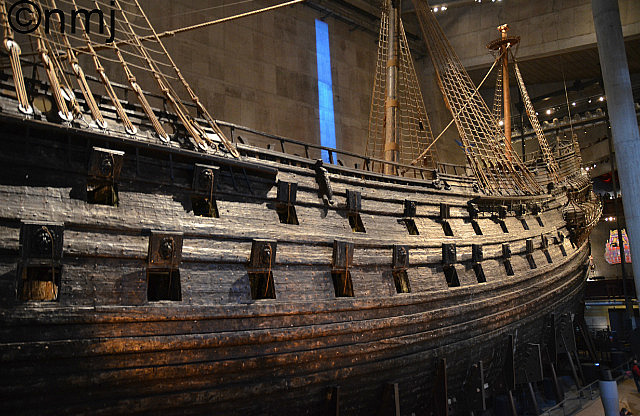
Nick’s history fix was a Vasa Museum, as previously mentioned. For those of you who aren’t into Maritime History, the Vasa was a ship commissioned by Carl Gustav for the Swedish Navy during the 30 Year War (Sweden vs Poland, and other Catholic countries). When the Vasa was sailed on her maiden voyage in 1628, she sank within 20 minutes of being launched! She was the Swedes’ first attempted at a ship with double-decker gun-decks, and she was too long, too tall and didn’t carry enough ballast, so that when a gust of wind came from the wrong direction, she just toppled over and sank! How embarrassing!! The wreck of the Vasa was located and raised in 1961 and they spent something like 25 years preserving her so that she could be put on display. Because of where she sank (dirty water, too cold for Toredo worm which bores holes into wood under water, she is a superb example of what ships were like – about 95% of the ship on display is original! And when the Poms raised the Mary Rose in 1982, the Swedes were there to give lots of advice and assistance on the best way to preserve her.
So our last day in Stockholm was great! Next stop will be Helsinki in Finland, but to get there we were booked on an overnight ferry from Sweden to Finland. We arrived at the dock in plenty of time, hoping to get onto the boat early, but I think that we ended up being one of the last vehicles driven onto the Car Deck! Thankfully, we had a comfortable cabin booked, a nice buffet dinner to look forward to and a pleasant sail through the Baltic Sea to Helsinki.
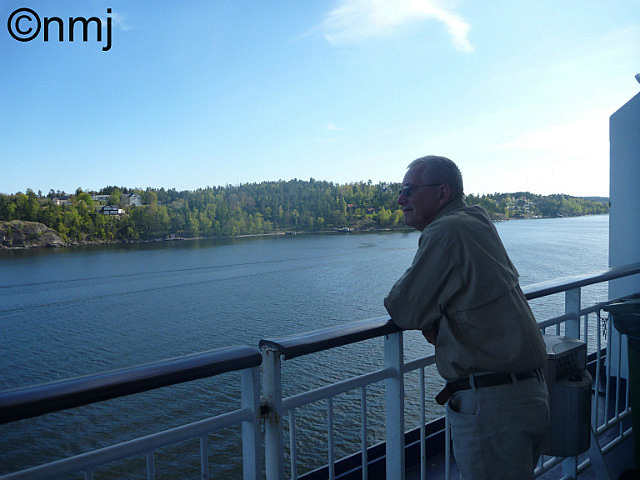
On our way from Stockholm to Helsinki.
Part II of Scandinavia will follow!

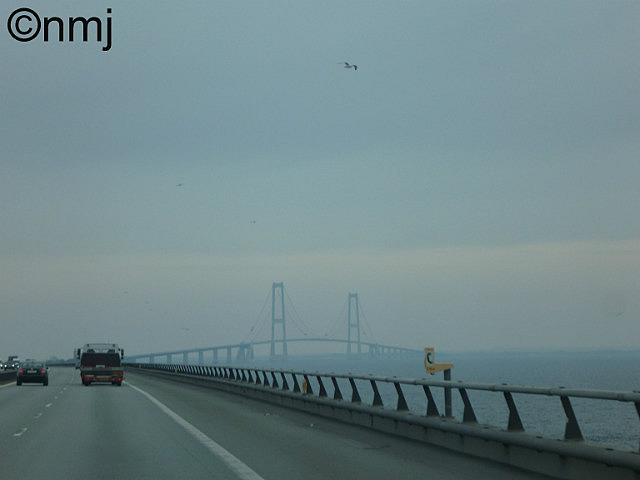
And it’s 15 kilometres long.
 Nick & MJ On The Road
Leave a comment