Fishguard, United Kingdom
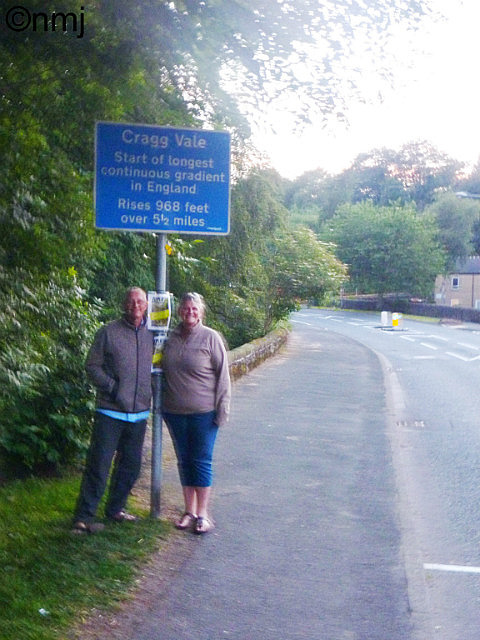
Our first port-of-call after HUBB was Manchester to visit our son, Tyson who has been living there since January 2014. But we also received an invitation to put our tent up in Ian Coates field. It turns out that he lives about an hour from Manchester, at the top of the Pennines in West Yorkshire. After having read all the James Herriot books, watching various television shows set in that part of the world, all we can say is how stunningly beautiful it is! And how gobsmacking it is to see what was built in the early days! Railway lines along ridges and across wooden trestle bridges, switchback roads that would seem to be a struggle for a Mini, dry-stone walls that criss-cross fields, lots of sheep – and the odd cow!
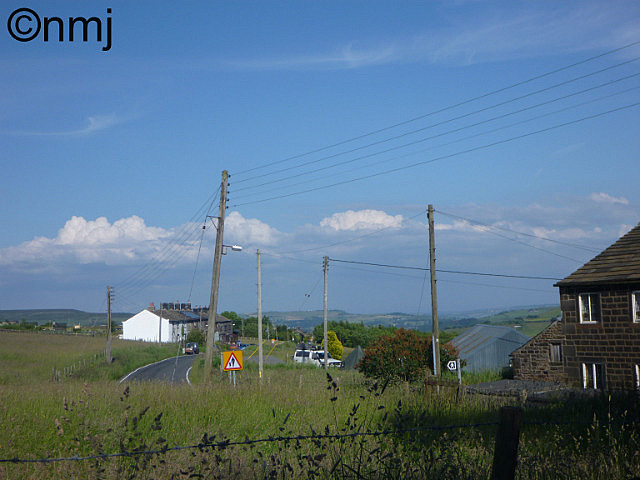
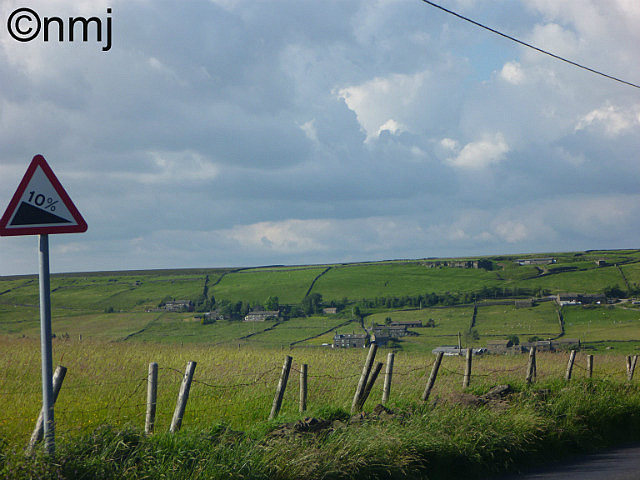
There are lots of old villages to explore and little pubs around every corner – do Yorkshiremen have a drinking problem or do they only go to their local if it is in walking distance? Initially, we hadn’t planned on visiting the Pennines area but we will definitely find our way back there to explore it a bit more.
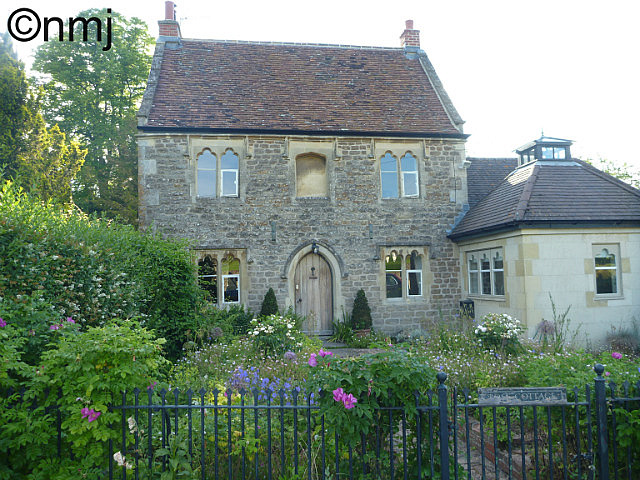
From Yorkshire, we headed south towards Oxford and spent a few nights in a gorgeous little village. Our hostess (Sally, who we met at HUBB) lives in a cottage that was built in 1625 and she has a thatched wall in her garden! The whole village is full of quaint little cottages, three pubs, one shop, 4 churches (2 no long in use) and the Manor House!
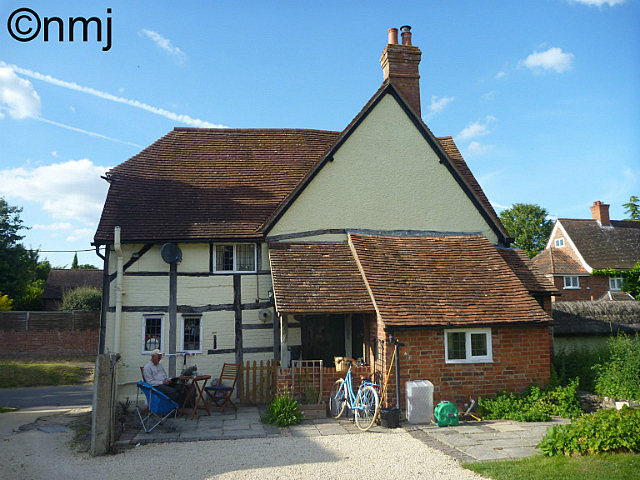
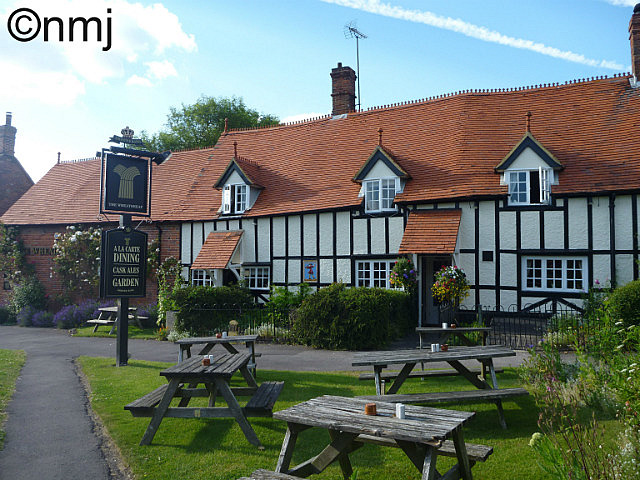
It was only a small village – but I’m not going to say that they have a drinking problem there but…!
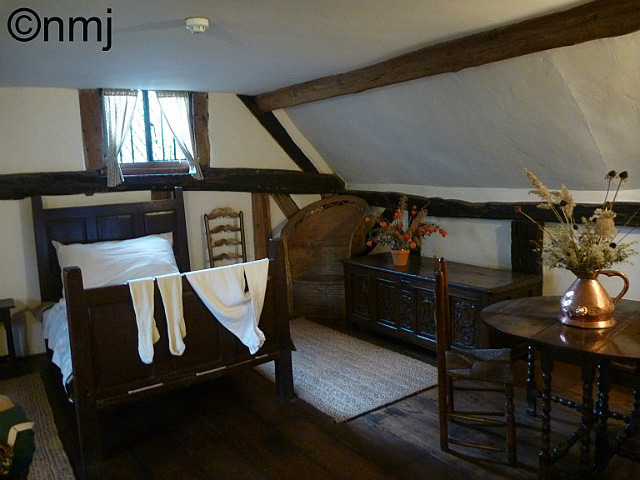
Again our plans had to become a bit flexible as we were only planning on spending a couple of nights but then we heard that the Old Wrinklies (aka Colin & Dee Masters) had had a crash on their bike and had sustained a few fractures, etc! So we have deferred our further exploration of Wiltshire until they are back up and able to deal with a couple of Australians, and Duggy! Thankfully, Sally was more than happy for us to stay camping in her backyard, so we ended up staying for 5 nights. Whilst there, we had a great day exploring Oxford, but I was a day early and therefore missed out on the Inspector Morse Tour. Instead we did a University walking tour and got to visit a few of the different colleges. We also got to see the area that was the set for the Infirmary in the Harry Potter movies. We also managed a side-trip to Reading, quite a bit of tootling around the narrow laneways in Oxfordshire as we explored around Stratford-upon-Avon and a visit to Anne Hathaway’s House, which has the most amazing cottage garden, and we ended up in Burford, which is a quaint village which is full of really gorgeous buildings.
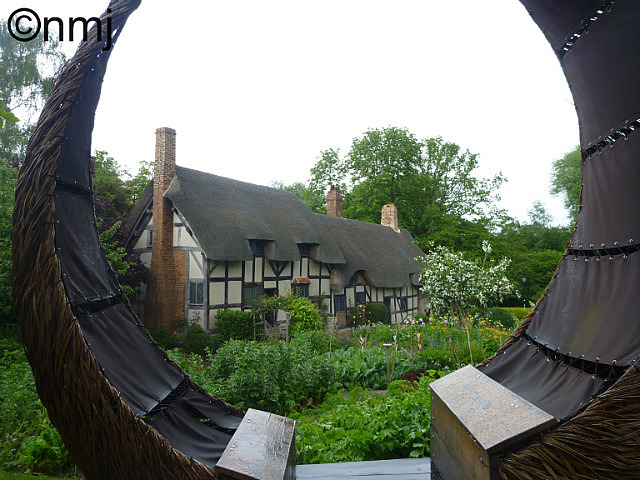
Stratford-on-Avon

in the Cotswolds Hills in west Oxfordshire.
As Nick was undergoing withdrawal pains from Spas as we had experienced in Germany, when we went to Bath, we decided to experience a two-hour soak at the Thermal Baths! It was expensive and very much focussed towards tourists, but it was nice to lie back and just float in the waters and then try their steambaths, or were they saunas? We had time to go to the Abbey so that Nick could see the memorial to Admiral Arthur Phillip, 1st Governor of the colony of New South Wales and then had lunch with Sally and the boys (Ethan & Xac). Another first for this trip was the train trip to & from Bath. It was a bit of a fight to find a seat and we had to hide a couple of seat reservation cards, but the trains were seriously overbooked! And on the way home, we encountered early departees from the Glastonbury Festival – whoever knew that muddy gumboots were a fashion statement!
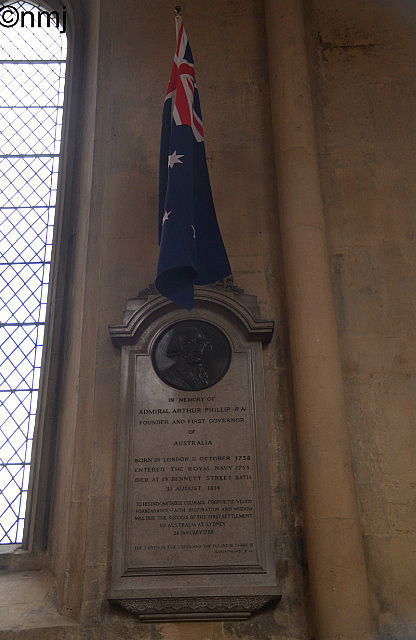
Colony of New South Wales
After waving goodbye to Sally and her family (and getting hugs from the boys), we were heading back down to Devon. Prior to Easter with had stayed with Graham & Marjool, and Graham was very interested in seeing the Troopy in person, so we went down there for a couple of nights. Because they were hosting some boys from Belarus, we couldn’t stay with them, but we put our tent up in a nearby field, with power, water and a composting toilet – better facilities than many campgrounds we’ve encountered!
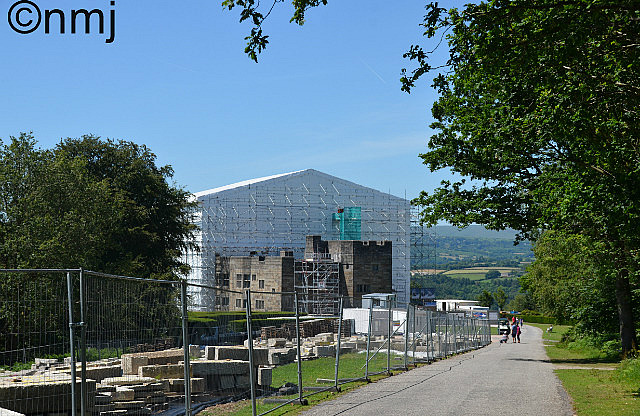
This part of Devon has plenty of National Trust options, so we had a great day exploring Castle Drogo, which is described as the last castle built in England. I probably wouldn’t describe it as a castle but more as a rich man’s folly! The man who wanted it built had managed to retire with a LOT of money at the grand age of 33! But because he made his money in “trade” he decided to build a history for himself and he wanted a medieval castle built but with all the 20th Century mod-cons. Sadly WWI delayed the building by about 15 years, so the Nursery Suite that was built was never occupied because by the time it was finished, one son had been killed in the Somme and the rest had also gone to war. So, I guess they had outgrown the Nurseries!
The National Trust had doing a five-year programme to re-roof the Castle as some of the modern inventions, such as bitumen were not conducive to a medieval castle and there had been over 100 years of major water seepage and damage. Therefore when we visited, 70% of the castle was swathed in coverings and not available to see. Instead, NT were experimenting with new tours to keep people interested. We did the behind the scenes Conservation Tour – which showed us how NT preserve furniture, silverware, brassware, etc and the damage that had been caused by previous methods.
For example, all those years I spend polishing the swimming trophies won by my sister and brother (Kate & Michael) probably caused more long-term damage than the short-term shine. When Clean Air Acts were introduced to reduce the amount of sulphur in the air, this meant that suddenly silverware began to tarnish more quickly, so the correct way is to polish once every 3-5 years, coat with a petroleum jelly-type product and then place into a cupboard with a sulphur-impregnated cloth that will release fumes slowly and therefore conserve the silver. Sounds easy, doesn’t it! And don’t ask them about Mr Sheen – NT HATE it! Again, they polish wooden furniture once a year, using a natural product, eg Beeswax and then in-between, they “huff & buff”, which means using a soft cloth, warming the cloth with your own breathe and then buffing. The warmth of your breath, heats the wax and repolishes. Isn’t is disappointing that all those labour-saving methods that my mother has complained about were a waste of time! Damn – you mean that Mum was right?
Our next port of call was going to be Exeter – yet another night with a new friend that we met at HUBB. Sam Manicom is a seasoned motorbike traveller, as is Birgit, his partner. Sam has written a number of books about his travels and now he is working on distributing them as eBooks and Audio Books. Sam is one of the rare people who have managed to make a living out of travelling – lucky bugger! We had a wonderful night with them, eating some great food, drinking, talking and lots of laughter.
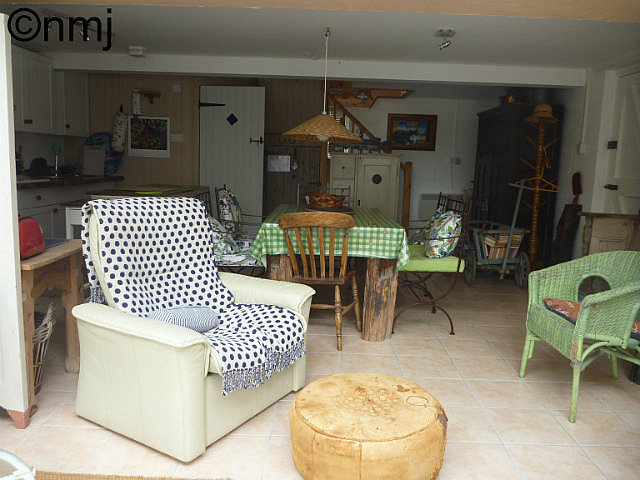
And now it was time to start heading towards Ireland, but we made just a small detour down to explore Cornwall. On our way down the road to the most easterly county, we encountered lots of rain. When we reached Hayle, where we had planned on stopping for a few days, we had had continuous rain and the thought of putting up the tent in the rain, and then sitting inside the tent in the rain was very unpleasant, and after looking at the weather forecast on the phone which showed continuing rain over the weekend… what more do I need to say, except that after a bit of ringing around, we found a self-catering converted Dairy for only £55 a night. Julie (the owner) gave us a discount – maybe she took sympathy on two woe-begone Australians, but the Studio was gorgeous! It had everything that we needed to prepare meals, sit back and relax watching some television, hot showers and then – the sun decided to stay out all weekend!
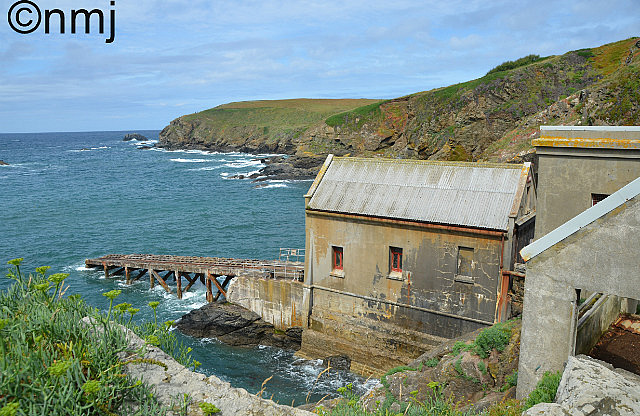
Lizard Point
So we ended up having a great weekend in Cornwall. We went to Lizard Point (most southerly-point of Britain), Mount St Michael (why is it the same name as Mont-St-Michel?), to the National Maritime Museum in Falmouth, visited a local Cidery (?), MJ got to go to Penzance (something about looking for Pirates), and we visited another NT property – this time it was a garden called Trengwainton. They even have a Wollemi Pine there and a huge Kitchen Garden built to the dimensions of the Ark (!).
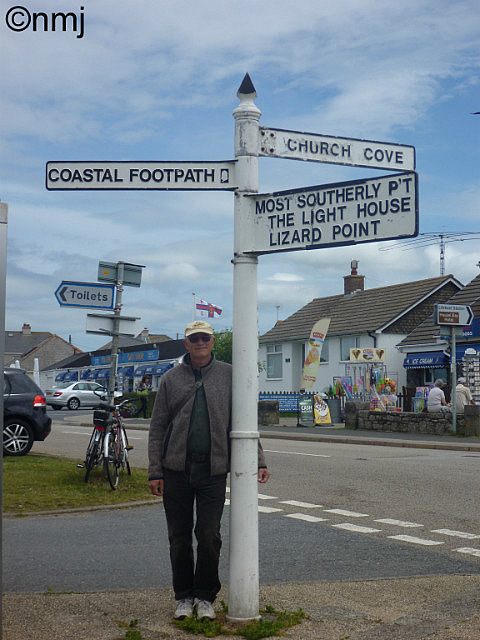
We were continually amazed at the way locals drive along the narrow laneways (they call them “roads”), at speed and without any thought of oncoming traffic. The only good thing was that they always backed off when they saw the Troopy – those bullbars look awfully big! But after despairing of our GPS because she always takes on the most direct route, regardless of the sort of road we travel over. As a result of this we have been sent down a variety of goat tracks, overgrown footpaths and have been incredibly frustrated, so we thought that we would review the default settings and have tried a new setting (“Easy”). Suddenly she is taking us down “A” roads – Yippee!
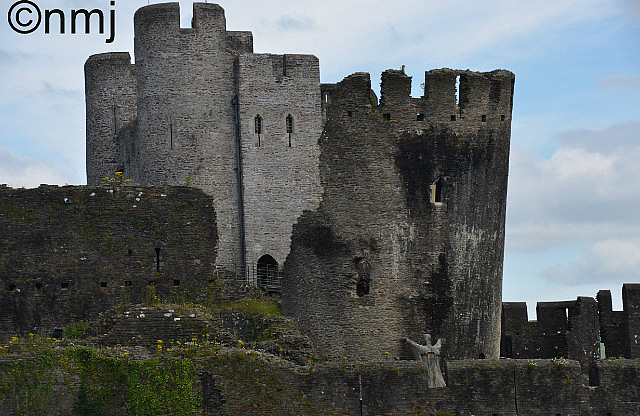
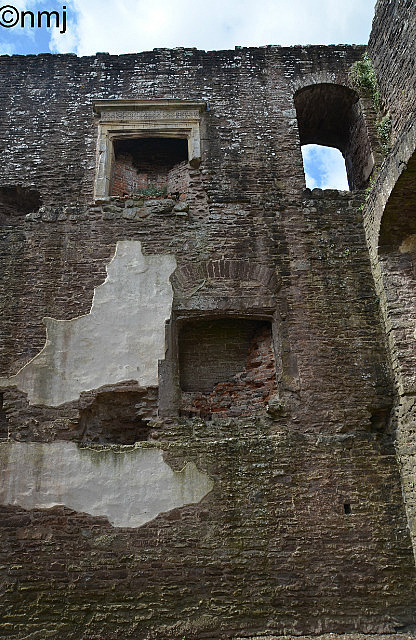
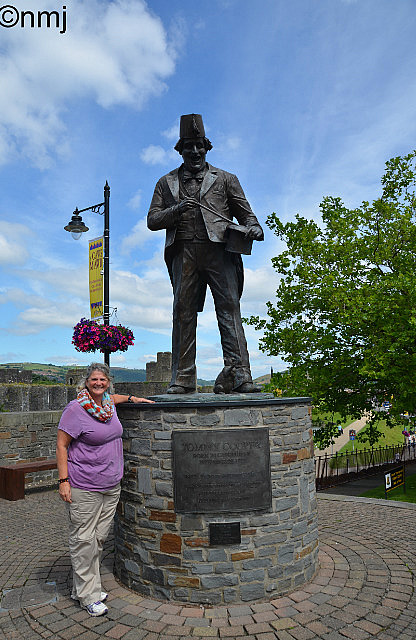
I know that Cornwall is a bit of a detour when you are travelling from Exeter to Fishguard but now it was time to say “Till Next Time” to Cornwall – yes we will be back, and start travelling across Wales. We stopped for a couple of nights and camped behind a local Pub in a place called Pandy and the Pub was called “The Rising Sun”, which we thought was appropriate. Whilst there, we explored the remnants of English (aka Norman) castles built to subdue the Welsh but which were destroyed by Cromwell’s troops during the Civil War. In two days we managed to visit Raglan Castle, Monmouth Castle and Caerphilly Castle. Seeing these huge castles in ruins really made you wonder at what it took to build them in the first place, and then at the vindictiveness of the people who ordered the destruction. But in the end, the Roundheads lost because people are still interested in seeing the ruins and learning about what they represented, and they are prepared to pay good money to do so!
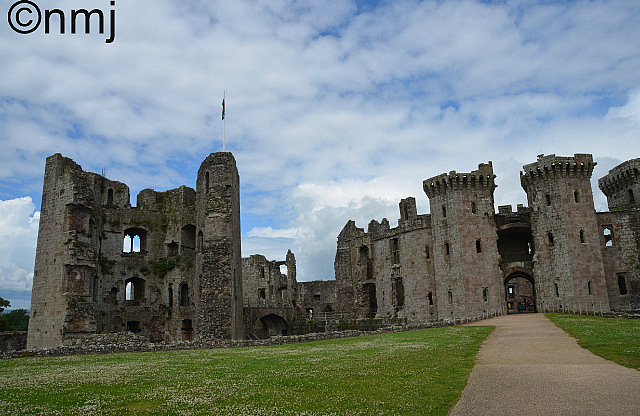
Damage to this castle was courtesy of Cromwell and his men!
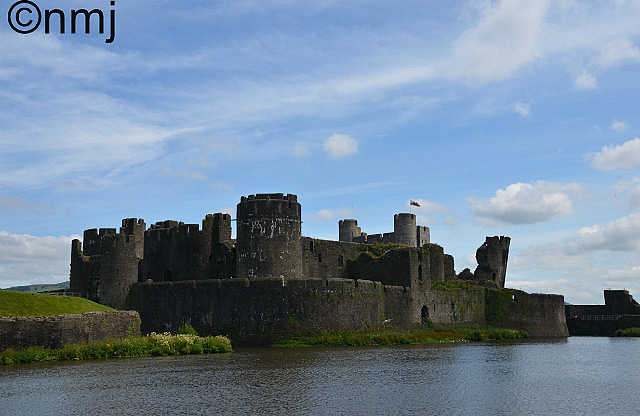
Another ruin courtesy of Cromwell – destructive bugger, wasn’t he!
Our last night in Wales was in a campground overlooking the harbour at Fishguard. After looking at the permanent building around the campground, Nick is positive that the headland must have been a military post to protect the port during either of the wars and were probably only disposed of by MOD in the 60’s when some enterprising person thought “wouldn’t this be a good spot for a campground”. The result is a well-appointed campground with a stunning view (in good weather) – ok it is a pretty amazing view even in poor weather!
But now we are off to Ireland, which will be the most westerly landfall of our explorations on this trip. We have allocated three weeks and we’re madly looking at guidebooks, maps and on the internet to try and plan an itinerary. Oh heck – let’s just let it happen!
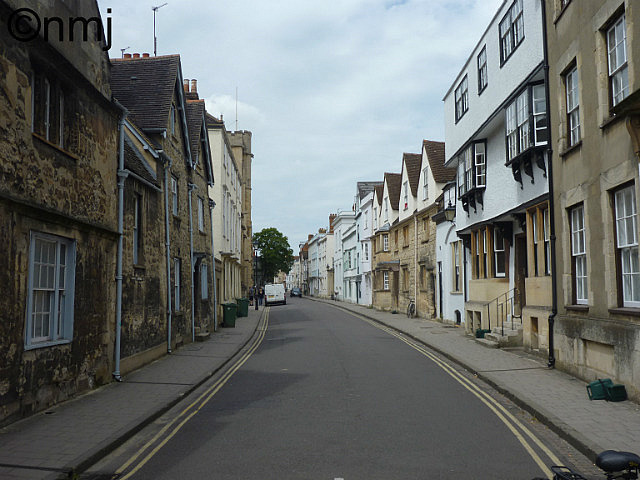

This was also at Oxford
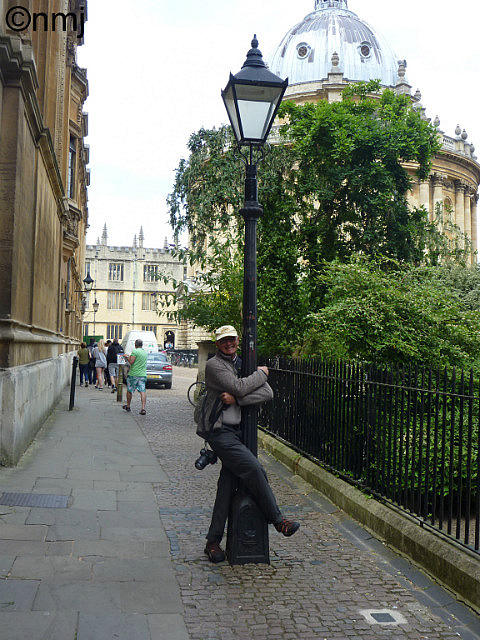
This lamppost is supposed to be the lamp post that inspired the lamp post in C S Lewis’ tales of Narnia. The story of how it appears in Narnia is part of “The Magician’s Nephew”. There are carvings of Mr Tumnus, the faun over the doorway near this lamp.
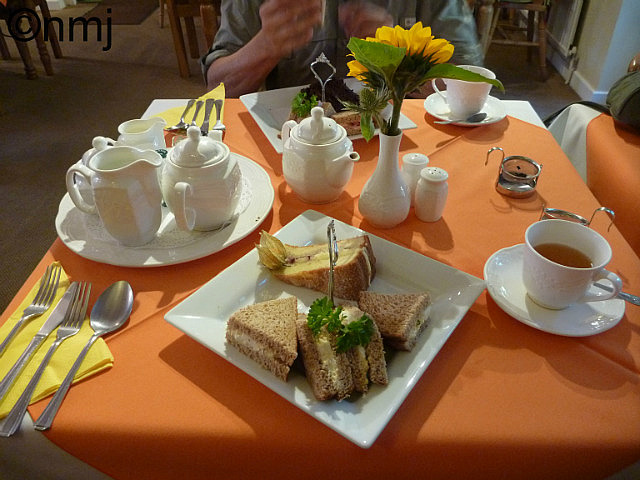
We weren’t hungry after eating this!
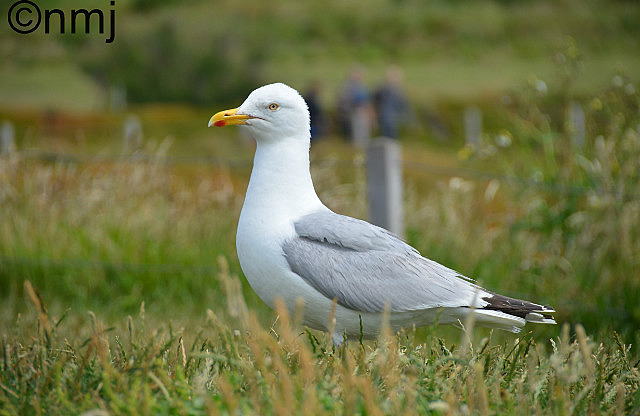
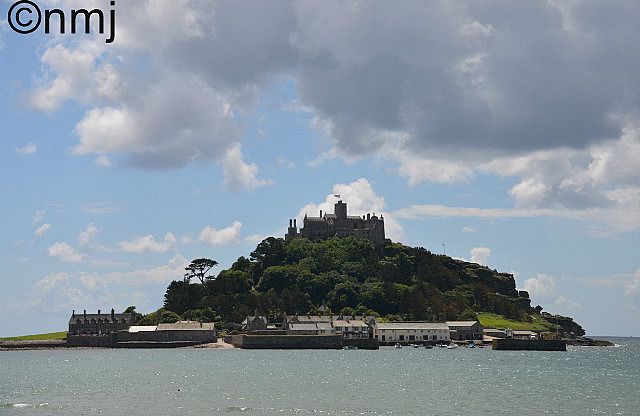
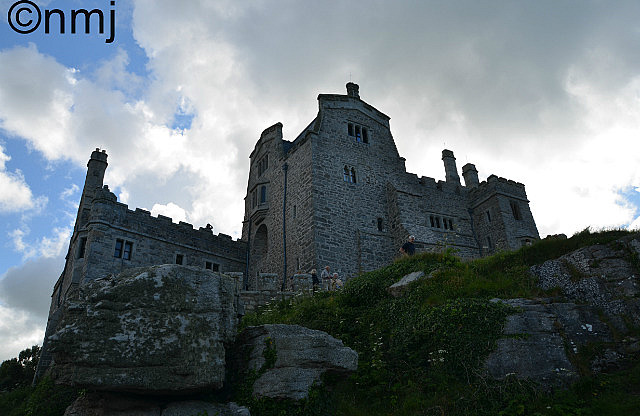
in Cornwell.
 Nick & MJ On The Road
Leave a comment