Penyffordd, United Kingdom
One of the things that happens when you travel for a long time, is that events continue to happen at home and sometimes these events are sad! Since leaving Australia in April this year, we have heard of the deaths of some dear friends and, sadly today, we must include Mary-Jane’s aunt, Jean Read to this list. We know that Eberhard Helwig, Peter Baumann and Jean were all readers of our blog and that they enjoyed reading of our adventures. They had been keen travellers in their time and so, we will continue on our travels, taking the time out to remember our friends and family that are no longer with us.
Despite travelling without commitments, occasionally we find that we have committed ourselves to be somewhere at a particular time. This happened at the beginning of August, when we heard that a good friend was turning 70 and was planning a big party. So, of course, we had to be there! That meant that when we landed in Liverpool, after overnighting in Manchester, we headed across to Whitby, which is on the east coast of England.
Now, when you look at a map of England, it doesn’t look very big – especially by Australian standards. So, it is very easy to think that it won’t take long to drive from one side to the country to the other. And, in distance, it wasn’t very far, but when it comes to the English system of M-Roads, A-Roads & B-Roads, as well as the volume of traffic and the weather, then what seemed like a short drive turns into an interminable journey! And then add a road-closure across the Yorkshire Moors due to a traffic accident at the Hole of Horcum!!! Need I say more??
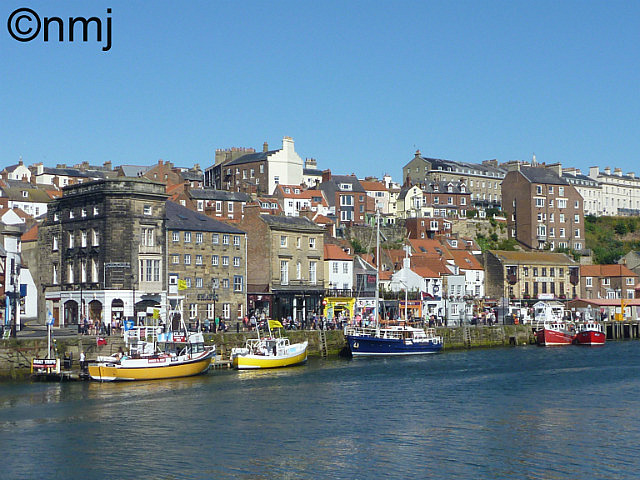
Such a rarity – the sunshine, that is!
And Whitby has strong connections with Captain James Cook.
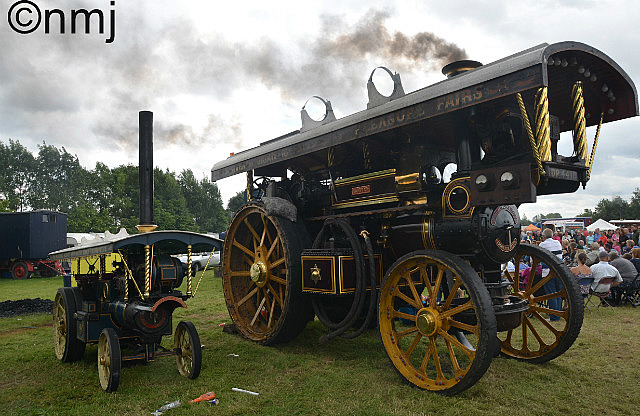
A boys’ day out!
But, we finally managed to arrive in Whitby and catch up with Dave & Biddi Wharton. Nick first met Dave in 1988 when Dave came to Australia for the Bi-Centennial celebrations and brought a Cobble with him. What’s a Cobble, I hear you ask? A Cobble is a type of boat that is particular to Whitby and Captain James Cook is alleged to have first learnt to sail in one! Anyway, over the years, when Dave & Biddi have come to Australia and when we have visited the UK, we have gotten together and had fun times. And Dave’s 70th Birthday was no exception!
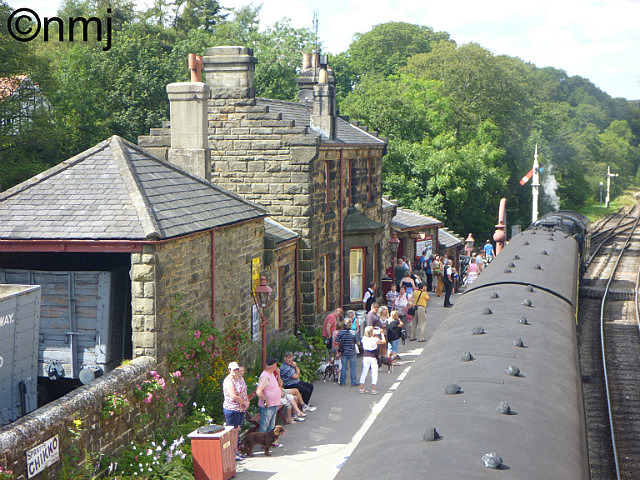
or Hogwarts??
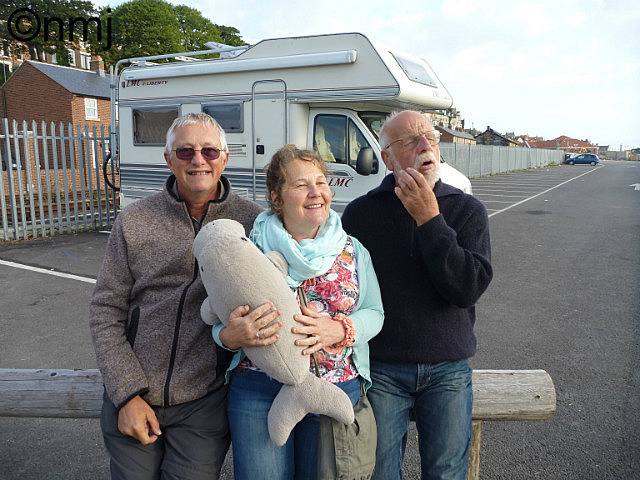
the birthday boy!
Dave and Biddi have bought an old boathouse on the River Esk and, over the last couple of years, have been turning it into a Summer residence. With the changeover to the Motorhome, we were able to make a major contribution to the home improvements to The Black Shed (as it is called) and in the future, Dave & Biddi will be able to enjoy having a shower courtesy of an immersion-pump shower that we no longer needed!
Whilst in Whitby, Dave & Biddi had arranged accommodation for us in the old part of Whitby and we were staying in a little cottage that was just below the Abbey. No parking, so the Troopy stayed parked in the Boatyard near the Black Shed and we walked back and forth between both establishments. Many thanks to Sarah for her generosity in providing accommodation – we loved the little cottage. The weekend that we arrived in Whitby, Nick got his dose of Boys’ Toys by spending a day at the Festival of Steam in Pickering. He got a chance to see Traction Engines, steam-powered pumps, all sorts of steam-powered stuff
As mentioned in our previous blog, we have bought a Motorhome. Whilst we were in Whitby, we were trying to arrange insurance for said Motorhome. We were amazed at how difficult it was – were we British residents; we didn’t have any experience with driving a Motorhome; we didn’t have a UK driver’s licence; the list seemed endless. Anyway, after making a quick phone call back home and thanks to Bill McKenzie (an old workmate of Nick’s from the Fire Brigade), we were able to provide evidence that 30+ years experience of driving a Fire Truck under emergency conditions was worth more than 12 months of insuring and maybe driving a Motorhome. Whilst we got the necessary insurance, it cost us an arm and a leg! The funny thing was that, after about 10 days, we decided to add MJ to the insurance so that the driving could be shared and we got a £50 refund!
But, we arrived in Oxfordshire – thanks again to Sally & Stef for letting us stay at their place whilst they were on holidays. Whilst staying in Oxfordshire, we managed a catch-up lunch with a fellow Vierdaagse-junkie (love you Angie!) and picked up our new Motorhome.
So then we drove down to Devon to hand over our beloved to Troopy to the new owner and then it was time to learn how to live in a Motorhome. The benefits of Oscar are – a solar panel that feeds two Auxiliary (or Leisure) batteries, a shower and toilet, a 3-hob stove, with a griller and oven, as well as a fridge. We installed our car-fridge into the boot as a second fridge to keep the drinks really cold. We have unpacked all our clothes and are enjoying this new way of travelling.
From Devon, we headed down to Cornwall, via Plymouth, where we sampled a Certificated Location. What is a Certificated Location? Well, if you belong to The Caravan Club, then these are private locations (usually farms) where there is room for 5 caravans to set up. Sometimes they have power but they all generally have fresh water as well as the facility to dump grey water and empty the toilet. Whilst in Plymouth, we visited the Mayflower Steps and discovered that they were also the starting point for the colonisation of New Zealand in 1839.
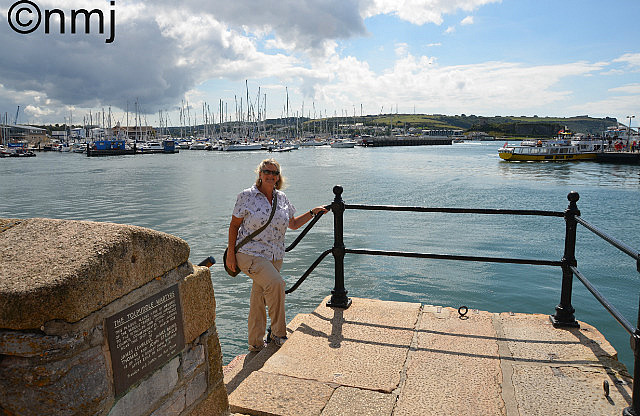
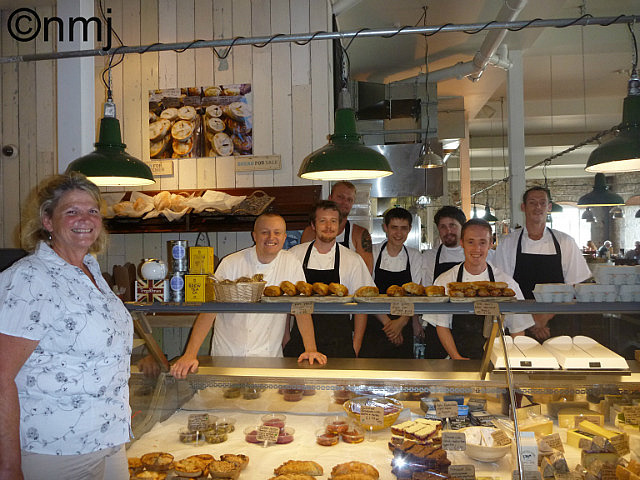
Two other memories stand out from our day in Plymouth – the ignoramus in the Citroen 208 that parked in the only Motorhome space in the carpark and when we asked him to move to another empty car space, he demonstrated his lack of intelligence by being a foulmouthed lout. Thankfully after about 10 minutes, whilst we were still trying to locate another Motorhome-friendly car park, he returned to his car, made some sort of rude & totally facetious comment and drove off. Anyway, we were able to park and go exploring – but we did learn that sometimes it would be a trial to park the Motorhome. The second memory of Plymouth was lunch in the River Cottage Cafe which is located in the Prince William Victualling Yards. Sadly, Hugh Fearnley-Whittingstall wasn’t there but we had a super-yummy lunch and then cycled back to Oscar, thereby working off the extra calories we had consumed!
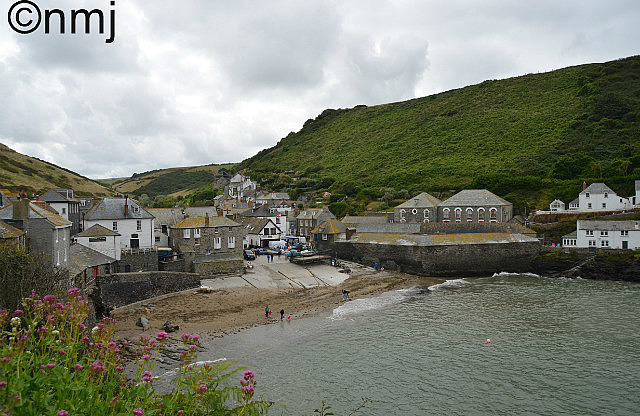
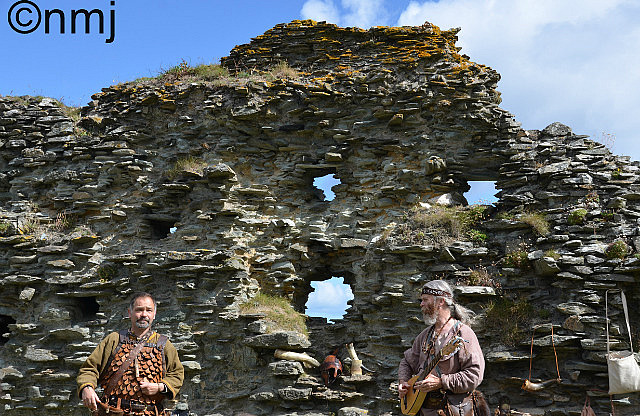
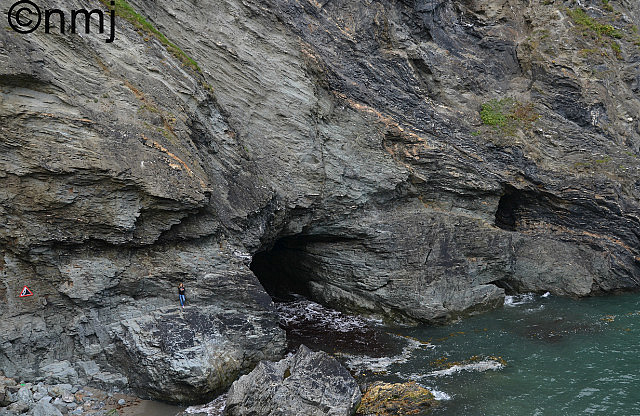
So onto Cornwall and time to explore Bodmin Moor which is in the middle between the north and south coasts. This is also the location of the Jamaica Inn, which was made famous by Daphne du Maurier in her novel of the same name. It turns out that DdM lived in Cornwall and loved the Moors, and wrote a number of books that were set in that region. We also visited Port Isaac which is the location for Doc Marten, a visit to Tintagel (think King Arthur) as well as a few more National Trust properties. Are we turning into National Trust junkies?? YES!

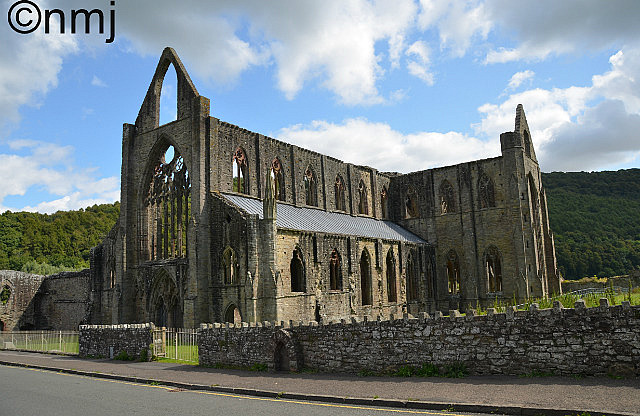
Next it was time to return to Wales and head up towards the north-western section, but on the way we stopped at Tintern Abbey which was a huge Cistercian Abbey (largest in Wales) that was destroyed as part of the Henry VIII’s Dissolution in 1536-41. But I think that Tintern Abbey’s biggest claim to fame was it’s starring role in the file “The Omen”. Have you seen the film? Then if you remember the scene where the priest gets killed – that was filmed in the Abbey Church!
We then continued on our trek and had the chance to sample something new – courtesy of being in a Motorhome. In some Welsh car parks, you can park your Motorhome for the night and stay in the car park for the princely sum of £1-00! So we went off to stay the night in Brecon and tried our cheapest night of accommodation (in the Motorhome – so far) and also visited the Regimental Museum of the Royal Welsh.
Now this would have to have been one of the best Regimental (or Military) Museums we have visited on our adventures so far. The Royal Welsh, as they are now called, are a combination of a number of Welsh Regiments but probably the most famous are the 24th Regiment of Foot. Of course, you all know who I mean… you don’t?? Think “Zulu Wars” (yes, another movie) – the soldiers of the 24th Regiment of Foot were at Rorkes Drift (subject of the film) and also have the “honour” of winning the most VCs in a single battle.

When we were in Ireland, we saw some Red Kites and heard all about their re-introduction. So, when we were around Brecon, we heard about a Red Kite Feeding Station and felt that we had to visit. The Feeding Station is a largish bird hide where Red Kites have been fed for the last eight (8) years – they are fed offal and bits of meat (apparently they don’t like small children) every day and we thought that they were feeding maybe a dozen birds, but we were wrong – they feed somewhere in the region of 30 birds every day. During winter, the numbers can increase to 100 or more birds. About 20 minutes before feeding time, the birds were arriving and circling the area but when the food was thrown into the field, it was amazing to watch them circle the food, check that it wasn’t going to run away and then swoop for the “kill”. There was even a huge Buzzard that came in for a feed too. It was truly amazing to see!
Further exploration into Wales brought us to Criccielth, which was where the David Lloyd George, the Welshman who was the British Prime Minister during World War 1, was born. We were amazed to hear about his life and especially his early political career – he was responsible for introducing the Old Age Pension and National Health in the years before WWI. We visited the home where he grew up (his Uncle’s home) which is in Criccielth, and it is also the location of his grave. And then it was time to head off to Caernarfon to see another old Castle ruin.
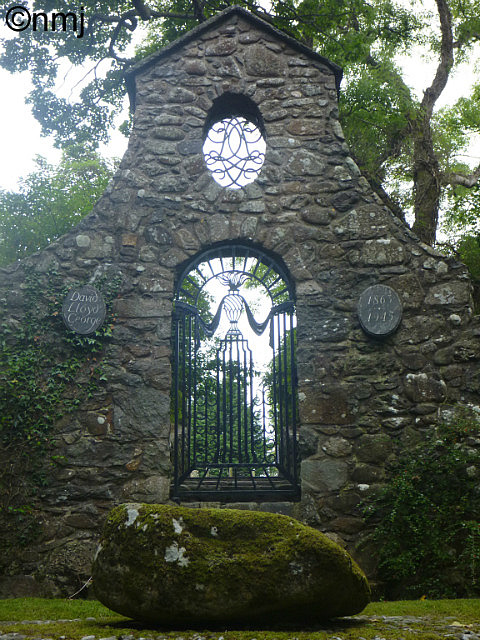
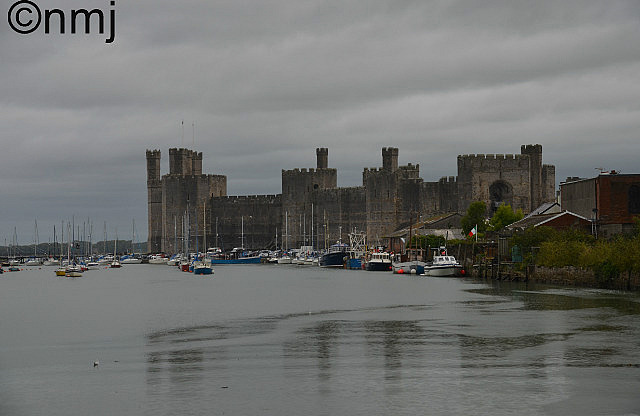
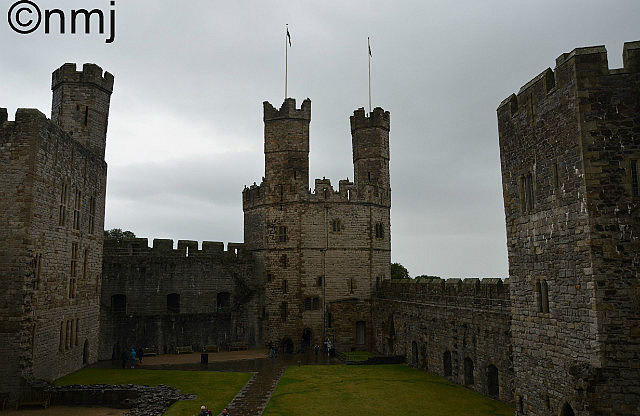
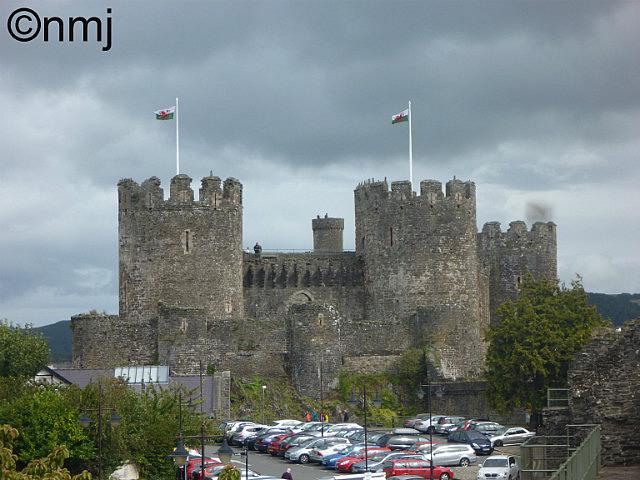
But this one has connections with the 20th Century – it was the site of Prince Charles’ investiture as Prince of Wales when he turned 21. The Castle was originally built at the order of Edward I to control those pesky Welsh! And, yes Dave, we visited the Museum for the Royal Welsh Fusiliers!
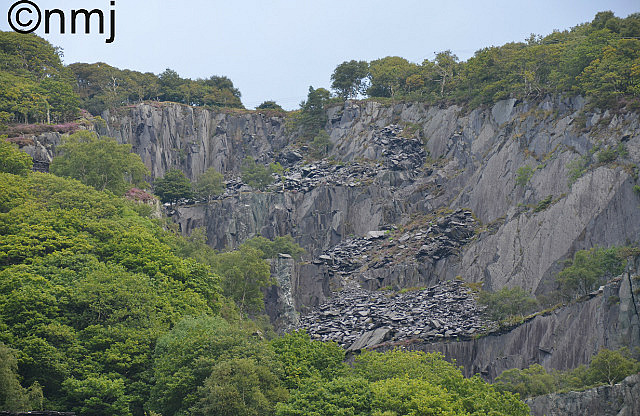
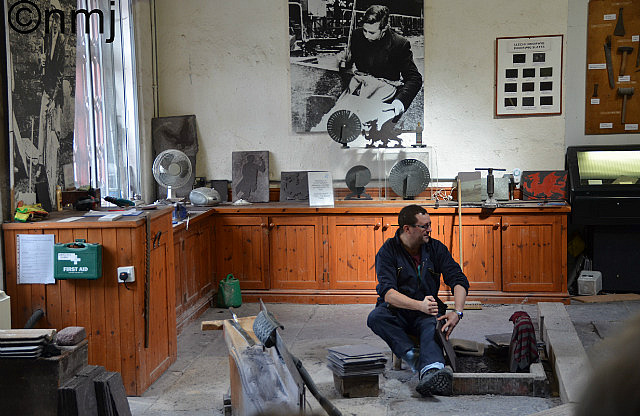
Our next stop was Anglesey which is almost the most north westerly point of Wales. Time for a bit of shopping, washing, relaxing (it’s tiring visiting all those castles, museums, and stuff!) and some easy driving to look at the scenery. One thing that we saw a lot of in Wales were stone walls (dry stone walls like we have seen in Ireland and Yorkshire), but here we are also seeing a lot of construction in slate. And this was when we discovered the National Slate Museum. In it’s heyday, there were a lot of slate mines in Wales – some were underground mines and some were open-cut mines. Most of the mines have now closed, but only three remain open. At the Slate Museum, we saw how they would cast all the pieces of metal that were needed to mine, prepare and move the slate. We also saw them splitting slate slabs for roof slates. It was amazing to see how thinly the slate would split naturally. And since then, we have seen so much 17th-18th Century construction with slate – door steps, lintels, door frames, gate posts as well as roof slates.
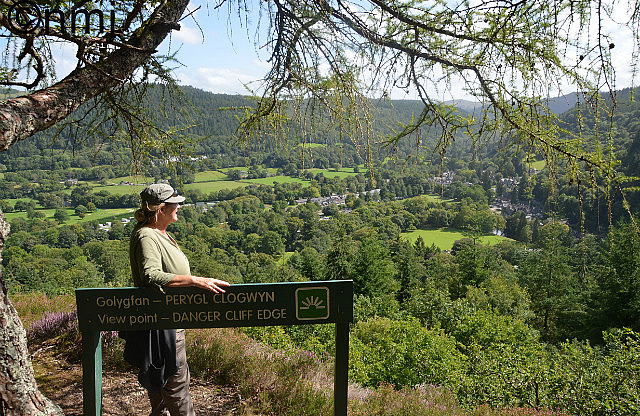
If you look at a map of Wales, you will see that we are now up in the Snowdonia National Park. Snowdon is the tallest mountain in England and Wales and the area is really beautiful and popular for mountain climbing and walking. So we decided to stop in a small town called Betys y Coed and went for a walk in the nearby hills. It wasn’t a really long walk, only about 3 miles, but it was up and down, so we got a great view across the valley. In this area, bee-keeping is also a huge enterprise and we visited the National Bee Centre, as well as a Queen Bee Breeding Centre. We feel very inspired to try and have a hive on our farm when we start building it up.
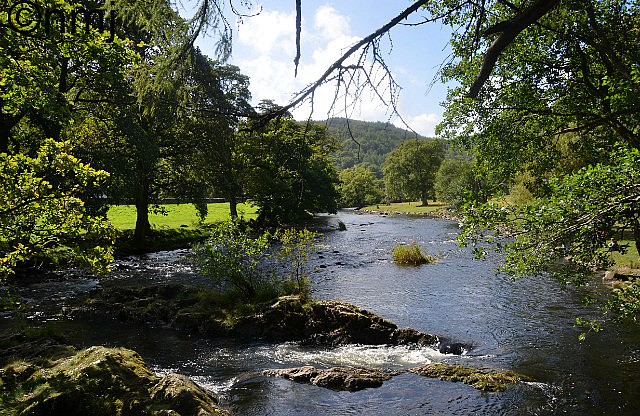
Our last two adventures in Wales were a narrow boat ride in the Llangollen Canal and a visit to Chirk Castle. The Llangollen Canal was the brainchild of Thomas Telford and is an engineering marvel. The Canal crosses the Dee River on Aqueduct which is 126 feet (38.4 metres) high. The only downside of travelling in the Narrowboat is that it is seriously s-l-o-w! We were passed by pedestrians who were walking along the towpath!
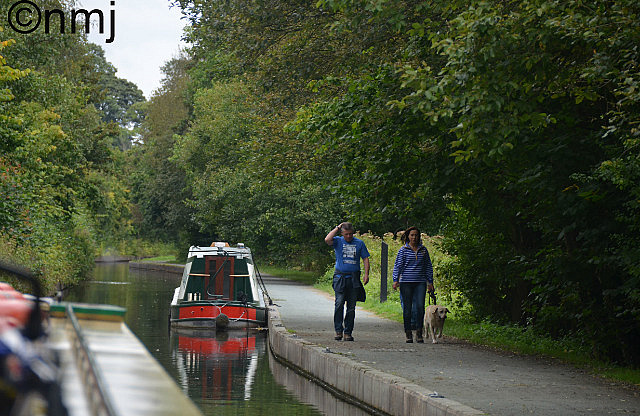
This was the view along the canal from on the Narrowboat.

And finally to Chirk Castle, which is another of the castles built at the order of Edward I, but it is the only castle that is still in one piece and occupied as a residence. The rooms are amazing, the below-stairs displays were stunning (boy, am I glad that I wasn’t alive then) and the gardens were gorgeous – and we were blessed with glorious weather for our visit so we enjoyed walking around the gardens in lovely warm sunshine. And, yes it is another National Trust property. I’m losing count, but we have certainly seen a good number of NT houses and gardens and we are loving the value for money we are getting from our NT membership!
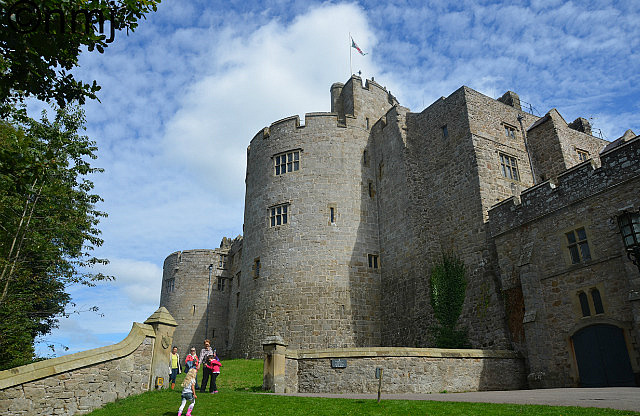
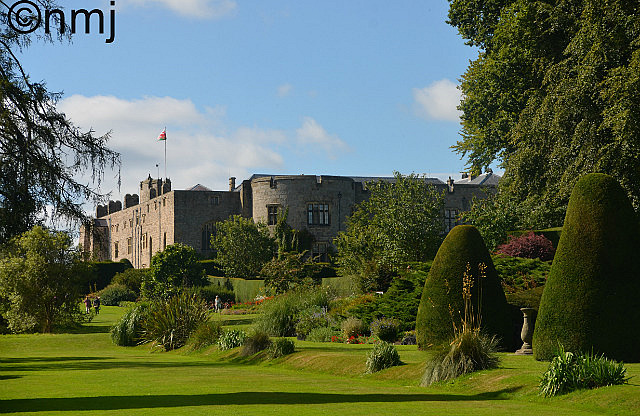
We loved the gardens – they were superb!
After sampling Welshcakes (yummy) and avoiding ******s (pig liver, oats, herbs mixed and wrapped in stomach lining), we had pretty well ‘done’ Wales. And what happens after Wales??? I’m sorry, but you will have to wait for the next Blog instalment!
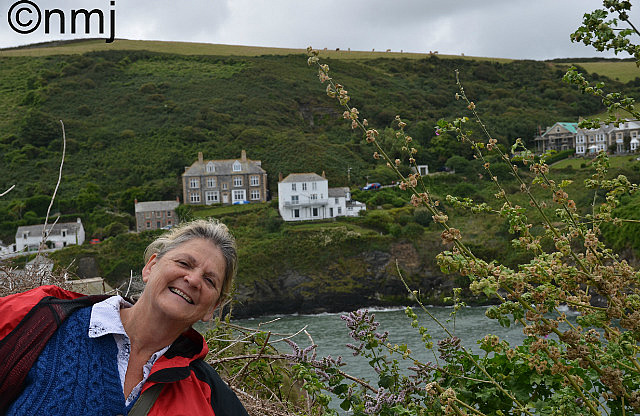
And yes, this is Port Issac
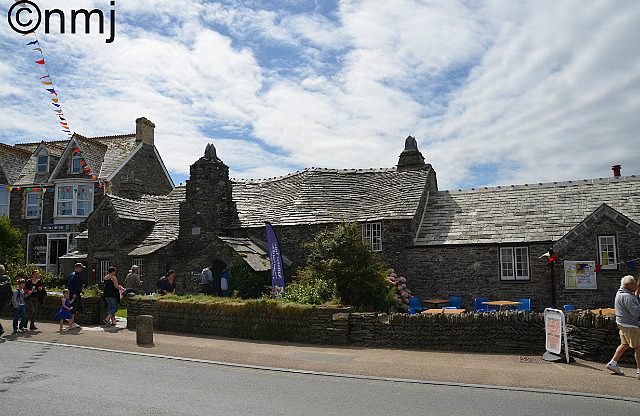
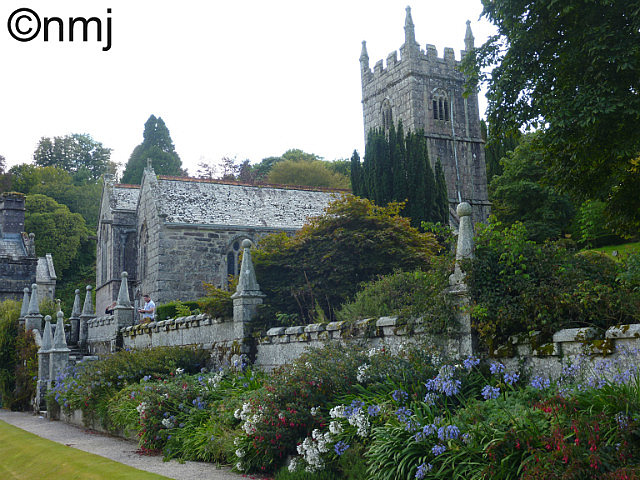
Love the roof-line and yes, it’s another NT property
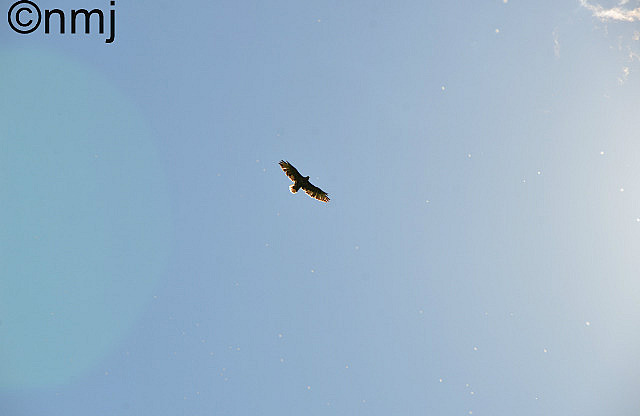
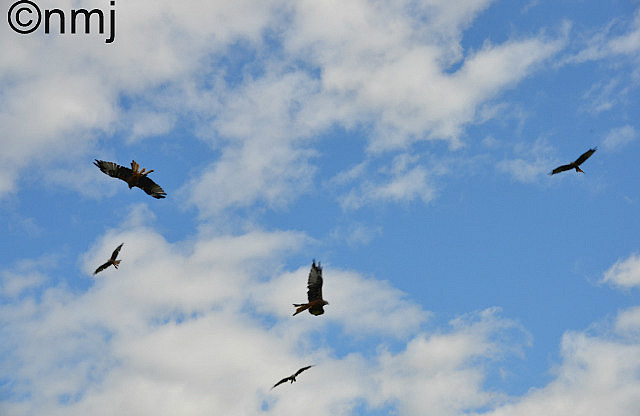
Suddenly, there were more! But is was almost impossible to get a decent photo as they kept swooping and flying around!
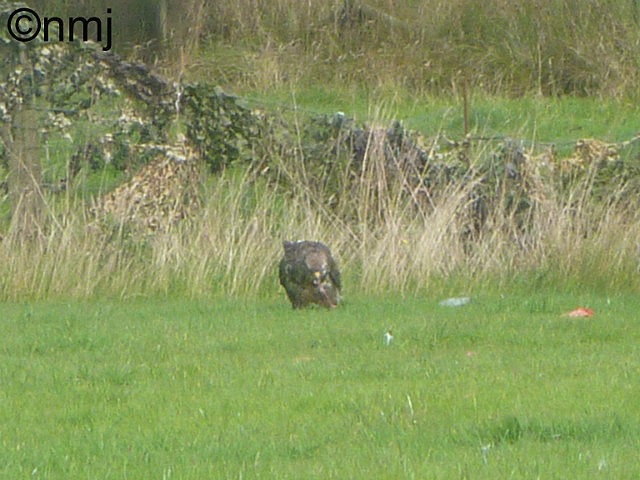
and gorged!
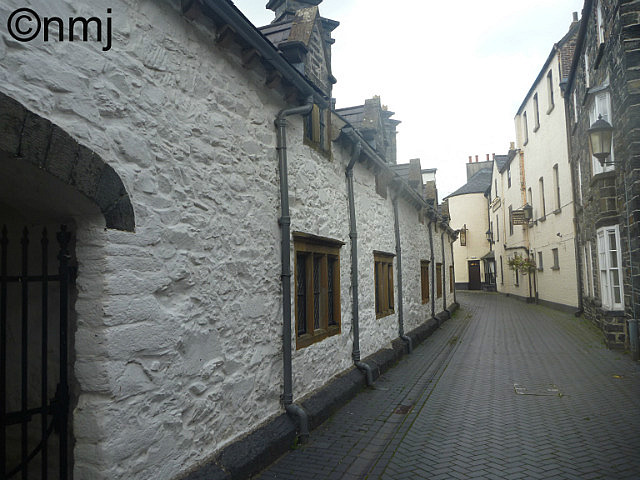
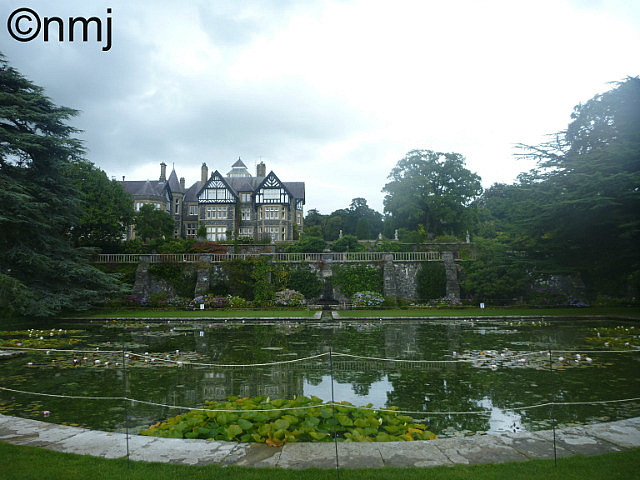

This “pool” was apparently used by Bernard Freyberg VC (7th Governor General of New Zealand) to practise for his Cross-Channel swim .
 Nick & MJ On The Road
Leave a comment