Deutsch Jahrndorf, Austria
After looking at the map, we decided to stop overnight on the way to Warsaw and picked the town of Lubawka, just over the Czech-Polish border as our first Polish stop for this leg. In our Stellplatz book, we found a place to stay just outside a town called Lubawka, that was open and so we headed there for the night.
We arrived on the last day before they closed for the winter, so we were warned that the showers and hot water weren’t “on”. It was a bit weird because our Stellplatz book said that the languages spoken were Polish or French, so we were doing all our conversing in French! Boy, was I rusty!!
In summer, the campground would be very popular and in autumn, it was very picturesque, but sadly, as there had been some rain in the recent past, the ground was boggy! One of the big inconveniences that we have encountered with Oscar is that he is front-wheel drive, whereas the Troopy was Four-Wheel drive and that means that when the ground is a bit soft, it is easy to get bogged, as we did. The patron of the campground was concerned about her grass (!) but in the morning we were able to get a hand to push the van out of the bog.
And so on to Warsaw! We had found a campground which seemed to be fairly central in Warsaw, and programmed the GPS accordingly. Sadly, our GPS decided to be a tad pig-headed! From our calculations after looking at the map, we expected an arrival time of mid-afternoon. However, from the start, the GPS was telling us that we would arrive in the late evening! And she was constantly trying to take us on a different route to the one we had planned. The result was that every time we ignored her directions, the arrival time changed. And I’m not talking about a couple of minutes… no, we are talking about 1815, 1430, 2020, 1650, etc. Are you getting the picture?
Have I mentioned that we were travelling on Halloween? Which meant that tomorrow would be 1 November, or All Saints Day, which turns out to be a big deal in Poland. As a child who attended a Catholic school, All Saints Day was an important Holy Day, but it never made it into any state of importance in Australia. But in Poland, everything is closed! And when I say everything, I mean EVERYTHING! Apparently, the tradition is that everyone visits the cemetery where family are buried, so there was a mass-exodus out of Warsaw on the Friday afternoon. Saturday was very quiet and all the tourists that we saw were rather confused at the shutdown. All shops, museums, etc were closed. Most restaurants and cafes were also closed! So our first day in Warsaw was spent cycling around, getting our bearings, and generally enjoying the experience of no traffic.
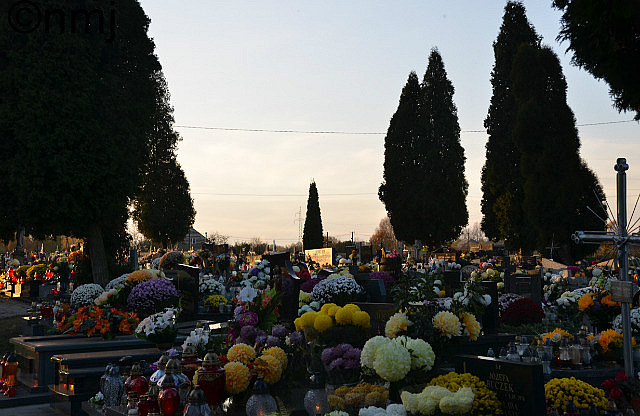
All Saints Day
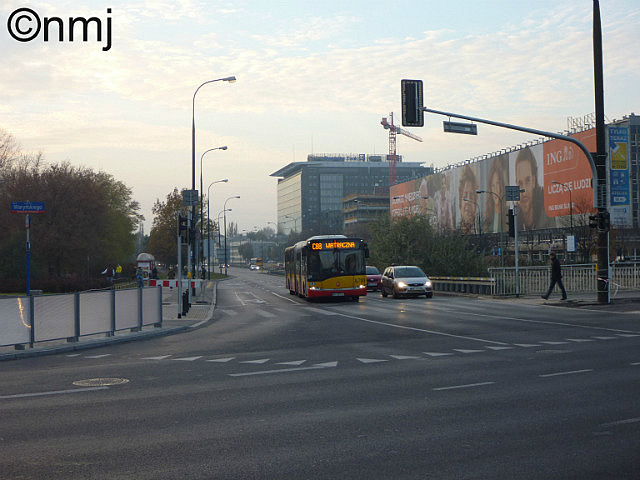
And, yes Warsaw is super bike-friendly! During our time in Warsaw, we did a lot of cycling over a couple of days and had a wonderful time. And primarily, we have to say thanks to Karolina for giving us some good information about things to see and also the warnings about All Saints Day. Who is Karolina? We met her on our first visit to Chez Jallot, a B&B in Limousin (France) and we stayed in contact via Facebook, particularly!
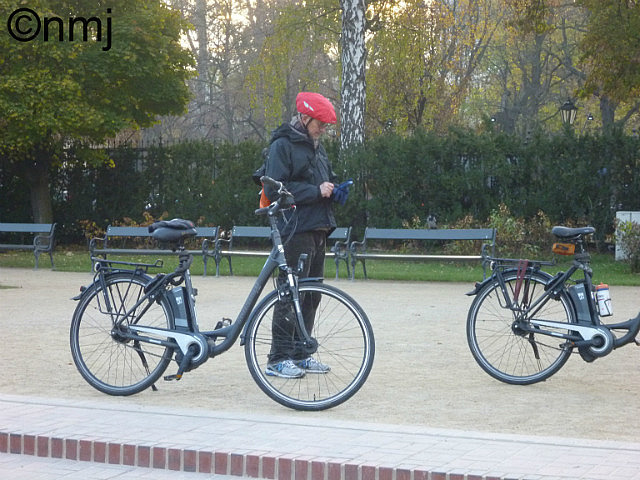
We really loved cycling in Warsaw – it was so bike-friendly!
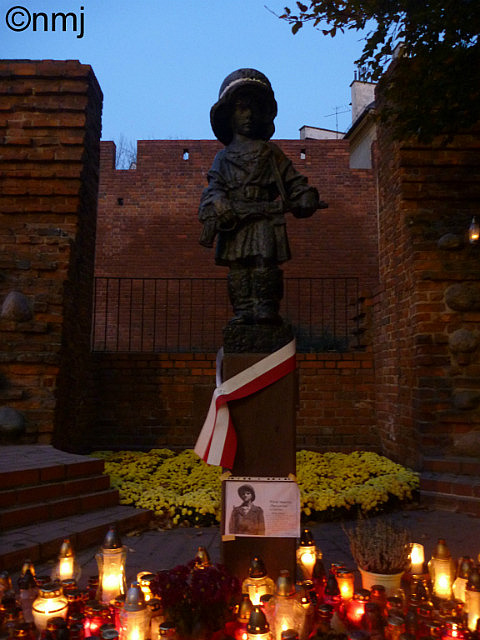
She had sent us heaps of links of things to look at in Warsaw and when she joined us on Sunday, we visited the Warsaw Uprighting Museum and then headed to the Old Town. For those who don’t know, the Warsaw Uprising occurred during 1944, as an attempt to drive the Germans out of Warsaw and the Poles were hoping that the Soviets would help them. But the Soviets were dragging the chain, as in they wouldn’t give the Brits permission to use Soviet airfields as a staging stop to provide support to the fighters. Sadly, the Uprising failed to achieve their aim, but it certainly showed that the Poles were fighters! Another Museum we visited, at the suggestion of Karolina, was the newest museum in Warsaw – the Museum of the History of Polish Jews.
This museum tells the story of how the Jews arrived in Poland and of the development of their relationship with the Polish Crown. Whilst it would appear that the Jews were welcomed and supported by early Polish Kings, the locals weren’t as welcoming. And this behaviour reached it’s climax during the Second World War. I think it was Heydrich who told the German troops to agitate between the Poles and the Jews, but not to step in to stop any anti-Jewish actions.
When Karolina spent the day with us, she took us to a great restaurant which served traditional Polish food – so Nick has now experienced Polish Roast Duck with apple and potatoes (not two types of potato as Nick originally thought) and MJ has experienced Polish Potato Pancakes! We have also renewed our acquaintance with Pierogi and encountered, for the first time, Polish donuts. They are nothing like we expect donuts to be, which is a very American product. Polish donuts are deep-fried, but not too greasy, with jam in the middle. But in Poland, they use a rose-flavoured jam, which isn’t very sweet. So, all-together, it is a great combination!
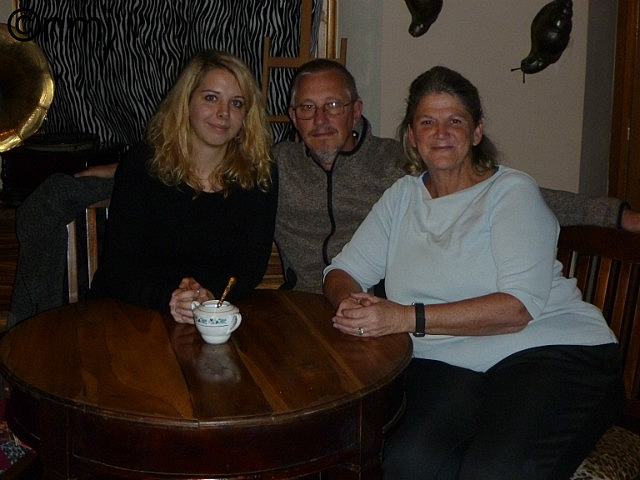

From Warsaw, it was time to head to Krakow and, again thanks to Karolina, we had some great suggestions of things to see in Krakow.
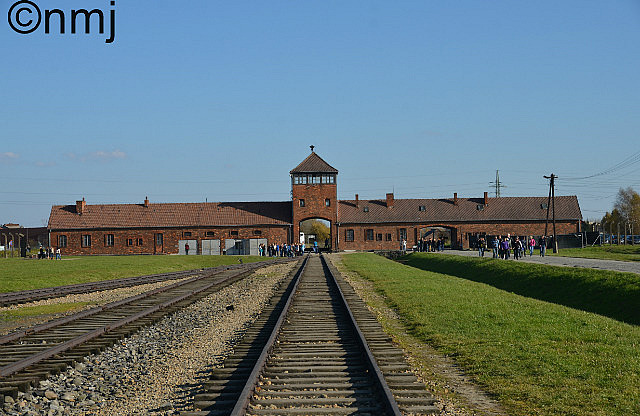
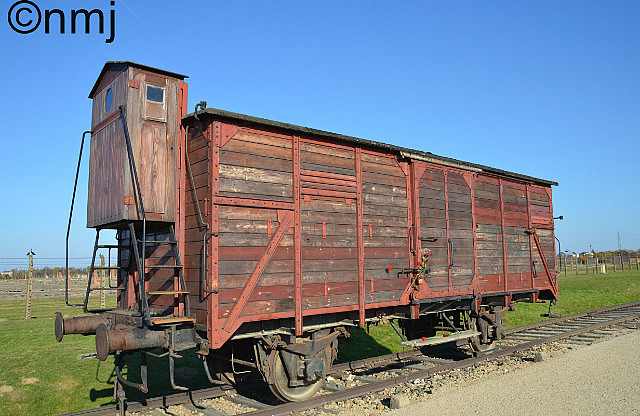
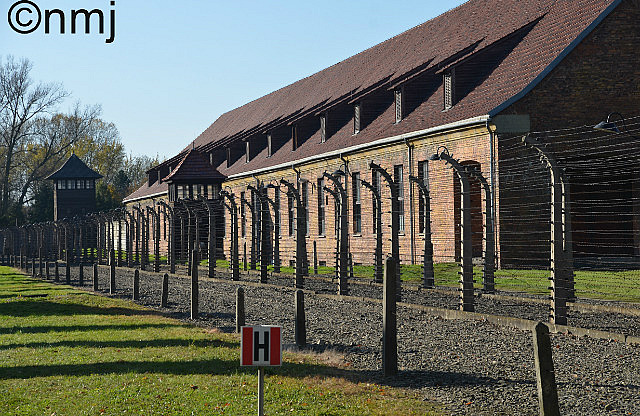
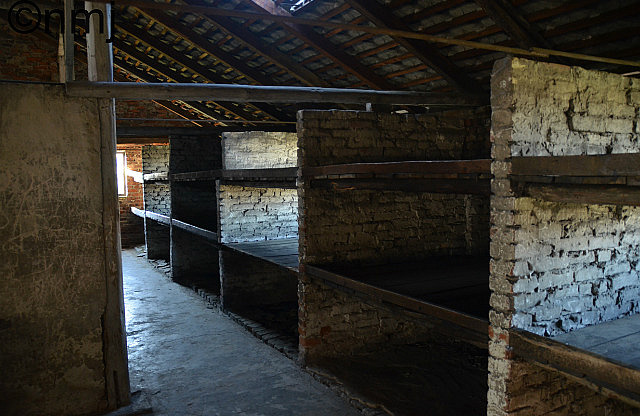
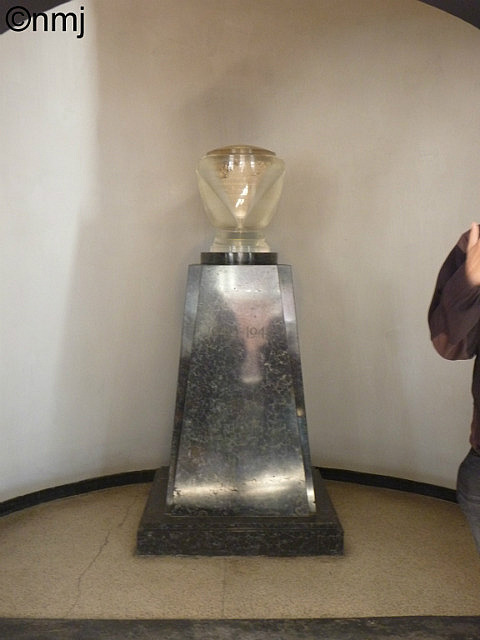
Our first port of call was Auschwitz. There is so much that we could write about this experience. It was overwhelming! You could see the remains of some of the gas chambers and crematoria, as well as a rail wagon, which was typical of the sort used to transport the victims to Auschwitz. You could see the sort of barracks they lived in whilst they were waiting to be killed. But, for me, the most overwhelming things were the masses of items that were collected from these people as they arrived. We all know that they were told all sorts of lies to get them in the Gas Chambers quietly, but when you see a “sample” of the number of suitcases, artificial limbs, shoes (adult & childrens), glasses that were confiscated, you can only feel awe-struck. For me, the most poignant moment was when I was looking in a showcase that held items that had been taken from the children prior to going to the Gas Chambers with their mothers. You could see small shoes, jackets, hats, dresses and a doll that had been broken.
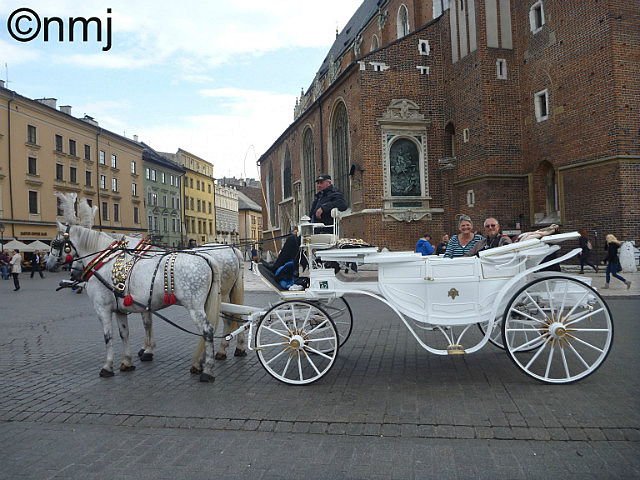
After the grimness of Auschwitz, it was time to explore Krakow, which used to be the capital of Poland before it was moved to Warsaw. We treated ourselves to a horse-carriage ride which took us through the streets of the Old Town to the Wawel Castle and then back. We made sure that we were in the Old Town Square on the hour, to hear the trumpeter that plays from the steeple of the St Mary’s Basilca every hour. At first, we were looking for some sort of animated action with figures. But after sitting through two lots of trumpeting, we located the live trumpeter who plays out of a window at the top of the tower, to the four points of the compass. We tried to take a photo, but all we could see was the bell of the trumpet sticking out of the window!
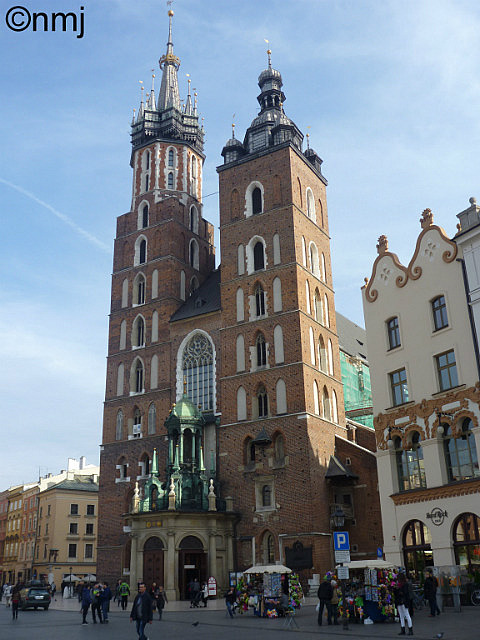
The Church on the Square in the Old Town in Krakow
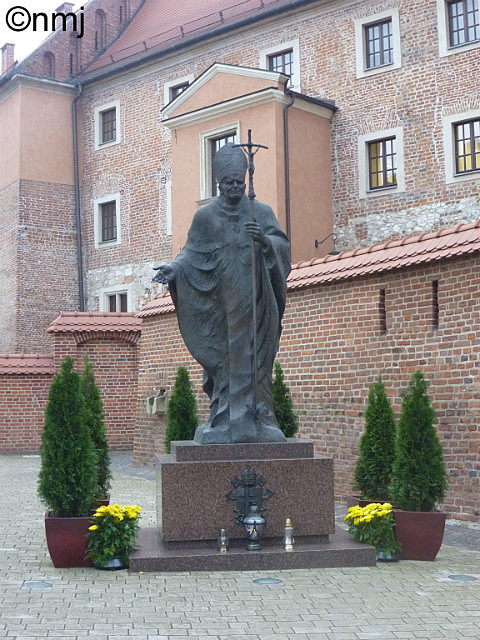
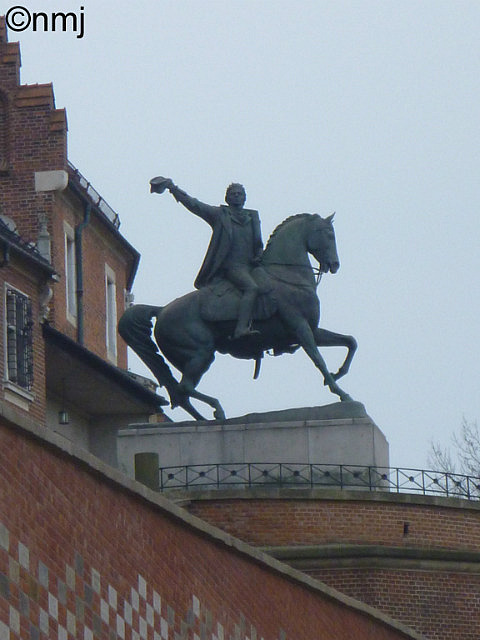
At Karolina’s suggestion, we visited the Wawel Castle and Cathedral. Have we mentioned that Pope John Paul II is huge in Krakow? It turns out that he was the Bishop and Cardinal of Krakow prior to becoming the Pope, and he was born in a nearby town. He also worked as “forced labour” in the area during WW2. After a visit to Wawel Castle, we were educated in Poland’s history – it has been its own country several times, but it has also been invaded, divided and occupied numerous times over the past 500 years (or so).
As fans of films about World War 2, we had seen “Schindler’s List”. In fact, we’ve seen it a couple of time. Well, whilst we were in Krakow, we found that a great museum of Krakow during WW2 has been established in the old Enamelware factory that was run by Oscar Schindler. In fact, when Spielberg made his movie, the scenes set in the Factory were actually filmed in the real location, and after the movie, they realised the opportunity to make a great museum. But, I also have to admit that we are both suffering from WW2/Jewish Museum overload.

This is NOT a film set – it is the real office in the real factory!
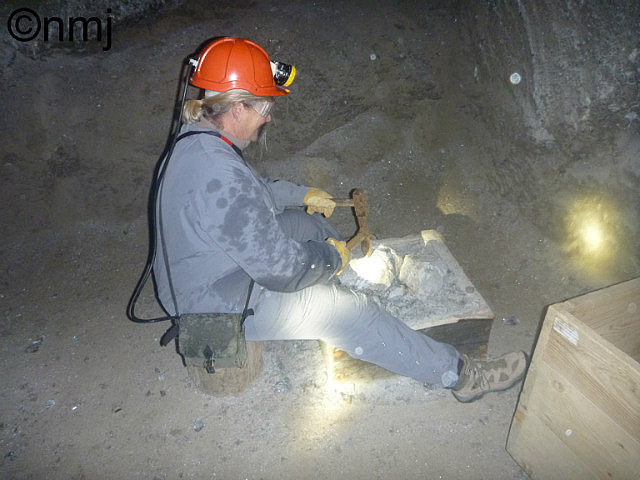
Our last day in Poland was spent visiting the Salt Mines at Wieliczka. In 2000, when we did our first trip to Europe (with a very young Tyson and Penny), we visited the Salt Mines in Berchesgarten (in Bavaria). So when we were investigating the options for visiting the Salt Mine, we discovered that they have a Tourist Route and a Miners Route. The Tourist Route covers the standard stuff – looking at carvings, underground chambers, chapels & salt lakes, collections of mining machines, etc. But, the Miners Route took you took a different (and older) part of the mine where you learnt about the traditions of being a miner. We had the opportunity of have a (unplanned) private tour where we had to learn how to perform some of the standard tasks that were performed everyday by the miners – such as testing for the presence of Methane, testing the level of salinity in the water, manually operating the pumps to remove water from the mine. Hey! We even got to mine our own rock salt!
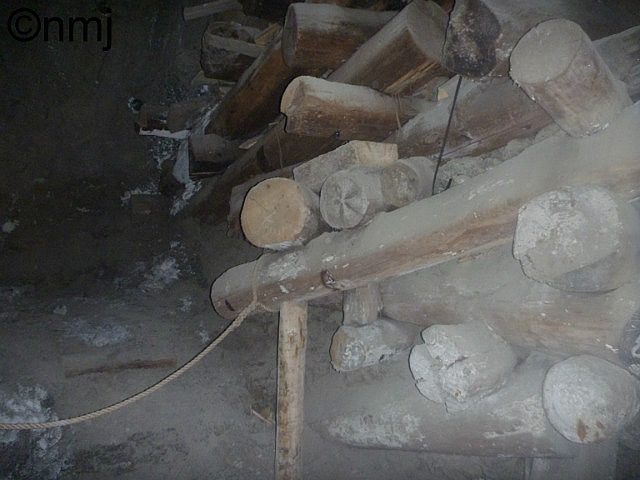
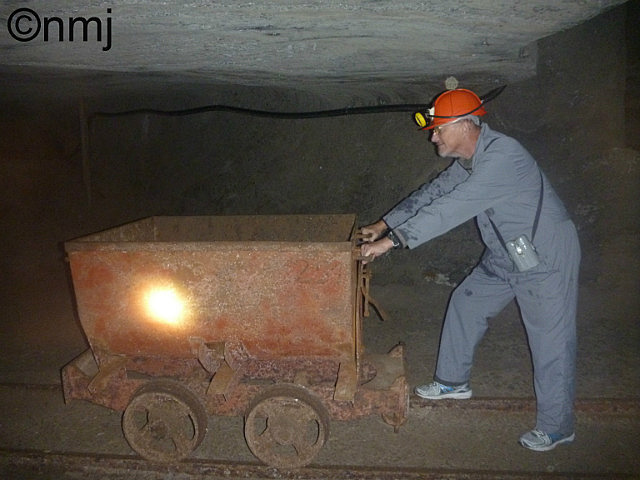
If you are planning a trip to Europe in the future, all we can say is don’t ignore Poland! There is plenty of things to see and experience, great food to eat, and plenty of fun to be had!
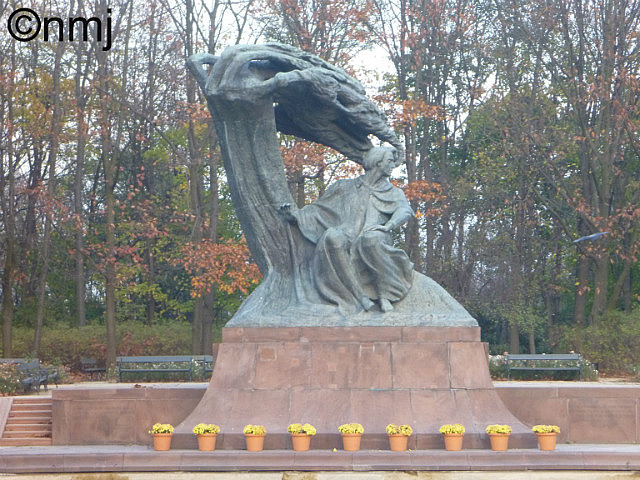


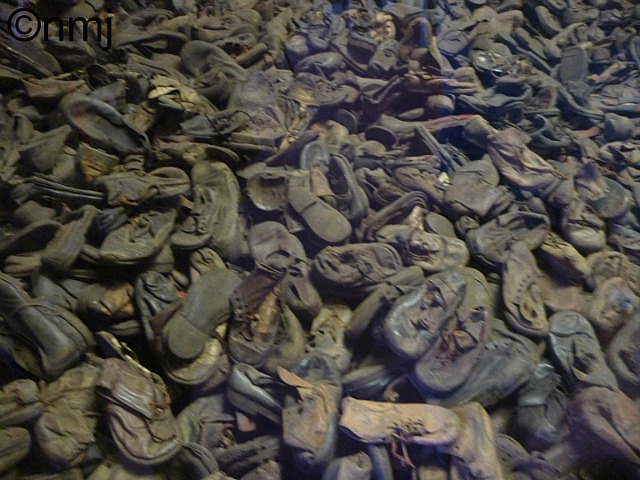
Apparently no-one cared (or knew) if they were wearing Jewish shoes! Again, due to the drop in manufacture of goods for civilians, items confiscated from the Jews were recycled to the German market.
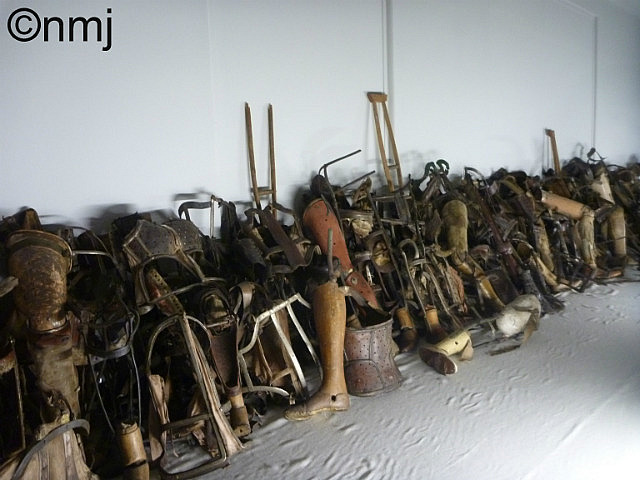
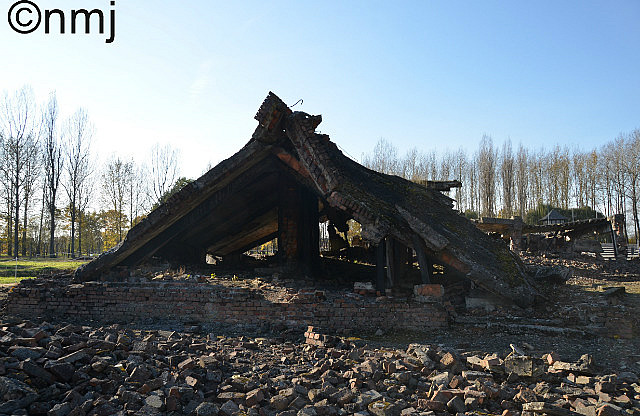
The Nazis tried to destroy the evidence of what they had been doing!
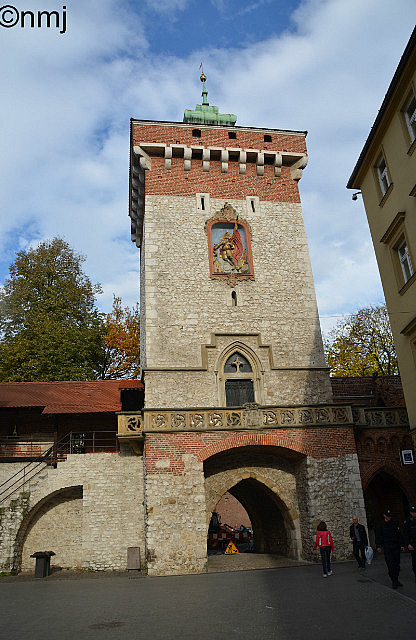
St Florian is the patron saint of Firefighters!
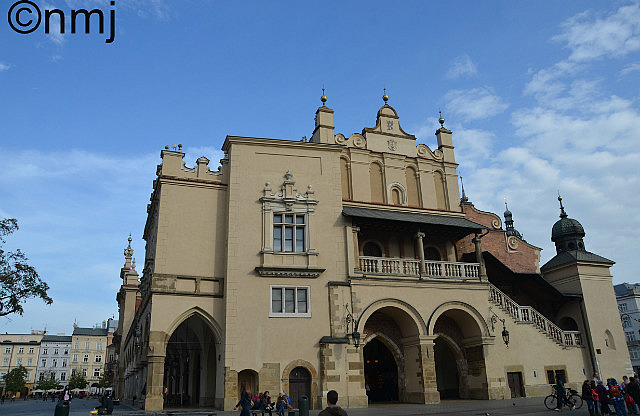
of Souvenir stalls
 Nick & MJ On The Road
Leave a comment