Since leaving southern Germany and our friends, we have done a lot of kilometers and visited a lot of towns but haven’t really done anything. We have driven to towns, walked around the Old Town or die Altstadt, and felt very overwhelmed with the history and architecture that we’ve seen. And occasionally, there have been high points!
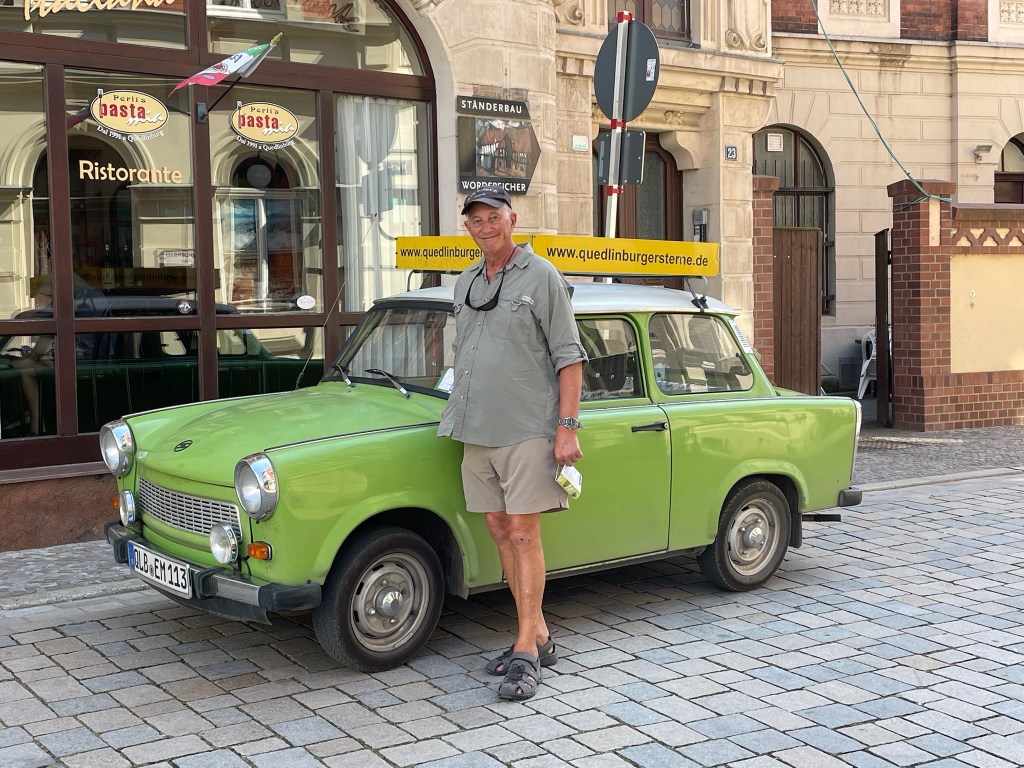
We had decided to head into the old East Germany to visit Leipzig, but on the way, we visited Bamberg, which is in northern Bavaria and then we crossed the border to visit Leipzig and Erfurt. On our way to Leipzig, we detoured through Zwickau which used to be the town where Trabants were made.

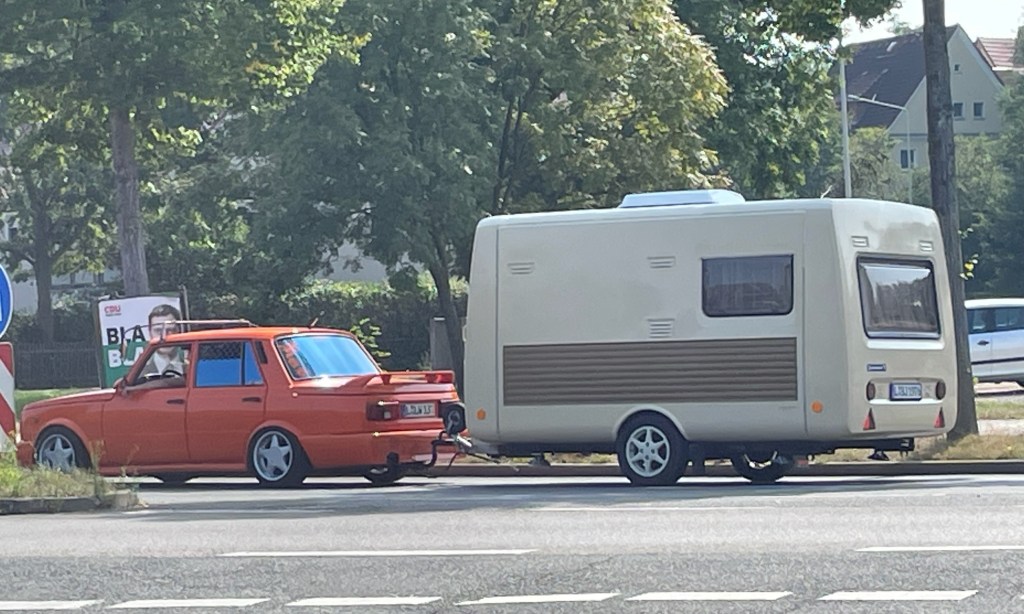
In case you don’t know, Trabants were a small car built by an East German car manufacturer, Sachsenring Automobilewerke. There were 4 models – Trabant 500 which had a 499cc two-stroke motor, a Trabant 600 which had a 594cc two-stroke motor and, in the final years after the fall of the Berlin Wall, a Trabant 1.1 which had a 1043cc four-stroke motor – but we don’t really talk about that model.
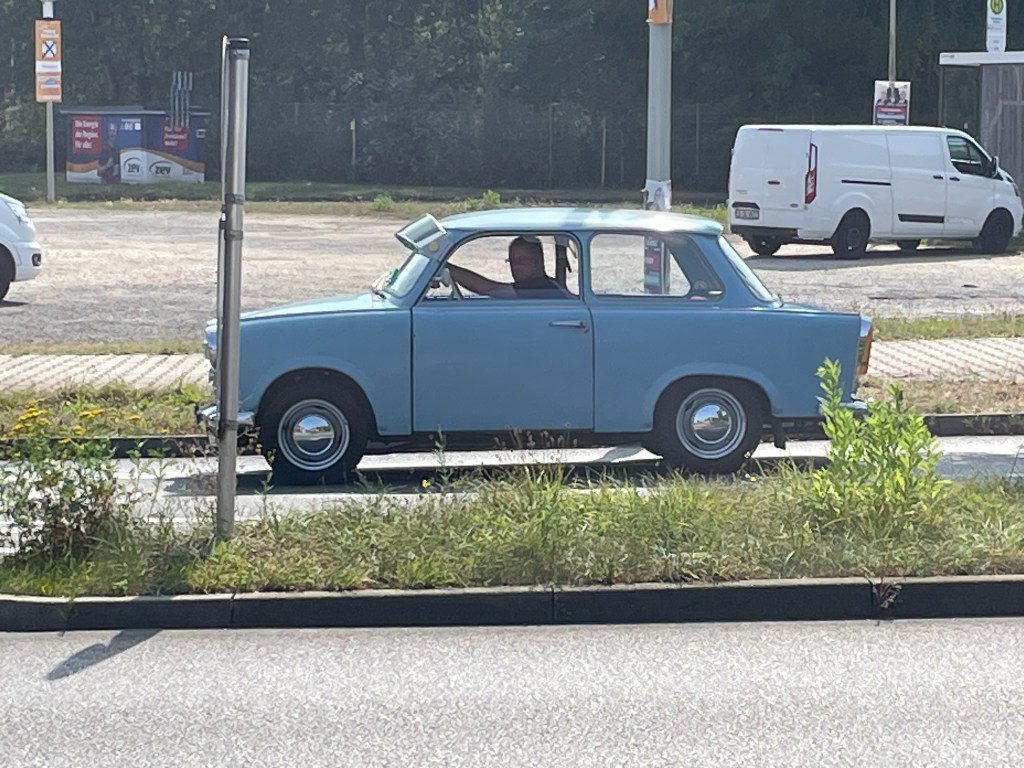
The design of Trabant cars never really changed much in all their years of manufacture (1957-1991) and they became a symbol of East Germany. One nickname for them is “a spark plug with a roof”! Over 3,000,000 were produced and, these days are highly sought after by collectors. If you ever get a change to see a German film called “Go Trabi Go”, you might understand Nick’s fascination for them. But he does also like 2CVs and threes-wheeled Piaggios, so he is probably a lost cause!
From Zwickau, we headed up to Leipzig. If you have ever been in Berlin, especially in East Berlin, you will have seen the old East German Ampelmann which is used for the pedestrian crossing lights. In fact, you will encounter them all around the old East Germany. The Ossie Ampelmann is short and stout and he wears a hat whereas the Western man is tall and thin and doesn’t wear a hat. I really like the Ossie Ampelmann!
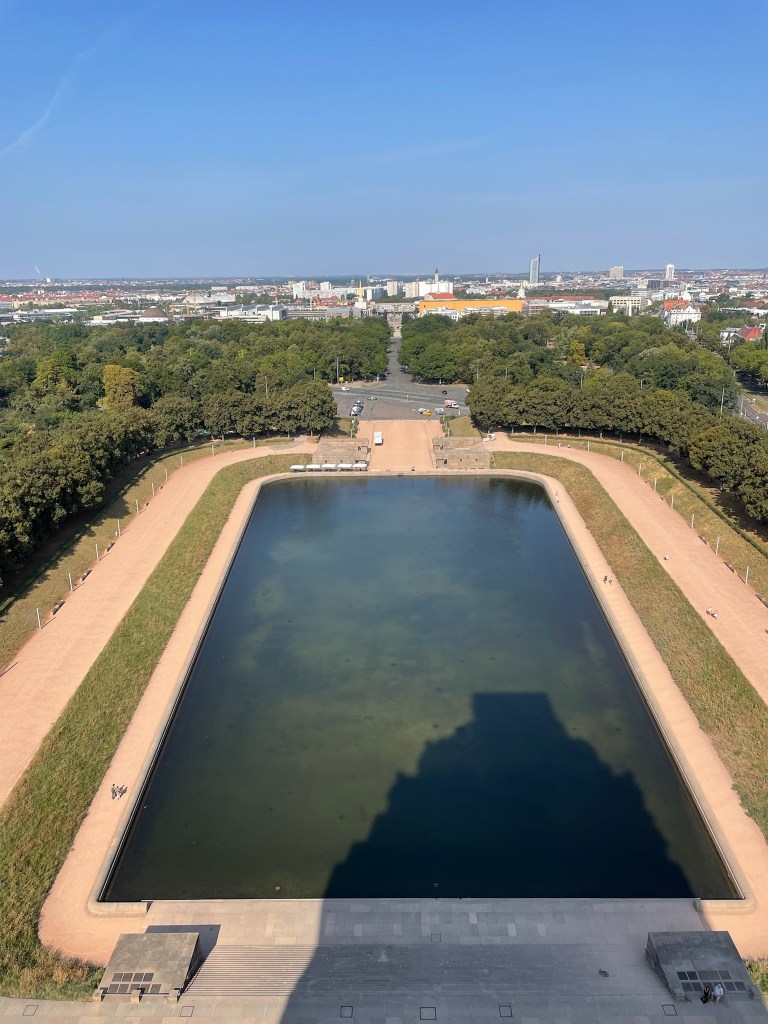
Another thing to see in Leipzig is the Monument to the Battle of the Nations. This is a very stark piece of monumentalism that was built for the centenary of the Battle of Leipzig (1813) which is reputed to be the battle that was the beginning of the end for Napoleon. It was a battle that was won due to advice given to the Allied armies by Swedish Crown Prince Charles XIV John. Why would advise from the Swedish Crown Prince play such a decisive role? Because, before he became the Swedish Crown Prince, he was a Jean-Baptiste Bernadotte and had been a Marshal of France and a minister of War under Napoleon.
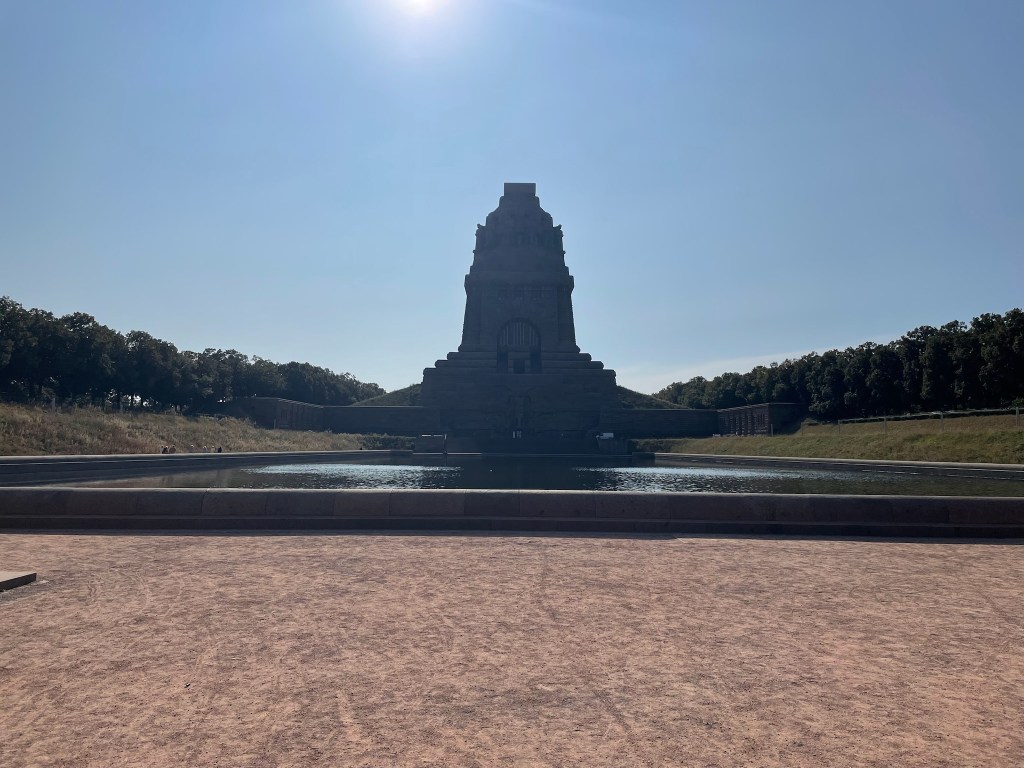
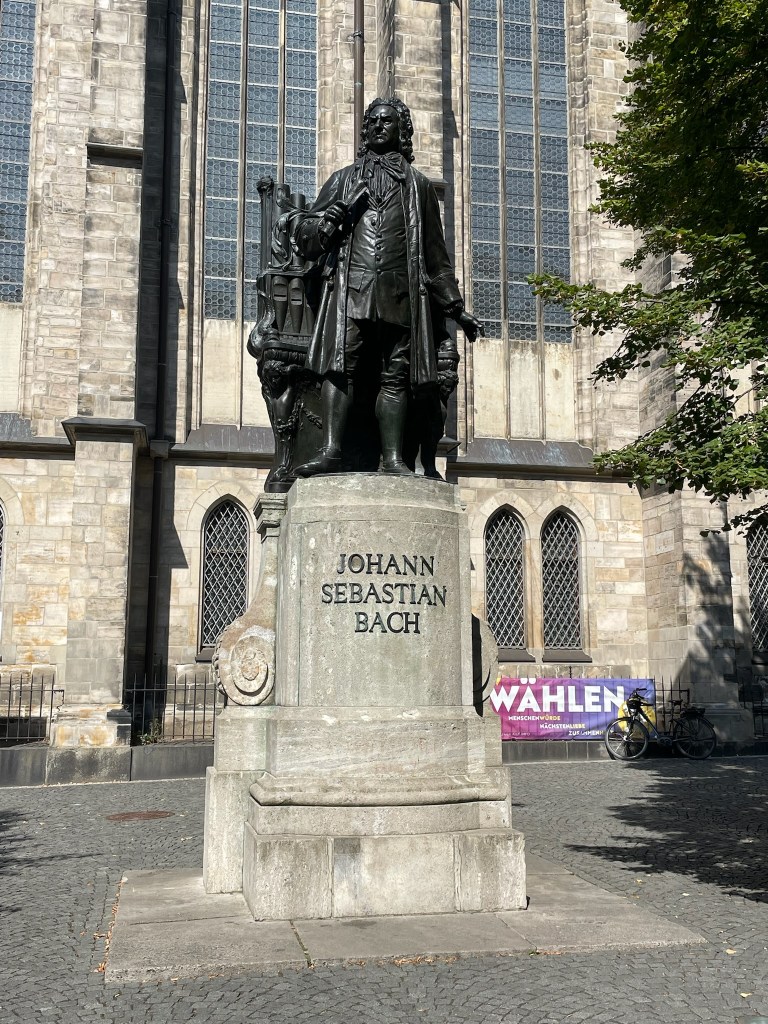
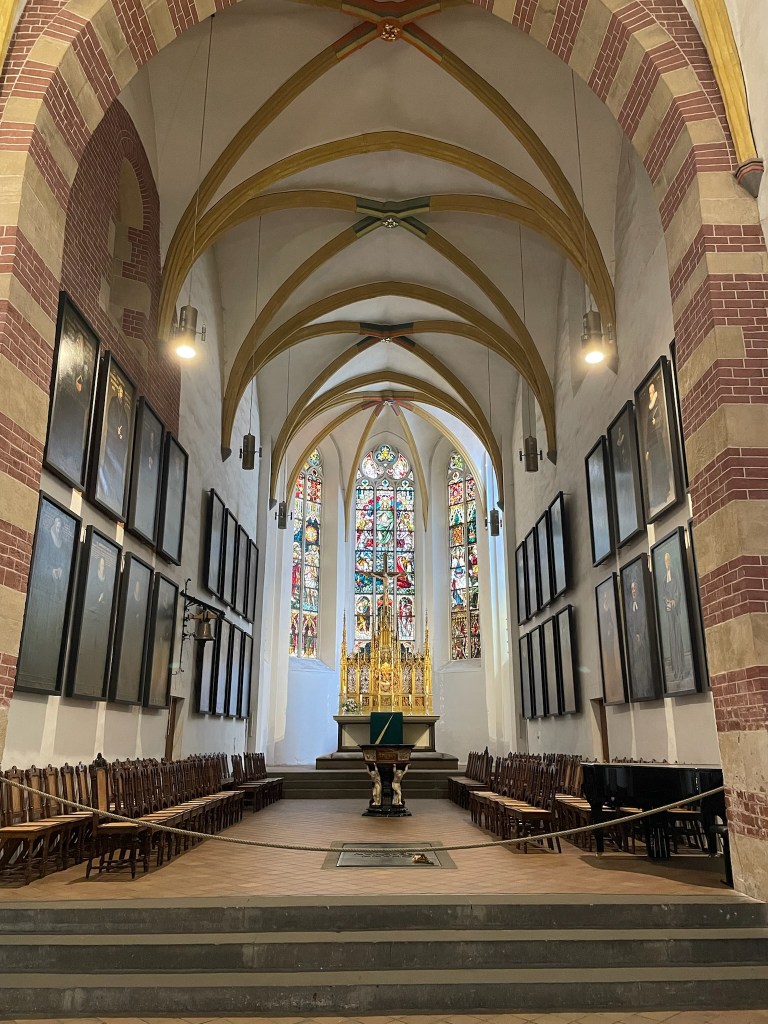
Oh, and Johann Sebastian Bach had been the choirmaster at the Thomaskirche in Leipzig for 27 years – so there is a lot to see in Leipzig! And you get great views over Leipzig from the top of the Monument.
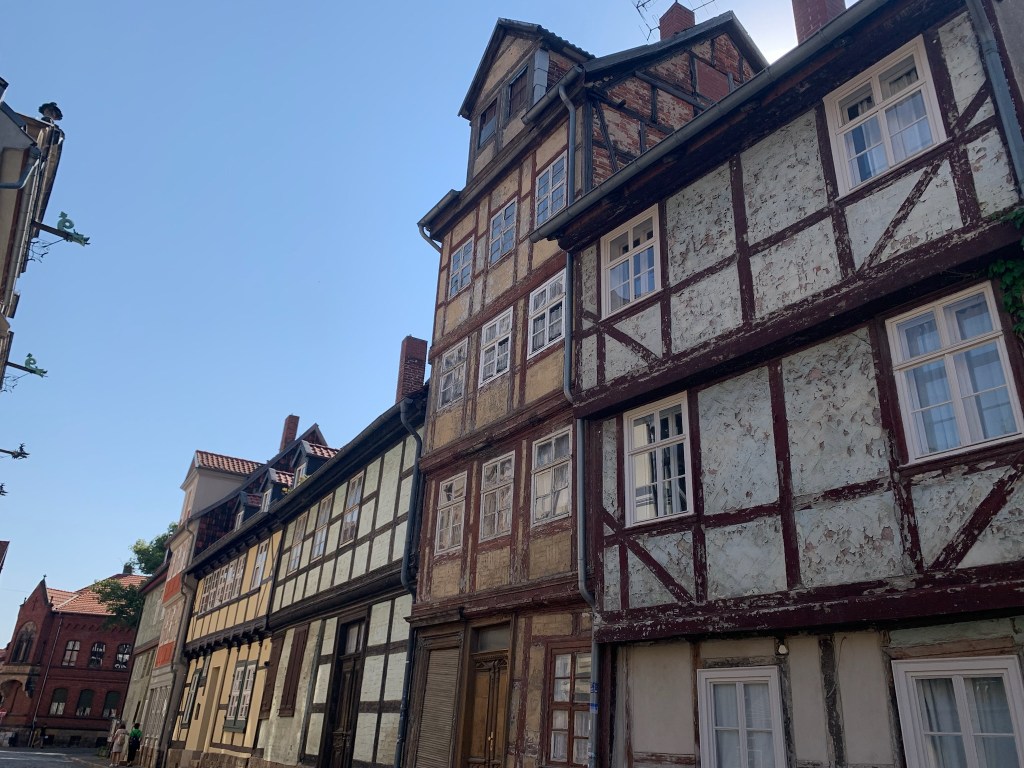
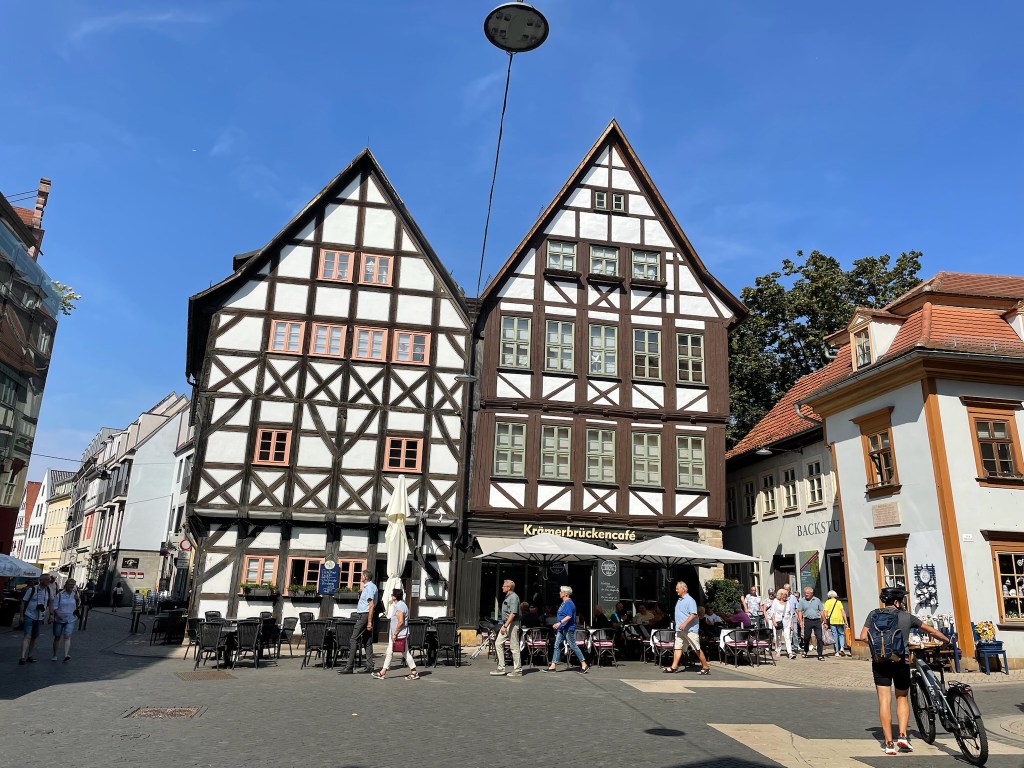
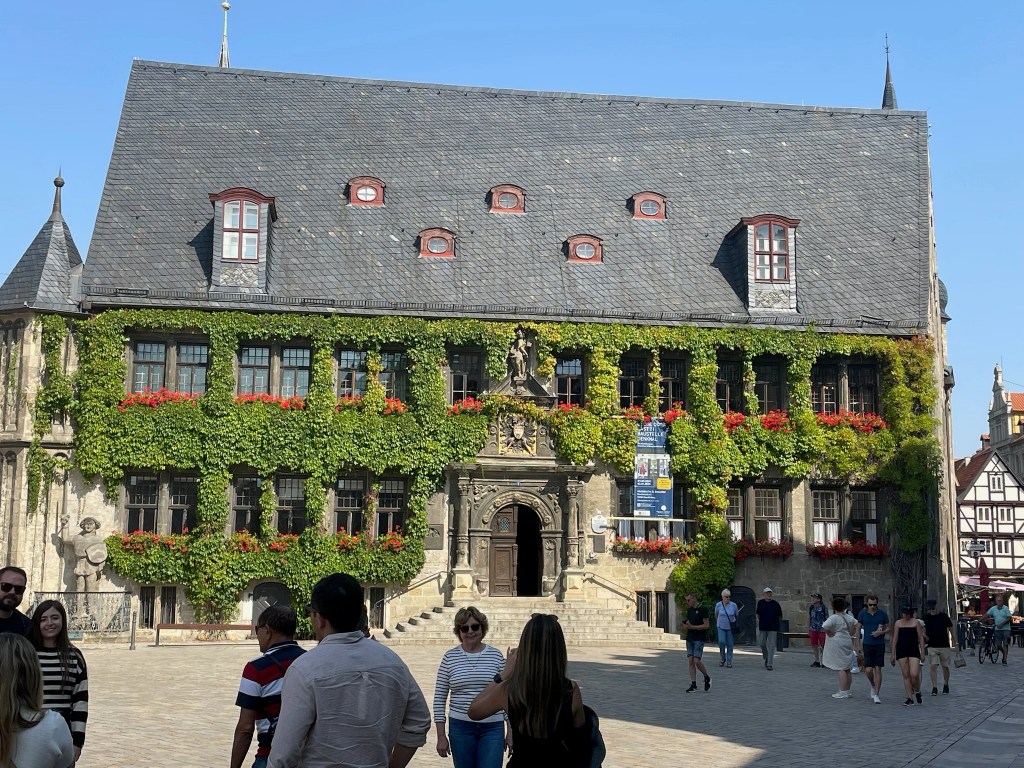
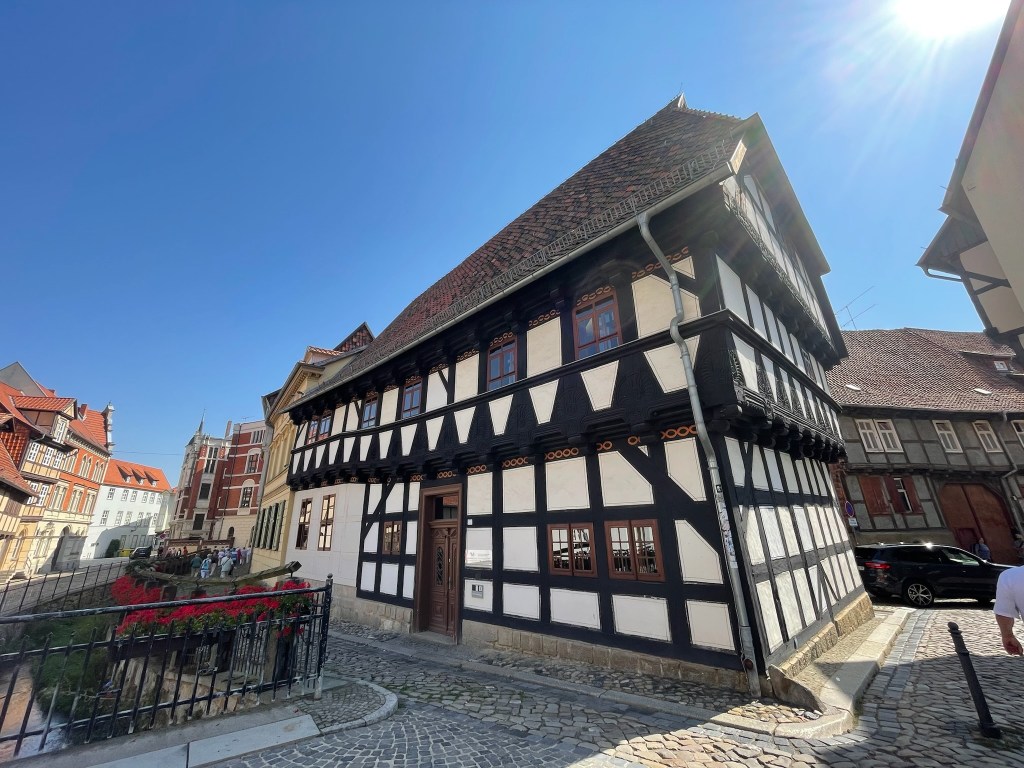
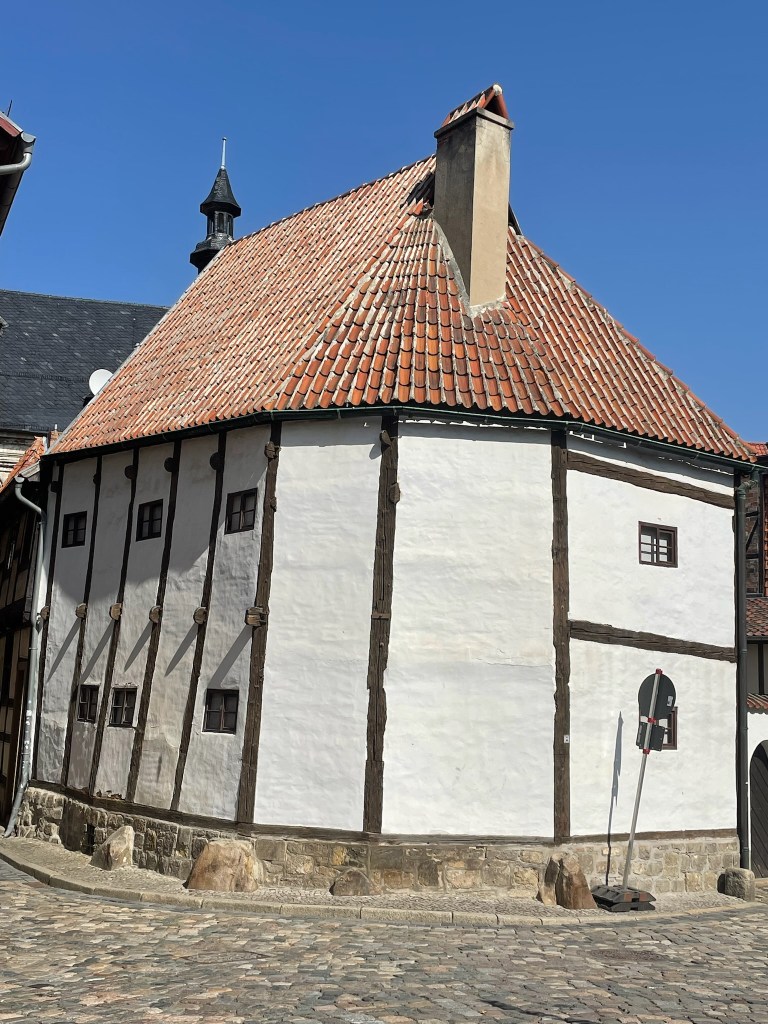
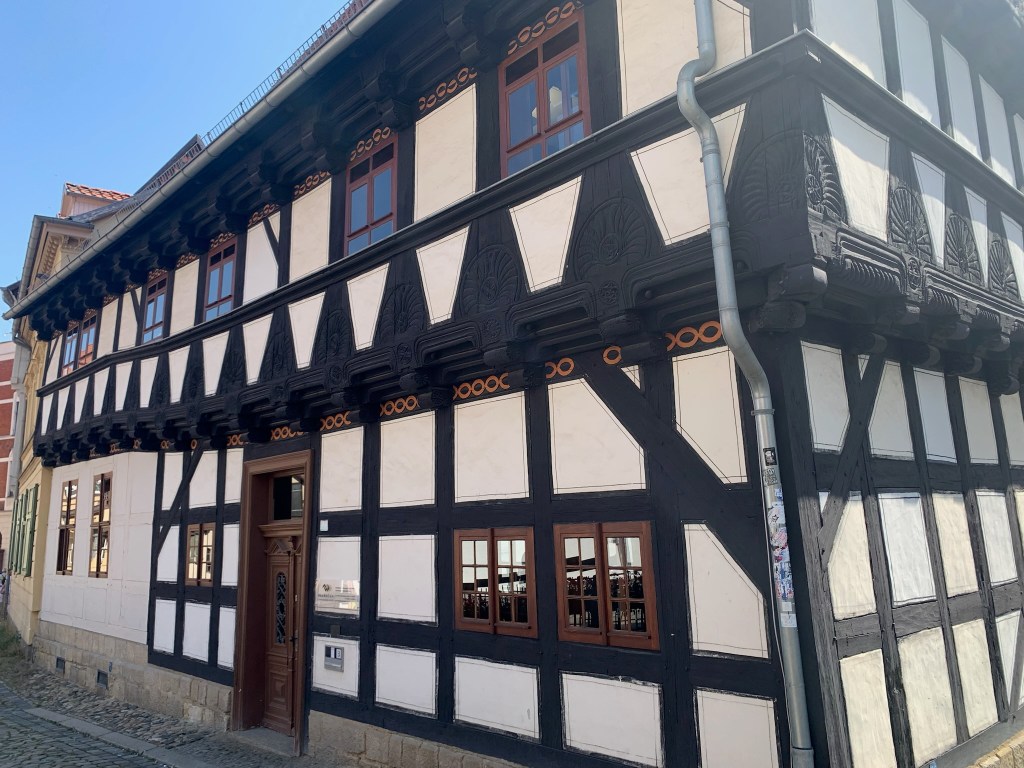
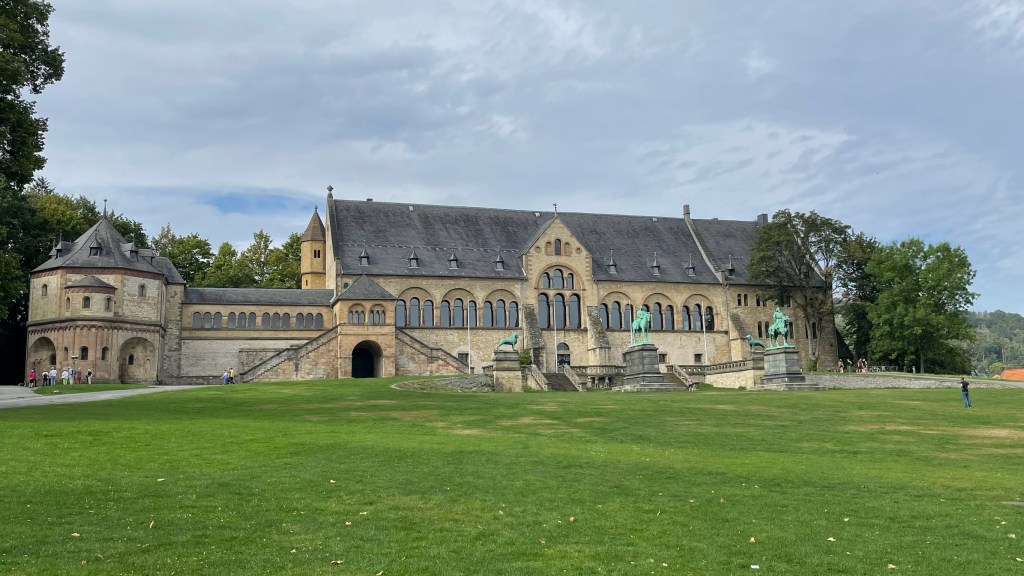
Another place that we wanted to see was the Harz Mountains. They are the highest “low mountains” in Germany! They straddle Sachsen-Anhalt and Niedersachsen and have a rich supply of yet more half-timbered houses, churches and castles. We visited Quedlinburg, Wernigerode and Goslar and have had our fill of these particular styles of architecture. All of these places date back to 12th Century and therefore you can see Gothic style, Medieval style, Baroque style and one more style but I can’t remember the name! There are all these different styles of half-timbered houses because over the centuries there have been a be number of fires that encompassed both the Old Town and the New Town and each time the houses were rebuilt, it would be in the current architectural style.
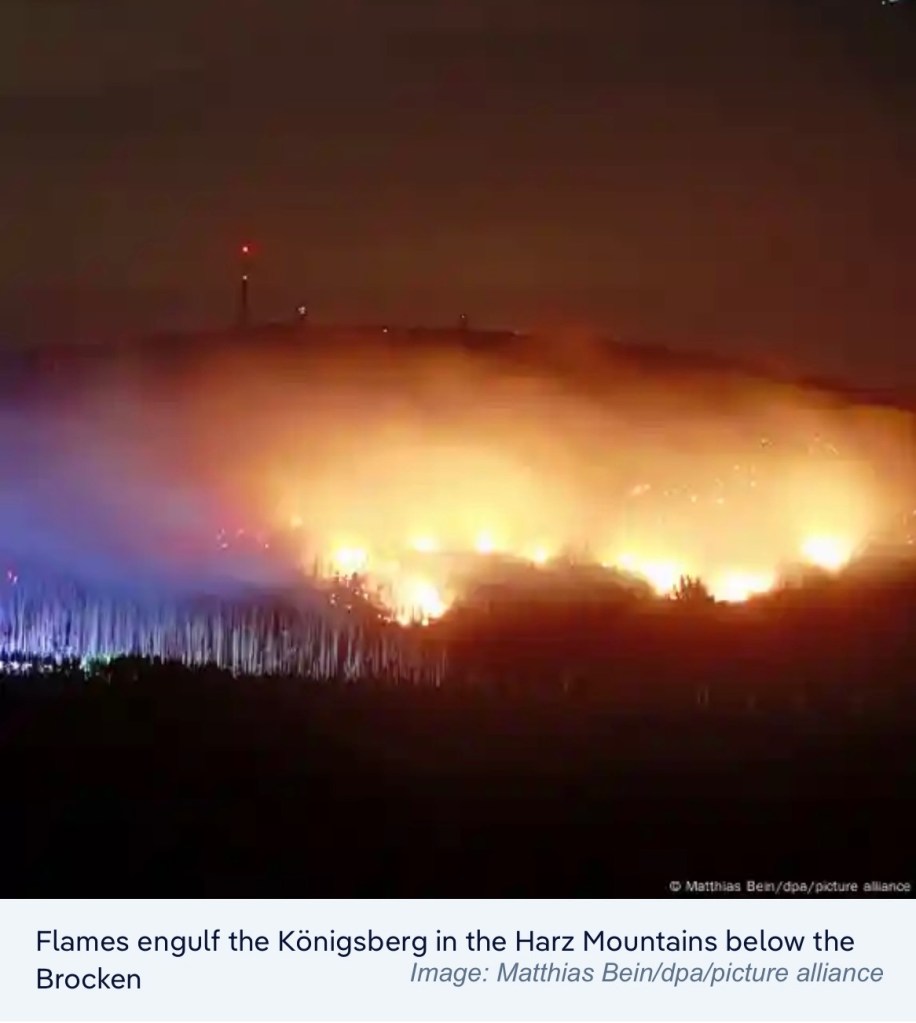
One more big attraction in Wernigerode is the Harzer Schmalspur Bahnen, which is a series narrow gauge (1 metre) railways – the Harzquergpbahn, the Selketalbahn and the Brockenbahn. We had planned on catching the Brokenbahn which takes you up to The Brocken at an elevation of 1125m. During the days of East & West Germany, there was a listening post at the top of the Brocken which had a line of sight almost to the Dutch border. This was also where one of the scenes of the Peace Revolution played out, which led to the collapse of the Berlin Wall.
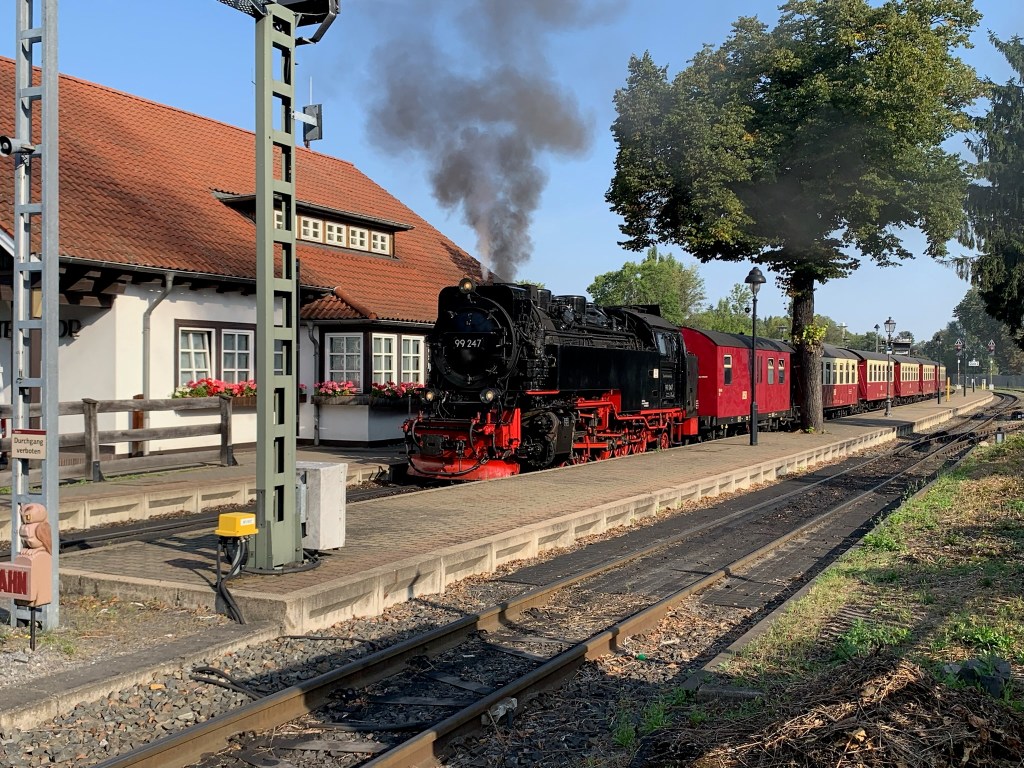
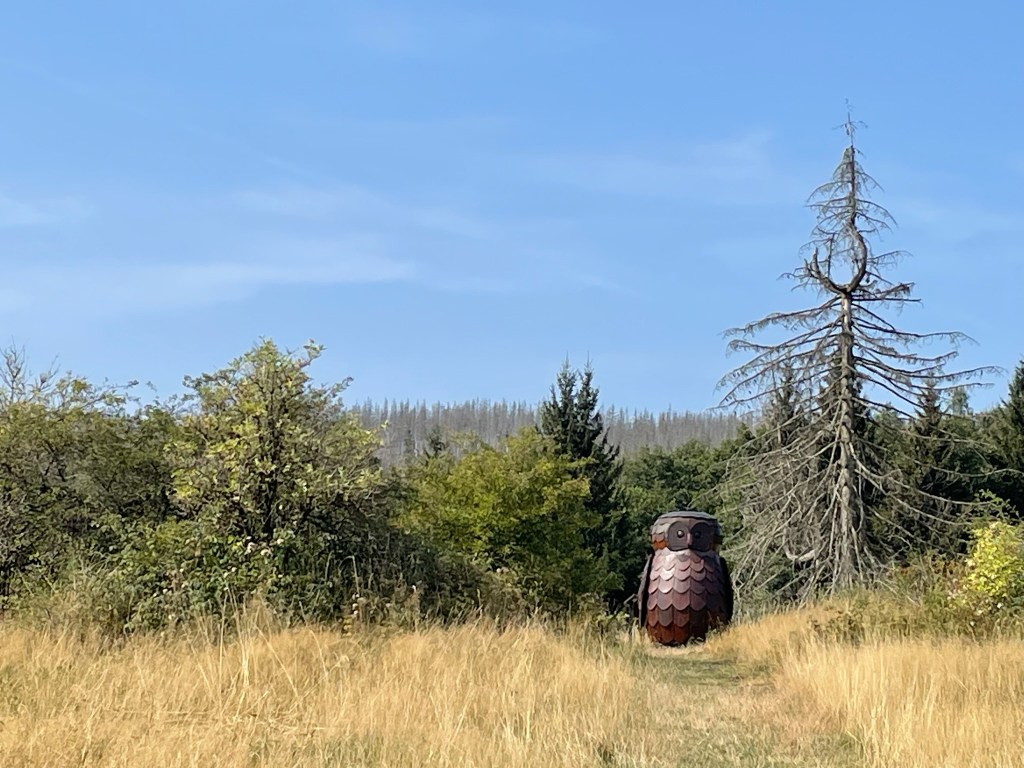
But – due to a fire the day before, the Brocken was closed! Yes, during the previous afternoon, when walking around the town, we could hear lots of sirens and had in fact commented to each other that there was obviously a big fire somewhere. Well, the next morning when we got to the train station, to buy our tickets, we discovered where the fire had been! We didn’t get up to the top, but we still managed to catch a steam train up to Drei-Annen-Hohne and enjoyed a walk through the forest and a cold drink before heading back back down the mountain on the train. Obviously we will have to come back to tick this box properly!
Now that we are back in Niedersachsen, we were heading up to Hannover, which is the capital of that State. Despite living in Niedersachsen for 6 months back in 2008, and numerous visits back here, MJ had never been to Hannover, so we decided that we would make the visit a detour on our trip to the Lüneburg Heide (Heath).
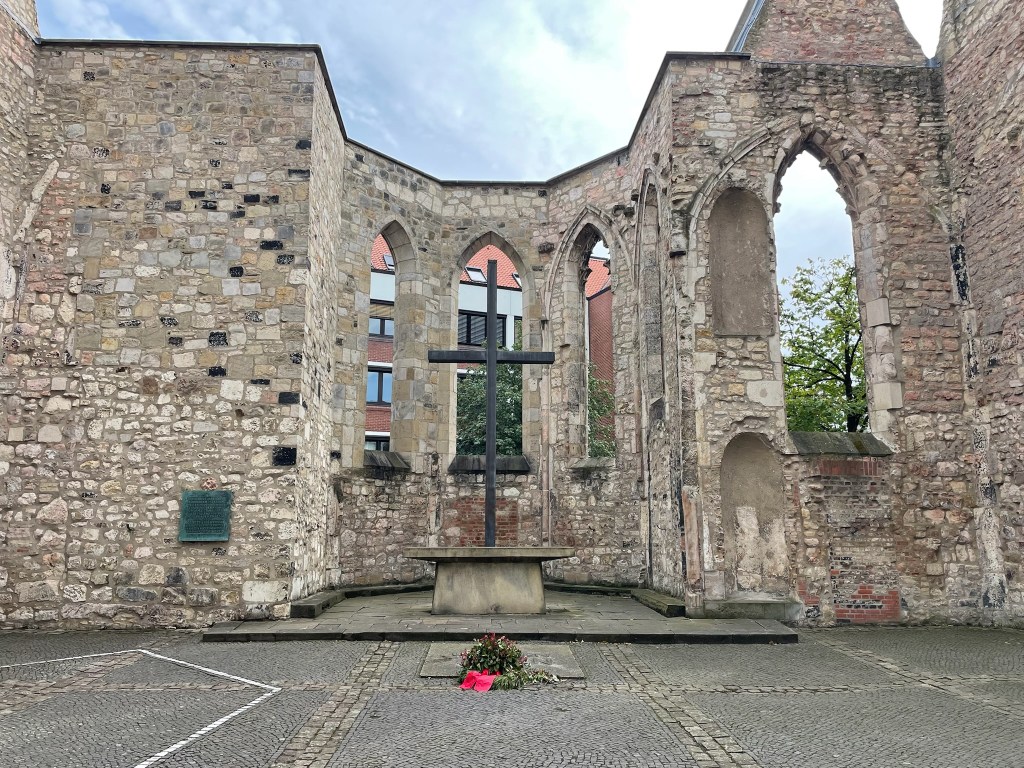
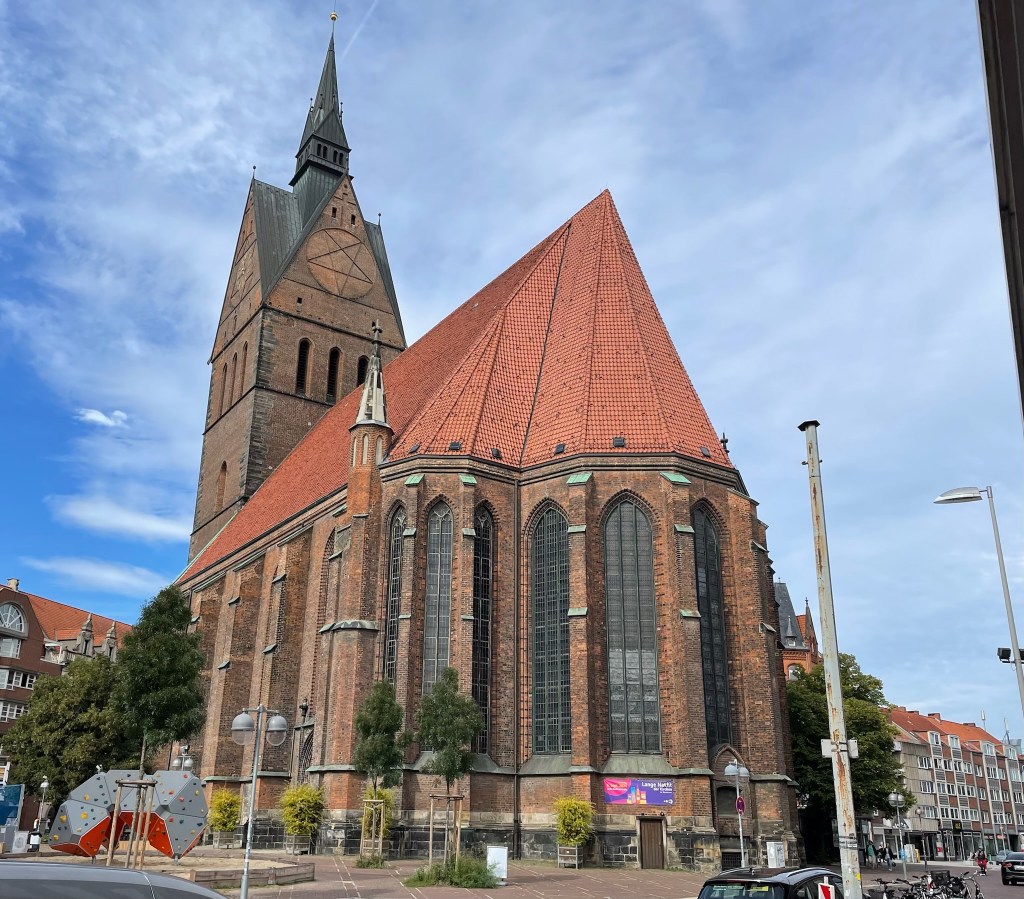
Like many of the cities in Northern Germany, Hannover suffered from the RAF Programme of “Urban Renewal” and these days, there aren’t a lot of example of old architecture, but there are some. We walked around the City Centre, visiting Aegidienkirche which is a church ruin in the heart of Hannover. The church dated from mid-1300s and was destroyed during the aerial bombings of Hannover in October 1943. After the war, it became a war memorial dedicated to victims of war and violence.
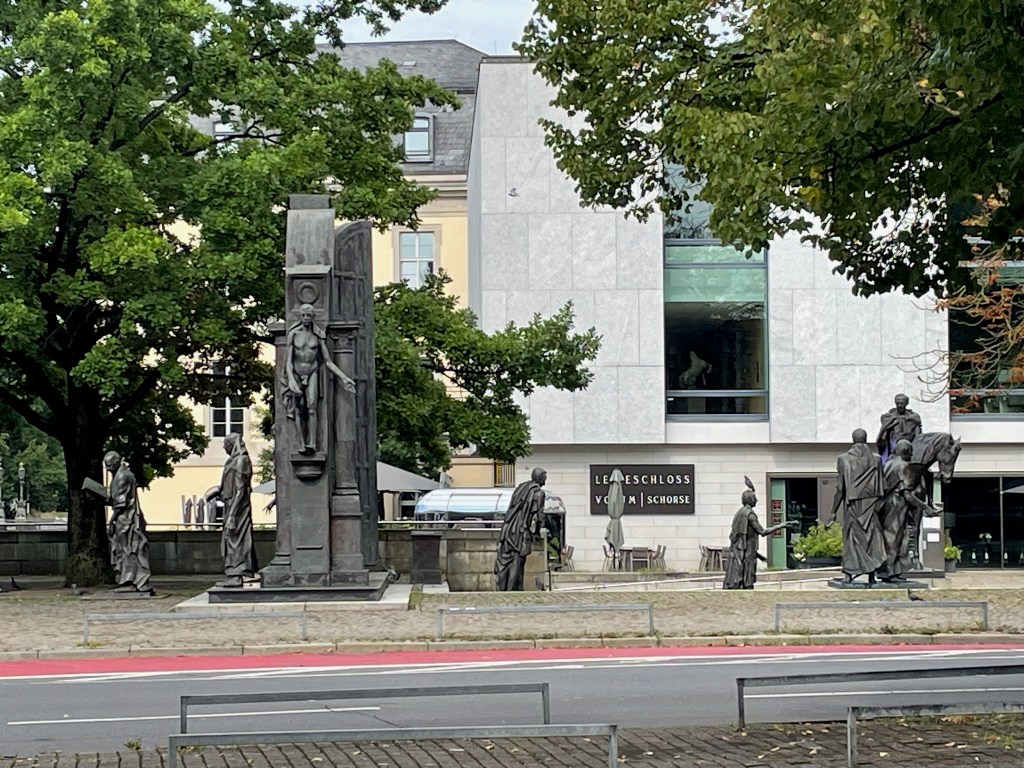
We also walked past the New Town Hall (built at the beginning of the 20th Century), which is not just the Rathaus, but also the administrative Centre for the state of Niedersachsen, and the old Town Hall. We walked past a monument called “The Göttingen Seven” and wondered what it was all about. After asking Mr Google, we discovered that in 1837, when King William III died and Queen Victoria ascended the throne in the United Kingdom, there was also a new ruler for Hannover, because King William III had also been the Elector of Hannover. So the new Elector of Hannover was Ernst-August and he wanted to change the Constitution. There was 7 liberal professors at Göttingen University, including both Grimm Brothers, who protested against the changes to the Constitution and refused to swear an Oath to the new King. Apparently, this caused a minor furore within Germany but didn’t have a big effect on the international stage. But three of the seven Professors were expelled from Germany.
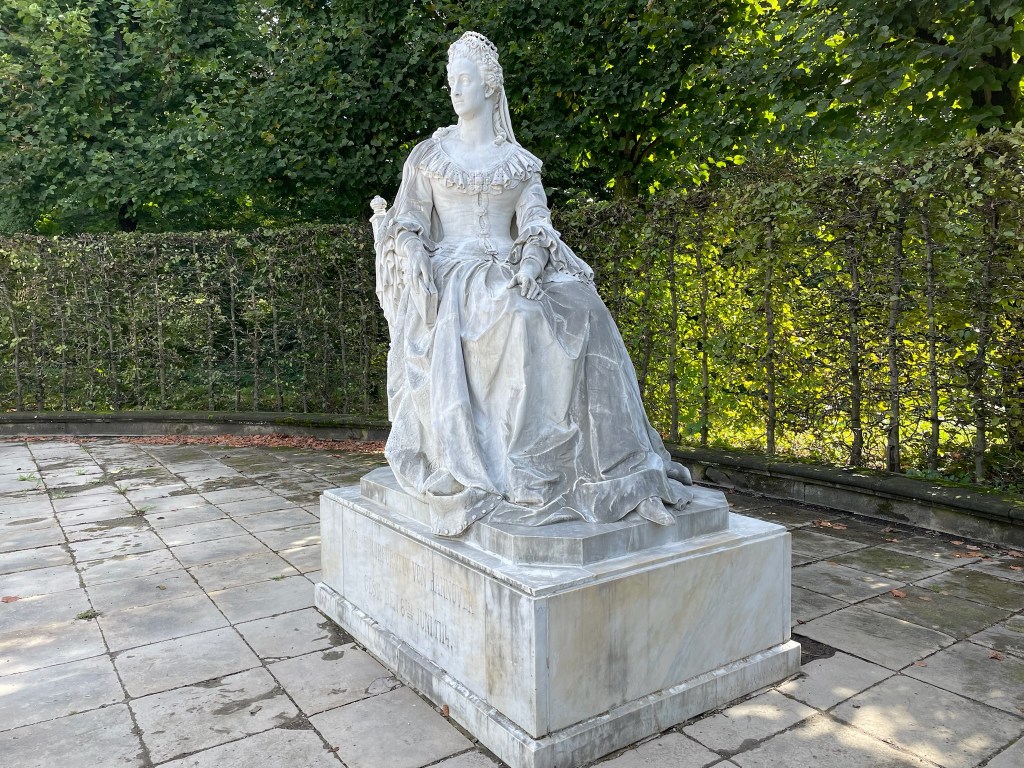
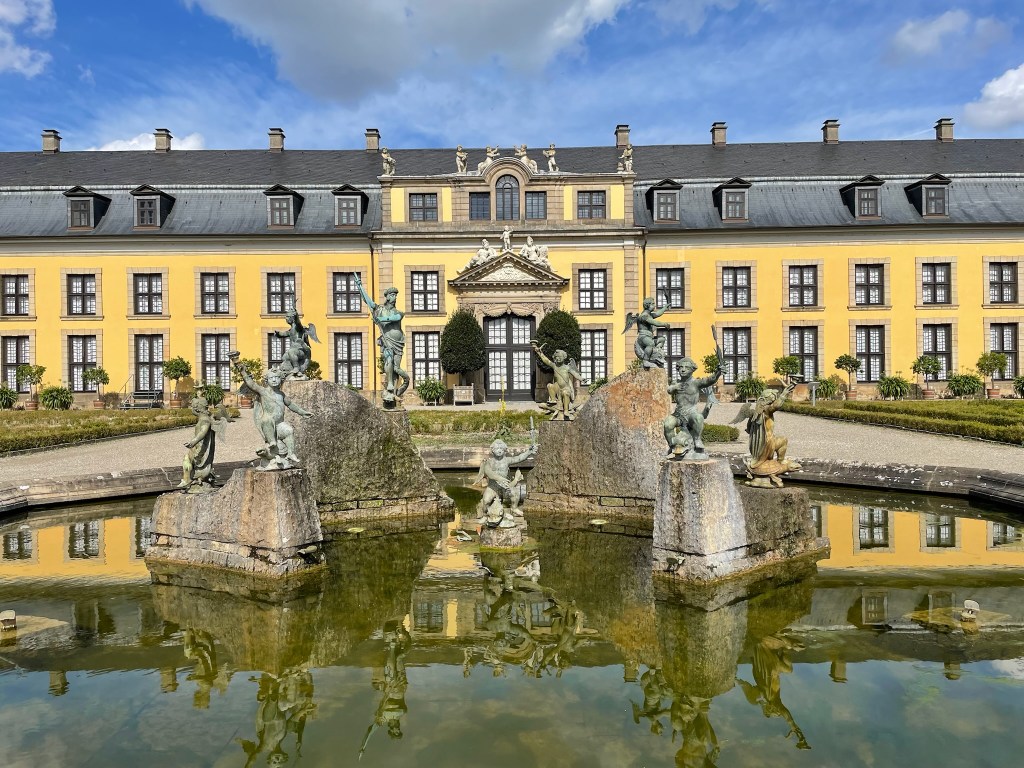
We spent the afternoon exploring the Herrenhäuser Gardens. The Gardens were planned for Sophia of Hannover, Consort of the Elector, and grand-daughter of James VI of Scotland & James I of Great Britain, which made her an Heiress Presumptive to the British Throne. Her son, Elector George Louis became George I in 1714.
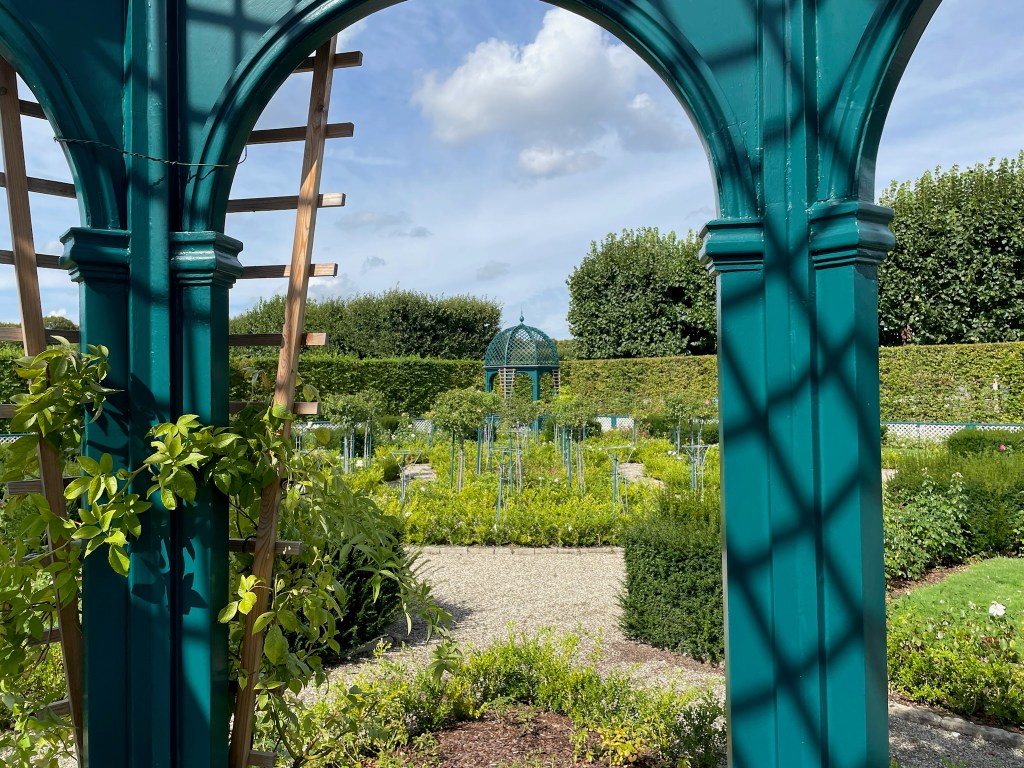
Like much of a Hannover, the Gardens suffered from bomb damage during the Second World War and various sections of the Gardens, such as the Great Garden, the Mausoleum, the Hill Garden, the Guelf Garden and the Palace were rebuilt during the intervening years. The Great Garden and the Hill Garden have belonged to the State since 1937 and the Guelf Garden is now in the grounds of the University of Hannover.
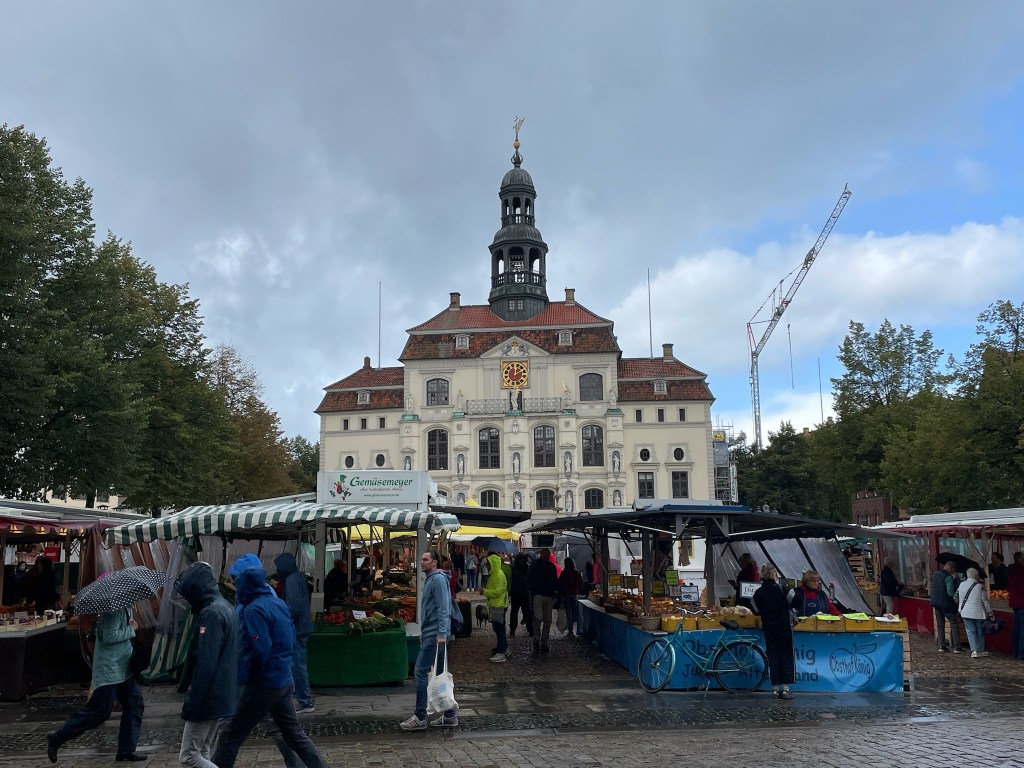
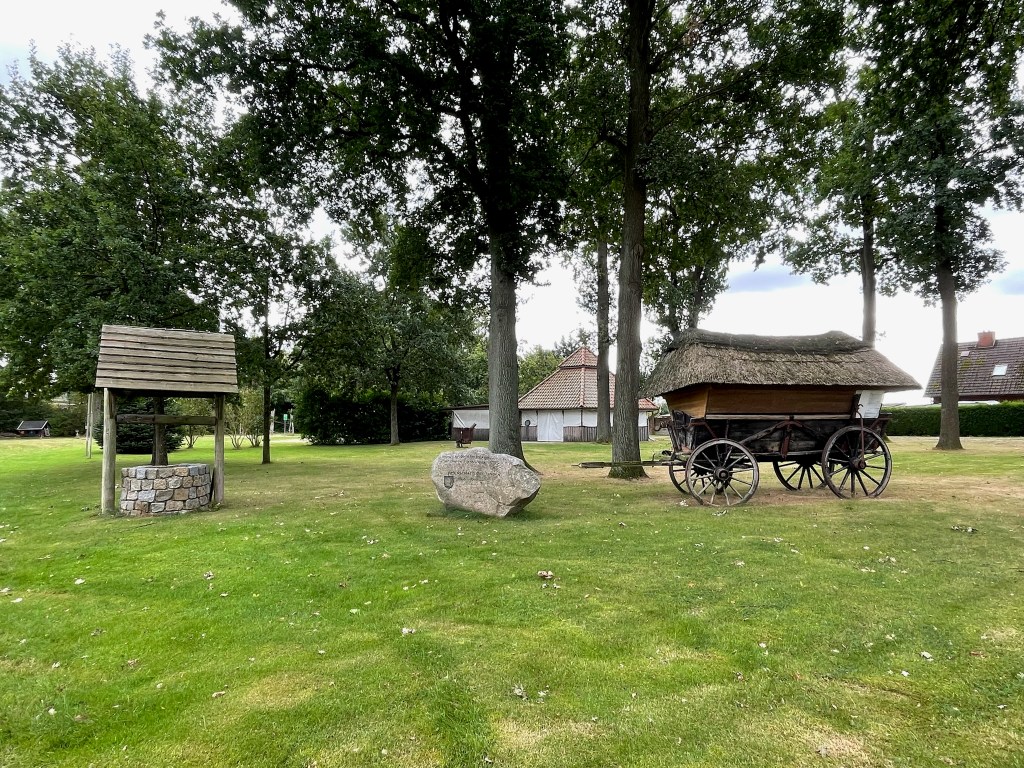
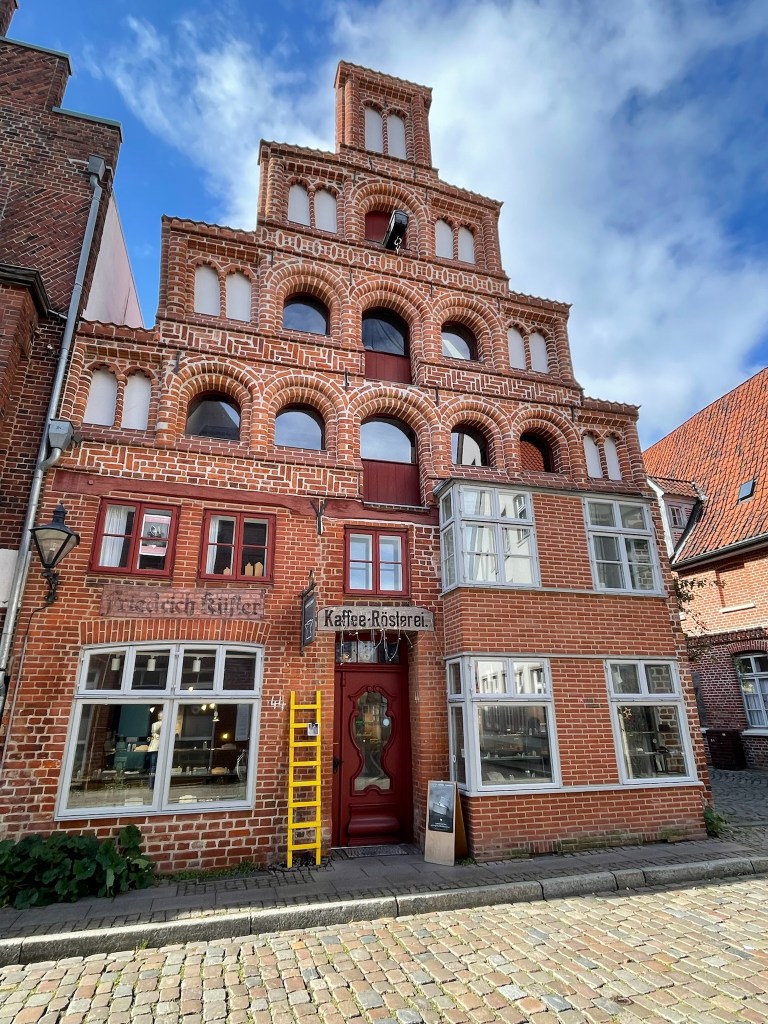
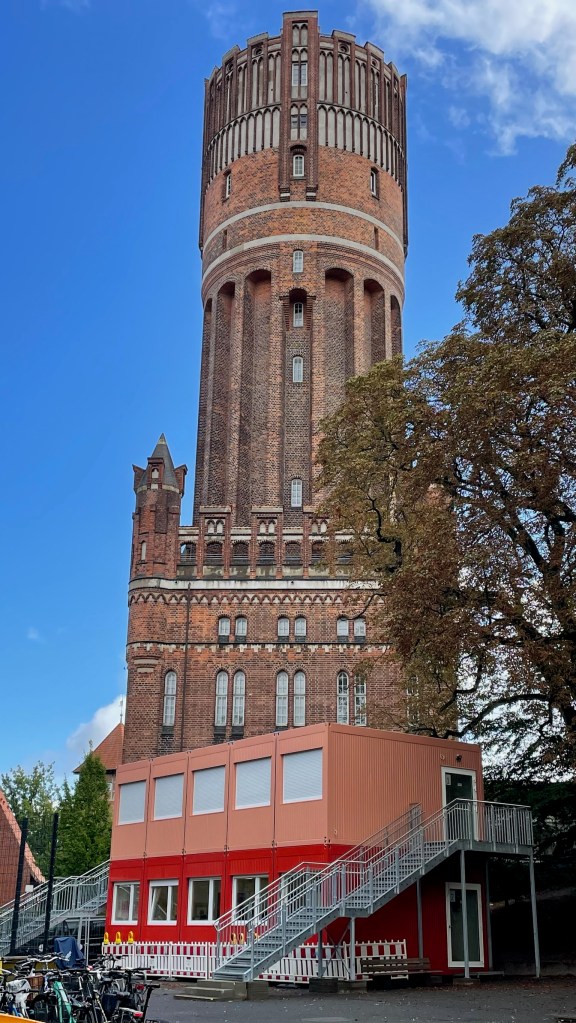
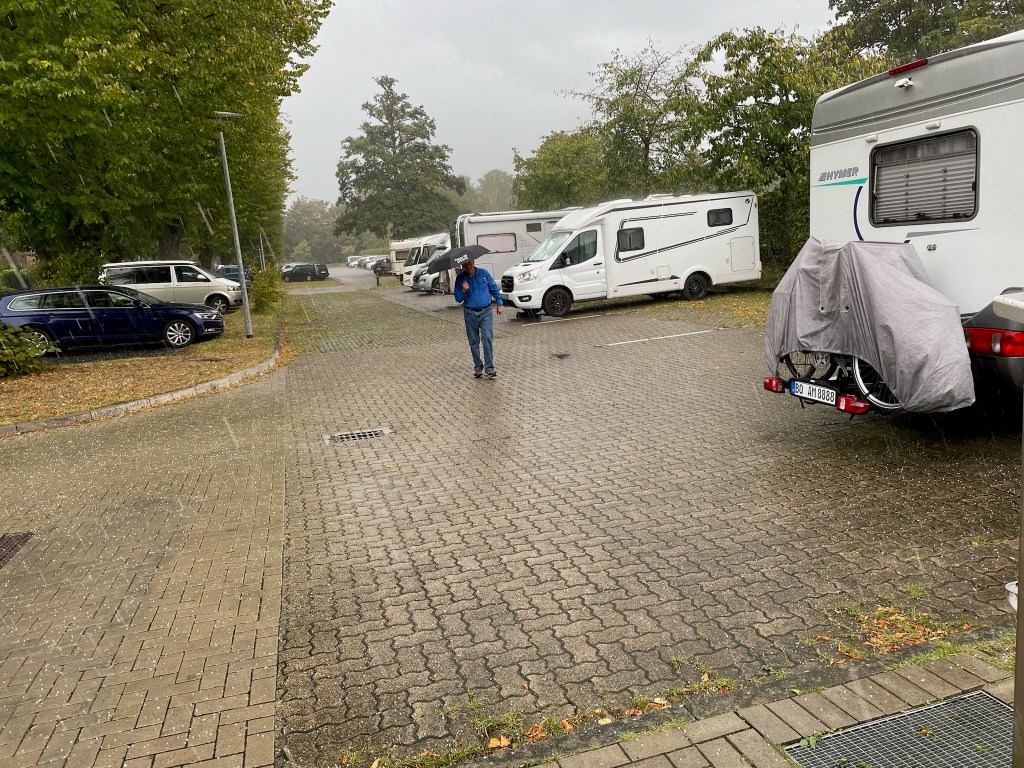
From Hannover, we headed northwards with hopes to explore a few different areas with the Lüneburg Heide. This area comprises of a number of different patches of Heathland, interspersed between farmlands and forests. Some of the towns that we visited, like Winsum, Lüneburg and Linden are very pretty but sadly due to a sudden change of weather, it lots of rain and REALLY cold nights, we didn’t get the chance to do as much exploring as we had hoped! Oh well, another place on the list for when (if) we return! But we did get to enjoy the local fresh food markets in Lüneburg.
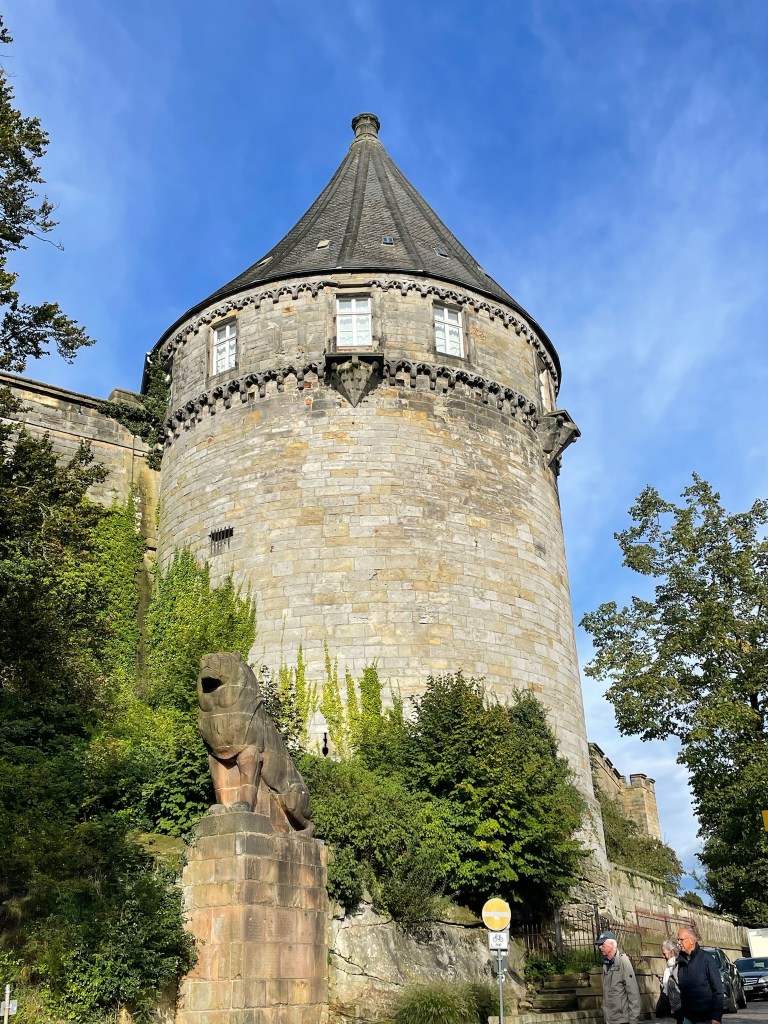
Our last stop of this leg of the journey was an overnight stop in a small German town called Bad Bentheim. We had stopped here before but managed to do a little bit of exploring – despite the hill in the middle of town! We discovered that this area used to be famous for its sandstone the first mentions of the sandstone date back to 1250 and was highly sought after for important civic buildings, churches and castles, such as the Royal Palace in Amsterdam. The pedestal of the Statue of Liberty in New York is made of Bentheim Sandstone!
Tomorrow, we will enter our 17th country for this trip – The Netherlands.
 Nick & MJ On The Road
Leave a comment